
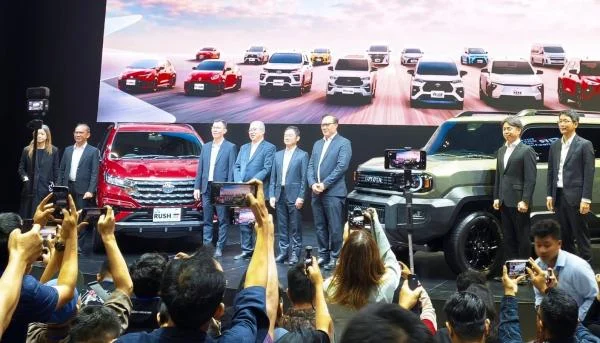
The Indonesian automotive industry marked a significant milestone in late 2026 as the Association of Indonesia Automotive Industries (Gaikindo) concluded its ambitious Gaikindo Auto Week (GAW) 2026, a massive exhibition effort that spanned ten cities across the Indonesian archipelago. This strategic maneuver, aimed at decentralizing automotive marketing and stimulating consumer demand during the critical fourth-quarter period, has been hailed by industry observers as a vital catalyst for the nation’s economic recovery and industrial growth. By transitioning from a centralized event model to a nationwide simultaneous format, Gaikindo has effectively bridged the gap between major automotive brands and consumers in emerging regional markets.
The closing ceremony, held at the Indonesia Convention Exhibition (ICE) in BSD City, Tangerang, on November 28, 2026, served as the focal point for assessing the success of this nationwide initiative. Anton Kumonty, the Chief Organizer of Exhibitions and Conferences for Gaikindo, emphasized that the decision to host the event across ten different urban centers was a calculated response to the evolving landscape of vehicle ownership in Indonesia. As the automotive sector faces challenges ranging from global supply chain shifts to fluctuating purchasing power, the ability to bring high-end automotive displays directly to regional consumer hubs has proven to be a decisive factor in maintaining sales momentum.
A New Paradigm for Automotive Marketing
For years, the Indonesian automotive exhibition scene was dominated by major events in Jakarta, such as the Gaikindo Indonesia International Auto Show (GIIAS). While these events are essential for global brand positioning, they often fail to capture the nuances of regional demand. The 2026 iteration of Gaikindo Auto Week sought to rectify this by integrating the show into the daily lives of citizens, utilizing major shopping malls and regional convention centers as primary venues.
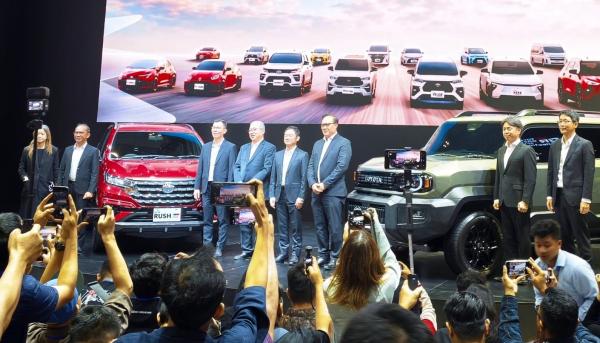
This strategy served a dual purpose: first, it lowered the barrier to entry for prospective car buyers who previously had to travel to major metropolitan hubs to view new models; and second, it allowed automotive manufacturers to collect granular data on regional consumer preferences. By hosting these events simultaneously, the industry was able to generate a collective national buzz, effectively creating a unified marketing front that transcended geographical boundaries.
Chronology of the 2026 Initiative
The planning for GAW 2026 began in early Q1 2026, following a series of consultations between Gaikindo and the Ministry of Industry (Kemenperin). Recognizing that the automotive sector is a pillar of Indonesia’s manufacturing output, the Ministry of Industry provided support to ensure that the exhibitions would serve as a platform for promoting not just imported vehicles, but also those produced domestically through the government’s Local Purchase Requirement (TKDN) schemes.
Throughout the middle of the year, Gaikindo finalized the logistics of transporting exhibition materials, demo units, and promotional staff to the ten selected cities. The choice of cities was based on a combination of existing automotive registration density and potential growth sectors, particularly in regions experiencing industrial expansion. By the time the event launched in November 2026, the synchronization was seamless, with local dealers and brand representatives ready to handle the expected surge in inquiries and test drives.
Economic Context and Industrial Impact
The automotive industry in Indonesia is a significant contributor to the national Gross Domestic Product (GDP). Historically, the end of the year is characterized by a "push" strategy, where manufacturers offer discounts, low-interest financing, and bonus packages to clear inventory before the start of a new calendar year. However, in 2026, this pressure was intensified by shifts in global energy policies and the transition toward electric vehicles (EVs).

According to recent data, Indonesia has been aggressively pushing for an EV ecosystem, and the GAW 2026 provided the perfect stage for the introduction of several affordable electric models. By placing these vehicles in front of regional audiences, the industry is not only boosting sales but also accelerating the public’s familiarity with new energy technologies. Industry analysts noted that the simultaneous nature of the event allowed for a more efficient allocation of marketing budgets, as the cost of individual regional activations was consolidated under a singular national umbrella.
Insights from Stakeholders and Industry Leaders
Anton Kumonty’s assessment of the event highlights the logistical prowess required to execute such a wide-scale endeavor. During his closing remarks in Tangerang, he noted that the positive reception from the public was unexpected in its intensity. "We saw that consumers in secondary cities are just as eager to adopt the latest automotive technologies as those in the capital," Kumonty remarked. "The response in the shopping malls where we held these exhibitions suggests that the ‘lifestyle’ approach to selling cars—integrating the showroom experience into retail environments—is a model that will define our future strategies."
From the perspective of the Ministry of Industry, the success of the 2026 GAW validates the current industrial roadmap. Government officials have long argued that for Indonesia to reach its target of becoming a global automotive hub, the domestic market must remain robust. By fostering local demand, the industry can maintain high capacity utilization in its manufacturing plants, which in turn supports thousands of jobs in the supply chain, from component manufacturing to automotive services.
Analyzing the Future Implications
The implications of the 2026 success are profound for the future of trade shows in Southeast Asia. Firstly, it signals a permanent shift away from the "Jakarta-centric" model of event management. Moving forward, stakeholders expect that major industry players will prioritize regional connectivity in their annual calendars. This decentralization is expected to increase competition among local dealerships, forcing them to improve their customer service standards and post-sales support to match the high expectations set during these national exhibitions.
Secondly, the event has highlighted the importance of data-driven retail. By monitoring the conversion rates at these ten locations, manufacturers can now better predict the regional demand for specific vehicle segments—such as the rising interest in compact SUVs and urban-friendly electric hatchbacks. This data will be instrumental in determining production quotas for 2027 and beyond.
Finally, the success of GAW 2026 may encourage the government to offer further tax incentives or infrastructure support for similar regional events. If the automotive industry can prove that these exhibitions effectively stimulate the economy during slow periods, it could lead to public-private partnerships that include the development of permanent automotive exhibition infrastructure in cities outside of Java.
Sustainability and the Path Forward
As the industry looks toward the next year, the lessons learned from the 2026 Gaikindo Auto Week will be essential. The logistical challenges—such as coordinating inventory across time zones and ensuring that sales targets were met in diverse regional markets—provided a roadmap for future optimization. Furthermore, the collaboration between Gaikindo and the government serves as a blueprint for other sectors, such as the electronics and furniture industries, which may look to replicate this "simultaneous national event" model.
The 2026 GAW was not merely a series of car shows; it was a testament to the resilience of the Indonesian automotive industry. By adapting to the needs of the consumer and the changing realities of the global market, Gaikindo has ensured that the industry remains a vital engine of growth. As the final tallies are computed and the industry prepares for the transition into 2027, the success of this initiative remains a focal point of discussion among economists, industry experts, and consumers alike, setting a high bar for future industrial exhibitions. The legacy of the 2026 event will likely be defined by its inclusivity and its role in bringing the latest in automotive innovation to the doorstep of the Indonesian people, regardless of where they reside.
