
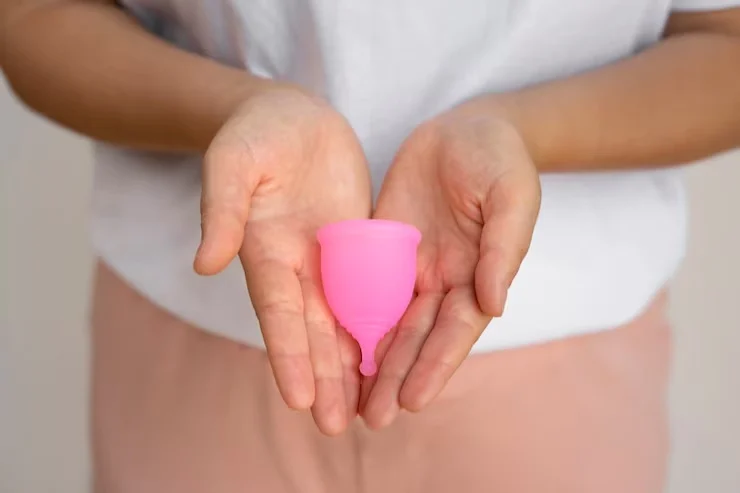
The intersection of reproductive health education and deeply rooted cultural myths often creates a barrier to the adoption of modern menstrual hygiene practices. Among the most persistent misconceptions is the belief that the use of internal menstrual products, such as tampons and menstrual cups, can lead to the loss of virginity. This narrative has long hindered women from exploring alternative, often more sustainable and comfortable, period management solutions. However, medical experts emphasize that these concerns are rooted in a fundamental misunderstanding of human anatomy and the social construct of virginity.
According to Dr. Fadhilah Akhdasari, Sp.OG, an Obstetrician and Gynecologist at RS Columbia Asia BSD, the confusion stems from the historical and social baggage attached to the term "virginity." In a recent appearance on the Okezone Morning Zone program, Dr. Fadhilah clarified that "virginity" is not a clinical or medical term. There is no biological test or physical examination that can definitively confirm an individual’s sexual history, despite widespread cultural beliefs that associate the integrity of the hymen with sexual abstinence.
Understanding the Hymen: Anatomy vs. Myth
To address the concerns surrounding tampons and menstrual cups, it is essential to first understand the anatomy of the hymen. The hymen is a thin, flexible piece of mucosal tissue that partially covers the opening of the vagina. Contrary to popular belief, it does not function as a "seal" that breaks upon first intercourse.
Anatomically, the hymen varies significantly from person to person. Some individuals are born with a very thin, delicate hymen, while others possess a thicker, more elastic, or more fibrous tissue. Furthermore, the shape and the size of the opening within the hymen are highly variable. Some people are even born with a very small hymen or, in rare cases, no visible hymen at all.
Because of this natural biological variation, the state of the hymen cannot be used as a reliable indicator of sexual activity. While it is true that the hymen can stretch or experience minor tears during sexual intercourse, it can also be affected by a wide range of non-sexual activities. These include, but are not limited to, rigorous physical exercise, gymnastics, cycling, horseback riding, or even the insertion of medical devices for gynecological examinations.
The Evolution of Menstrual Hygiene Products
The debate over internal menstrual products has intensified as these items have gained popularity globally. Tampons, which have been available in mass markets for decades, were historically the primary point of contention. More recently, the menstrual cup—a reusable, medical-grade silicone device—has emerged as an eco-friendly and cost-effective alternative.
When a person begins using a menstrual cup or tampon, they may feel a sensation of stretching. This is purely a result of the anatomy of the vaginal canal, which is designed to be elastic. For many first-time users, the initial insertion might feel uncomfortable or intimidating, but this is a matter of muscle tension and familiarity rather than the destruction of "virginity."
Medical professionals consistently reiterate that the vagina is a muscular canal. Its primary biological functions involve menstruation, childbirth, and sexual intercourse. It is naturally capable of accommodating objects of varying sizes, which renders the fear that a small, silicone menstrual cup could "damage" one’s reproductive status medically unfounded.
Historical Context and Cultural Implications
The social obsession with the hymen and its link to virginity is not a modern phenomenon. Historically, in many patriarchal societies, the "intact" hymen was used as a social currency to determine a woman’s value or purity. These cultural norms have persisted despite advancements in medical science that prove the hymen is not a "seal of virginity."
The persistence of these myths has tangible consequences for public health. When young women are taught that internal products are "dangerous" or will ruin their future, they are effectively denied access to products that could offer them greater hygiene, comfort, and environmental benefits. In many developing regions, the reliance on external pads, which are often less absorbent and more prone to leaking, can lead to increased discomfort and anxiety during the menstrual cycle. By perpetuating the idea that menstrual cups or tampons are synonymous with sexual activity, society inadvertently stigmatizes the pursuit of modern, efficient menstrual care.
Clinical Perspectives and Professional Guidance
Dr. Fadhilah Akhdasari highlights that the medical community’s role is to debunk these myths with clarity. "The term ‘virginity’ does not exist in medical terminology," she noted. "What we are looking at is the anatomy of the hymen, which varies from woman to woman. It is not an indicator of one’s past."
For those interested in switching to internal menstrual products, gynecologists generally recommend the following:
- Education and Familiarization: It is helpful for users to understand their own anatomy. Using a mirror to identify the vaginal opening can reduce the anxiety associated with the first attempt at insertion.
- Lubrication and Relaxation: For individuals who are nervous, using a water-based lubricant can facilitate the insertion of a menstrual cup or tampon, making the process significantly smoother.
- Gradual Introduction: For those who have never used internal products, starting with smaller-sized tampons or the smallest available size of a menstrual cup (often labeled as "Size 1" or "Small") can help the body adjust to the sensation.
- Consultation: If an individual experiences pain or consistent difficulty with insertion, it is advisable to consult with a healthcare provider to rule out anatomical variations, such as a micro-perforate hymen or vaginismus, rather than assuming it is a result of their sexual status.
Broader Impacts on Women’s Health
The impact of these myths extends beyond individual choices; it affects the broader discourse on women’s bodily autonomy. When medical misinformation is allowed to dictate hygiene practices, it undermines the trust between patients and the healthcare system.
Organizations such as the American College of Obstetricians and Gynecologists (ACOG) and various international reproductive health bodies have long advocated for the destigmatization of the hymen. They emphasize that comprehensive sexual and reproductive health education should include anatomy lessons that explicitly state the variability of the hymen and the reality that sexual activity cannot be verified through a physical exam.
As menstrual cup adoption grows—driven by the environmental movement and the desire for long-term savings—the need for accurate information becomes more urgent. A menstrual cup can hold significantly more fluid than a standard pad or tampon and can be worn for up to 12 hours, making it a game-changer for women in demanding professional or academic environments. Removing the fear associated with its use is a necessary step toward gender-equitable health standards.
Conclusion: Moving Toward Scientific Literacy
In conclusion, the assertion that tampons and menstrual cups compromise virginity is a myth without any scientific foundation. It is a social construct that has been mistakenly conflated with anatomical reality. The hymen is a flexible, diverse, and often misunderstood piece of tissue that does not function as a marker of sexual activity.
By shifting the conversation toward scientific literacy and encouraging open discussions with medical professionals, society can move past these outdated fears. Women should be empowered to choose the menstrual products that best suit their lifestyle, comfort, and health needs, free from the constraints of myths that have no place in modern medicine. The focus must remain on the health, hygiene, and well-being of the individual, rather than on the policing of their anatomy based on societal misconceptions. As medical experts like Dr. Fadhilah continue to emphasize, understanding the body is the first step toward true health autonomy.
