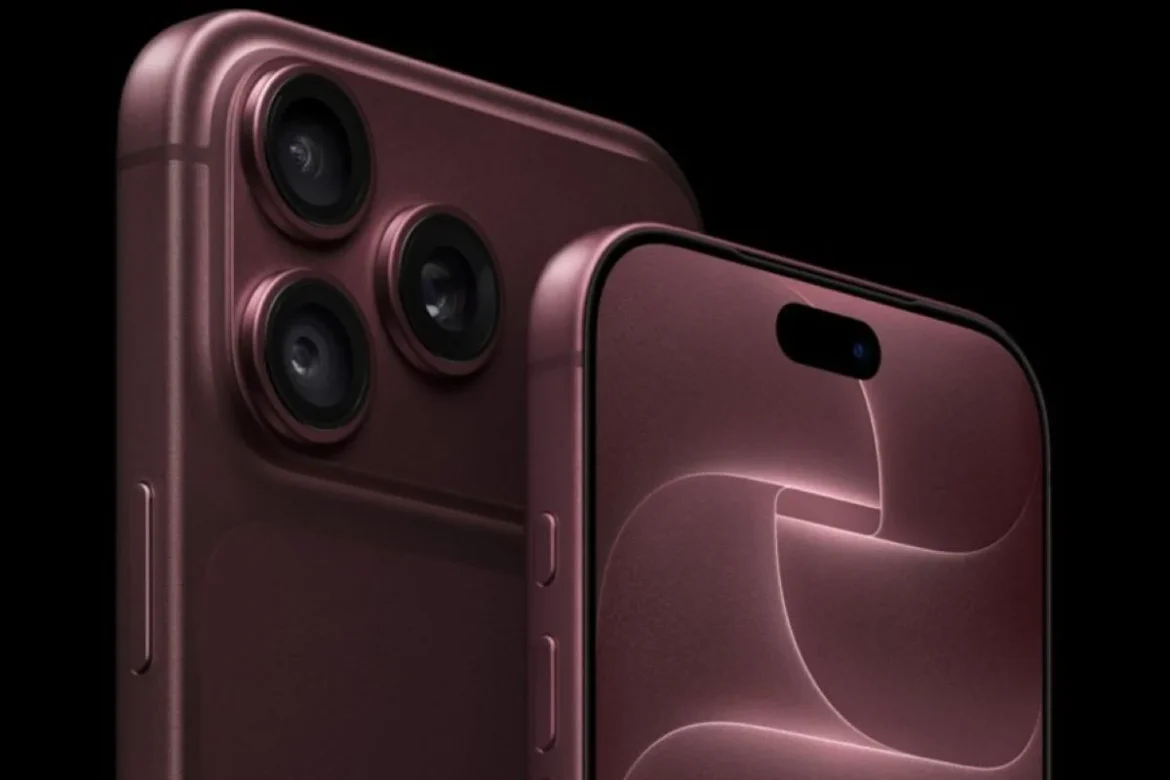
The persistent perception that Apple Inc.’s iPhone is an impenetrable fortress of digital security has long dominated public consciousness, driven by the tech giant’s rigorous system restrictions, closed-ecosystem architecture, and aggressive privacy marketing. Unlike the more fragmented Android ecosystem—where open-source flexibility often introduces vulnerability vectors—Apple exercises strict curation over application distribution and deep system access. This walled-garden approach has successfully fostered a widespread, yet fundamentally flawed, public belief that iPhones are entirely immune to interception, eavesdropping, and advanced cyber-espionage.
However, contemporary cybersecurity realities and empirical forensic evidence starkly contradict this assumption. While standard malware and generic adware struggle to breach iOS architecture, sophisticated state-sponsored spyware and zero-day exploits have repeatedly demonstrated the ability to penetrate Apple devices. The illusion of absolute digital invulnerability frequently lulls everyday consumers and high-profile individuals alike into a false sense of security, obscuring the nuanced threat landscape that defines modern mobile computing.
Understanding the Mechanics of iOS Vulnerabilities
To dissect how an iPhone can be compromised, one must first examine the inherent complexities of modern operating systems. No software code written by humans is entirely free of flaws. iOS, despite its robust sandboxing and memory corruption mitigations, remains susceptible to vulnerabilities. Cybercriminals and intelligence agencies regularly invest millions of dollars into discovering zero-day vulnerabilities—hitherto unknown flaws in software or hardware that developers have had no opportunity to patch.
When sophisticated actors uncover these architectural oversights, they can chain multiple exploits together to bypass system defenses completely. One of the primary vectors for such high-level intrusion is manipulation of native applications like iMessage. Historically, malicious actors have engineered weaponized image or text payloads that execute arbitrary code upon receipt by the target device, requiring zero user interaction—a phenomenon known as a zero-click attack. Once the initial foothold is established within the memory space of a privileged process, the malware can escalate privileges, silently disabling security logging mechanisms and establishing persistent remote access.
Beyond zero-day exploits, human engineering remains a potent tool for malicious operators. Phishing campaigns targeting Apple Accounts (formerly Apple IDs) continue to yield significant results for cybercriminals. By deploying meticulously crafted replica domains and fraudulent communications that mimic Apple’s official customer service alerts, attackers trick victims into surrendering multi-factor authentication codes and master credentials. Once an attacker gains control of an Apple Account, they unlock access to vast repositories of synchronized cloud data, ranging from iMessages and call logs to photos, location history, and sensitive keychain passwords stored within iCloud.
The Shadow of Pegasus and Global Espionage Case Studies
The most vivid illustration of iPhone vulnerability comes in the form of Pegasus, a mercenary spyware suite developed and maintained by the Israeli cyber-intelligence firm NSO Group. Designed ostensibly to assist governments in tracking high-value targets such as international terrorists and transnational criminal syndicates, Pegasus has repeatedly surfaced in investigative reports detailing its deployment against journalists, political dissidents, human rights defenders, and diplomats.
Once installed on a target iPhone, Pegasus operates with virtually unrestricted capabilities. It can surreptitiously harvest encrypted messaging app histories, record ambient audio via the internal microphone, capture real-time video through the device cameras, log keystrokes, and continuously ping GPS coordinates without raising any visual indicators on the screen. The stealth mechanisms embedded within the software allow it to erase its forensic footprints upon detecting system reboots or security analysis attempts.
The global gravity of this threat was further underscored by findings from Citizen Lab, a specialized digital watchdog based at the University of Toronto’s Munk School of Global Affairs and Public Policy. In September 2026, Citizen Lab published forensic confirmations detailing a targeted cyber-attack against an activist in Serbia. The victim’s iPhone was successfully compromised via a zero-click Pegasus exploit stream, confirming that even years after initial international revelations regarding NSO Group’s software, sophisticated state-aligned actors retain the capability to bypass modern iOS defenses without alerting the device owner.
Broader Implications for Corporate Ecosystems and National Security
The realization that iPhones can be compromised carries profound implications that extend far beyond individual privacy concerns, directly impacting corporate governance, executive communication, and international diplomacy. In contemporary boardrooms, chief executive officers, financial officers, and intellectual property architects routinely manage multi-billion-dollar corporate strategies through mobile devices. If an enterprise fleet of iOS devices is viewed as unconditionally secure, organizations may neglect implementing necessary endpoint detection and mobile device management (MDM) protocols.
From a geopolitical standpoint, government agencies and defense contractors increasingly rely on smartphones for secure internal coordination. The existence of zero-click mercenary spyware introduces catastrophic risks to national security architectures. When foreign intelligence agencies can harvest real-time intelligence from the personal or professional devices of cabinet ministers, military attachés, and legislative advisors, the traditional concepts of secure diplomatic communication undergo a severe paradigm shift. This has prompted intelligence communities worldwide to enforce stringent operational security guidelines, occasionally mandating the physical separation of high-ranking officials from standard consumer hardware during sensitive national security discussions.
Apple’s Response and Defensive Engineering Paradigms
In response to the escalating sophistication of mercenary spyware, Apple has continuously evolved its defensive engineering strategies. The Cupertino-based technology titan maintains a dedicated threat intelligence and investigations team tasked with identifying zero-day exploits in the wild, analyzing state-sponsored campaigns, and rapidly deploying emergency cryptographic patches to its global user base.
Apple’s legal posture has similarly grown aggressive. The company has previously filed high-profile lawsuits against surveillance vendors like NSO Group, alleging violations of federal and state anti-hacking laws, while concurrently notifying targeted users globally when state-sponsored attackers attempt to compromise their personal devices. Furthermore, Apple has expanded its bug bounty program, offering substantial financial rewards to independent security researchers who responsibly disclose critical iOS vulnerabilities before malicious actors can exploit them in secret.
Proactive Steps to Harden iPhone Security
While absolute security remains an unachievable ideal in the digital realm, individual users can dramatically reduce their risk profile by adopting disciplined security hygiene and fully leveraging Apple’s built-in mitigation tools. Cybersecurity experts recommend a multi-layered defensive posture based on the following operational protocols:
-
Prioritize Immediate System Updates: Maintaining an up-to-date operating system is the single most effective defense against known software vulnerabilities. Apple routinely patches critical security flaws within iOS updates; delaying installation extends the window of exposure to active exploits.
-
Implement Robust Authentication Measures: Enabling multi-factor authentication (MFA) on Apple Accounts ensures that even if credentials are compromised via targeted phishing attacks, unauthorized third parties cannot easily access cloud-synced data or authorize device restorations.
-
Audit Application Permissions Regularly: Users should routinely navigate through the device settings to review application access privileges. Restricting unnecessary access to sensitive hardware components—such as the camera, microphone, precise location services, and local network devices—limits the potential blast radius if a secondary application is compromised.
-
Utilize Safety Check for Interpersonal Threats: Introduced to assist individuals experiencing domestic abuse or targeted digital stalking, Apple’s Safety Check feature allows users to instantly review, revoke, and reset permissions granted to individuals or third-party applications, cutting off unauthorized sharing pathways.
-
Activate Lockdown Mode in High-Risk Scenarios: For journalists, activists, government officials, or business executives facing elevated risks of targeted digital surveillance, Apple provides Lockdown Mode. When enabled, this extreme security setting significantly hardens the device’s attack surface by restricting specific message attachments, disabling complex web browsing technologies, blocking incoming FaceTime calls from unknown numbers, and preventing wired accessories from communicating with the phone while locked.
Balancing Convenience and Vigilance in the Smartphone Era
The ongoing discourse surrounding iPhone security underscores a fundamental truth of the digital age: convenience and absolute security exist in a state of perpetual tension. While Apple’s closed ecosystem and stringent privacy frameworks provide a formidable barrier that deters standard cybercrime syndicates and low-level hackers, the existence of advanced, state-backed mercenary spyware proves that high-value targets remain viable subjects for sophisticated espionage.
For the average consumer, the risk profile associated with ultra-sophisticated spyware like Pegasus remains statistically low, as such tools are exceptionally costly and deployed selectively against specific high-profile individuals rather than indiscriminately distributed. Consequently, panic is unwarranted. Instead, users are advised to maintain a balanced perspective rooted in digital hygiene: keeping software consistently updated, exercising extreme skepticism toward unverified communications, protecting account credentials with multi-factor authentication, and responsibly utilizing Apple’s native security features to ensure maximum resilience against evolving cyber threats.