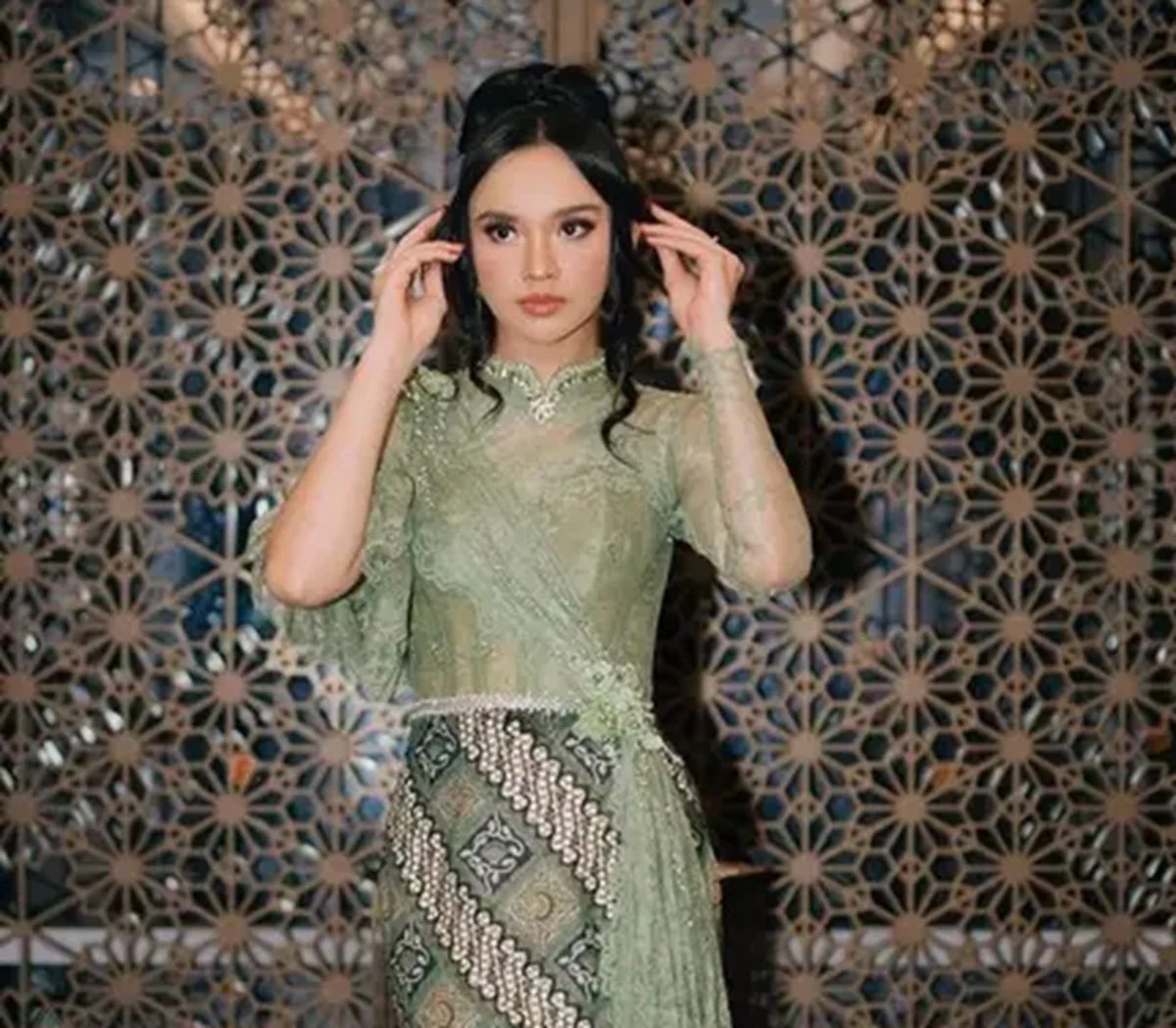
The enduring legacy of the kebaya, a quintessential Indonesian garment, is poised for a significant evolution in 2026. As the fashion landscape continuously shifts, designers are strategically blending traditional craftsmanship with contemporary aesthetics, ensuring the kebaya remains a relevant and cherished attire for a multitude of occasions. This upcoming year promises a nuanced approach, where the garment’s cultural significance is not only preserved but also amplified through modern silhouettes, refined color palettes, and intricate detailing. The kebaya, a symbol of Indonesian heritage, is set to reaffirm its status as a versatile and elegant choice for graduations, engagements, parties, and weddings, reflecting a growing appreciation for both cultural roots and modern sartorial sensibilities.
The Enduring Appeal of the Kebaya: A Historical Perspective
The kebaya’s journey is deeply interwoven with the fabric of Indonesian history and social customs. Originating from the Malay archipelago, its roots can be traced back centuries, with early forms documented as early as the 15th century. Initially, the kebaya was primarily worn by women of royal courts and aristocratic families, signifying status and refinement. Over time, its accessibility broadened, becoming a national dress for Indonesian women across various social strata. The distinct style, characterized by its flowing silhouette, often made from lightweight fabrics, and adorned with delicate embroidery or lace, has always been synonymous with grace and modesty.
The 20th century saw significant shifts in kebaya design, influenced by colonial encounters and the rise of national identity movements. Javanese kebaya, with its characteristic long, flowing lines and often made from fine cotton or silk, became particularly iconic. The Kartini kebaya, named after the pioneering Indonesian feminist Raden Ajeng Kartini, gained prominence for its more fitted bodice and distinctive collar, symbolizing female empowerment and intellectual pursuit. Each iteration throughout history has reflected the socio-cultural zeitgeist, making the kebaya not just a garment but a living testament to Indonesia’s evolving identity.

Projected Kebaya Trends for 2026: A Fusion of Classic and Contemporary
As 2026 approaches, fashion analysts and designers are forecasting a strong resurgence of the kebaya, reimagined for the modern woman. The emphasis will be on a sophisticated balance between heritage and innovation, ensuring that the garment retains its inherent elegance while embracing current fashion directives.
1. Minimalist Modernity: The Clean Lines of Contemporary Kebaya
The trend towards understated elegance is set to dominate the kebaya scene in 2026. Minimalist kebaya designs will champion clean, sharp lines and uncluttered aesthetics, eschewing excessive ornamentation for a more refined and luxurious appeal. This approach focuses on the quality of the fabric, the precision of the cut, and the subtle interplay of form. The silhouette will likely be streamlined, offering a contemporary take on traditional shapes.
This minimalist philosophy translates into a versatile garment that can be effortlessly paired with a variety of lower garments. Designers envision these kebaya styles complementing traditional batik skirts, rich songket fabrics, or even sleek satin skirts, allowing for a personalized expression of style. The inherent simplicity of these designs makes them ideal for a wide range of events, from formal ceremonies to more relaxed social gatherings, offering a sophisticated alternative to more elaborate traditional wear. The appeal lies in their ability to convey a sense of effortless chic and timeless sophistication, a testament to the power of less being more in high fashion.
2. The Soft Embrace of Pastel Brocade: A Palette of Serenity
The influence of soft, muted color palettes is expected to continue its reign in 2026, particularly within the realm of brocade kebaya. Shades such as dusty pink, sage green, ethereal lilac, gentle baby blue, and warm champagne are predicted to be highly sought after. These colors evoke a sense of tranquility, romance, and understated luxury, making them perfect for a variety of occasions.

Brocade, with its inherent textural richness and intricate woven patterns, provides a luxurious canvas for these pastel hues. The motifs on the brocade are expected to be delicate and subtle, enhancing the overall feminine and sophisticated aesthetic. This combination of soft colors and refined fabric creates a harmonious and visually appealing garment that exudes grace. These kebaya are particularly well-suited for daytime events, garden parties, or intimate evening gatherings, offering a romantic and elegant choice that flatters a wide range of skin tones. The gentle shimmer of brocade in pastel shades creates an almost ethereal quality, ensuring the wearer stands out with subtle charm.
3. The Resurgence of Grace: Kebaya Janggan’s Enduring Elegance
The Kebaya Janggan, a style characterized by its distinctive high neckline, is poised to reclaim its status as a prominent trend in 2026. This traditional silhouette, often referred to as the "mandarin collar" kebaya, has long been admired for its regal and sophisticated aura. The high collar lends an air of authority and elegance, making it a favored choice for formal occasions such as engagements, weddings, graduations, and formal receptions.
In its contemporary interpretation, the Kebaya Janggan is being revitalized through the use of premium materials like exquisite brocade, ethereal organza, and delicate lace. These modern fabrics are expertly combined with refined embroidery and subtle sequin embellishments, adding a touch of opulence without overwhelming the garment’s inherent structure. The result is a kebaya that offers a more tailored and structured silhouette, enhancing the wearer’s natural grace. This updated Janggan bridges the gap between classic tradition and contemporary fashion, offering a look that is both timeless and undeniably chic, appealing to a new generation seeking to honor their heritage with modern flair. The versatility of the Janggan allows it to be styled in numerous ways, from a more structured, formal look to a slightly softer, more flowing presentation depending on the fabric and embellishments.
4. Modern Twists on a Classic: The Reimagined Kebaya Kartini
The iconic Kebaya Kartini, named after one of Indonesia’s most revered national heroines, is set to experience a significant revival with a contemporary edge in 2026. The original Kartini kebaya, with its characteristic V-neckline and loose-fitting silhouette, symbolized a spirit of independence and intellectualism. The modern iteration retains these foundational elements while incorporating fresh design details that resonate with today’s fashion sensibilities.

Anticipated updates include the introduction of voluminous balloon sleeves, lending a touch of playful drama, and modernized collar designs that offer a more contemporary feel. Furthermore, the use of trending fabrics and contemporary prints will infuse the traditional kebaya with a renewed sense of vibrancy and style. This blend of classic heritage and modern design ensures that the Kebaya Kartini remains a relevant and cherished garment, appealing to those who wish to honor tradition while embracing current fashion trends. The integration of modern prints and innovative fabric choices allows for a personalized expression, making each Kebaya Kartini a unique statement piece.
The Economic and Cultural Implications of Evolving Kebaya Trends
The projected evolution of kebaya designs in 2026 carries significant economic and cultural implications for Indonesia. The sustained popularity and modernization of traditional attire like the kebaya directly contribute to the growth of the nation’s fashion industry. Local artisans, designers, and textile manufacturers stand to benefit from increased demand for high-quality fabrics, intricate embroidery, and innovative garment construction. This fosters job creation and preserves traditional craftmanship, ensuring that valuable cultural heritage is passed down through generations.
Furthermore, the global recognition and appreciation for Indonesian culture are amplified through fashion. As kebaya designs gain traction internationally, they serve as powerful ambassadors of Indonesian identity and artistry. This can translate into increased tourism and greater cultural exchange, fostering a deeper understanding and appreciation for Indonesia’s rich heritage on a global scale. The "soft power" of cultural export through fashion is a significant asset, promoting positive international relations and economic opportunities.
The Ministry of Tourism and Creative Economy has consistently highlighted the importance of fashion as a driver of economic growth and cultural promotion. Initiatives aimed at supporting local designers, promoting traditional textiles, and facilitating international market access for Indonesian fashion products are crucial in capitalizing on trends like the evolving kebaya. Reports from the Indonesian Textile Association (API) indicate a steady increase in the export of textile and garment products, with a growing demand for unique, culturally rich designs.

Expert Perspectives and Industry Outlook
Fashion critics and industry insiders are expressing optimism regarding the future of the kebaya. Ms. Anya Wijaya, a prominent Indonesian fashion historian and designer, commented, "The kebaya has always been a dynamic garment, capable of adapting to the times without losing its soul. The trends for 2026 are a beautiful testament to this adaptability. We are seeing a mature appreciation for our heritage, coupled with a desire for contemporary relevance. This is a winning combination for both cultural preservation and economic growth."
Mr. Budi Santoso, a representative from the Indonesian Fashion Chamber, echoed this sentiment, stating, "The focus on quality materials, refined craftsmanship, and thoughtful design is what will propel these kebaya trends forward. We are not just selling clothes; we are offering a piece of Indonesian heritage. The market is ready for elegant, culturally significant attire that also reflects modern sensibilities. This presents a significant opportunity for our designers and entrepreneurs."
The outlook for the kebaya in 2026 appears bright, promising a harmonious blend of tradition and modernity. As these trends unfold, they will not only redefine contemporary Indonesian fashion but also continue to celebrate and perpetuate a cherished cultural icon for generations to come. The ongoing dialogue between tradition and innovation ensures that the kebaya will remain a symbol of elegance, grace, and enduring Indonesian identity.