
JAKARTA — Reaching the age of 30 marks a biological turning point that many individuals overlook in their daily health routines. While society often associates aging and physical decline with visible signs like wrinkles or reduced stamina, one of the most critical structural transformations occurs deep within the skeletal system. Medical experts emphasize that around the third decade of human life, bone mass reaches its absolute peak. From that milestone onward, the natural aging process initiates a gradual, cumulative decline in bone density.
Understanding this physiological window is crucial for public health initiatives worldwide. Medical professionals are increasingly stressing that building robust, dense bones during youth and early adulthood serves as the primary defense mechanism against debilitating conditions later in life. Chief among these threats is osteoporosis, a systemic skeletal disease characterized by low bone mass and micro-architectural deterioration of bone tissue, which ultimately leads to heightened bone fragility and a drastically increased susceptibility to fractures.
The Crucial Peak: Understanding Skeletal Maturity
To comprehend why the threshold of 30 years old carries such profound medical significance, one must look closely at how bones develop throughout childhood, adolescence, and young adulthood. Bones are not static, lifeless structures; they are dynamic living tissues that constantly undergo a remodeling process involving bone resorption (breakdown) and bone formation (creation).
During the first two decades of life, the human body builds significantly more bone than it breaks down. This dynamic results in a steady accumulation of bone mass, culminating in what medical science defines as peak bone mass (PBM). Dr. Henry Suhendra, Sp.OT, Subsp.CO(K), an Orthopedic and Traumatology Surgeon specializing in Sports Injuries at Siloam Hospitals Mampang, elaborates on this continuous developmental timeline.
"It just keeps getting thicker and thicker, reaching its peak in the 30s, and after that, it all declines," Dr. Henry explained during an interview on the sidelines of the "Timeless Music, Timeless Movement" health advocacy event held at the Fountain Atrium Grand Indonesia in Jakarta.
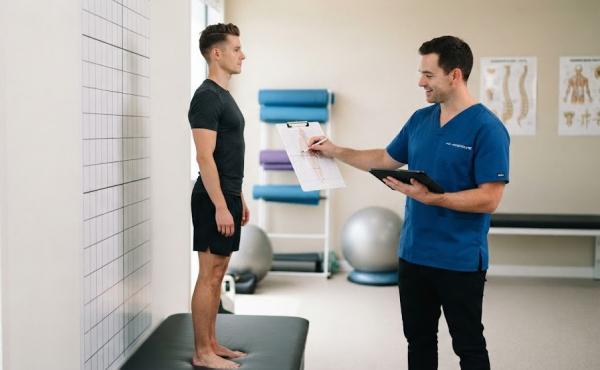
According to Dr. Henry, the magnitude of this peak serves as a biological savings account for the remainder of a person’s life. "If your peak is high, then when the decline happens as you reach 50 or 60 years old, your bone condition is still in good shape," he noted.
Conversely, individuals who fail to maximize their bone density accumulation during their formative years enter the natural decline phase with a deficit. When the inevitable age-related bone loss begins, they cross the clinical threshold into osteopenia or severe osteoporosis much earlier and with far more catastrophic physical consequences.
The Silent Epidemic: The Global and Regional Burden of Osteoporosis
Osteoporosis is frequently labeled a "silent disease" because bone loss occurs progressively and painlessly over many years. Patients often remain entirely unaware of their deteriorating skeletal health until they experience a sudden, unexpected fracture from a minor fall, or even from everyday movements such as bending over, coughing, or lifting light objects.
Globally, the socioeconomic and public health burdens associated with osteoporosis are staggering. The International Osteoporosis Foundation (IOF) estimates that worldwide, one in three women and one in five men aged 50 years and older will suffer an osteoporotic fracture in their remaining lifetime. These fractures most commonly occur in the hip, spine, and wrist. Hip fractures, in particular, carry severe implications, often resulting in chronic pain, long-term disability, loss of independence, and a notable surge in mortality rates within the first year following the injury.
In developing nations across Southeast Asia, including Indonesia, the demographic shift toward an aging population presents mounting healthcare challenges. As life expectancy rises, the absolute number of older adults susceptible to age-related musculoskeletal disorders increases proportionally. Public health officials point out that preventative strategies focused on youth and young adults are far more cost-effective and clinically successful than attempting to reverse advanced bone degradation in elderly patients.
The Mechanics of Prevention: Diet, Exercise, and Lifestyle Factors

Mitigating the risks of osteoporosis requires a multifaceted, lifelong approach centered on nutritional adequacy and mechanical loading of the skeleton. Medical guidelines consistently highlight three fundamental pillars for optimizing and preserving bone health: calcium intake, vitamin D status, and weight-bearing physical activity.
Calcium is the primary mineral structural component of bones, providing rigidity and strength. Adequate dietary intake of calcium—sourced from dairy products, leafy green vegetables, fortified foods, and specialized supplements when necessary—is essential throughout life, particularly during the active bone-building years up to age 30. However, calcium cannot be effectively absorbed by the gastrointestinal tract without sufficient levels of vitamin D. Often referred to as the sunshine vitamin, vitamin D plays a regulatory role in calcium homeostasis and bone mineralization. Safe sun exposure combined with a balanced diet rich in fatty fish, egg yolks, and fortified products ensures optimal vitamin D levels.
Equally important to biochemical factors is physical activity, specifically mechanical loading through exercise. Bones respond and adapt to the physical forces exerted upon them. When muscles pull against bones during resistance training or when the skeleton absorbs the impact of running, jumping, or brisk walking, specialized cells within the bone tissue—known as osteoblasts—are stimulated to synthesize new bone matrix.
Sedentary lifestyles, prevalent in modern urban populations dominated by desk jobs and digital entertainment, represent a major risk factor for suboptimal peak bone mass. Orthopedic specialists strongly advocate for the integration of structured exercise regimens early in life. High-impact sports, weightlifting, resistance training, and dynamic movements not only build muscular strength and cardiovascular endurance but also lay down dense, resilient structural scaffolding within the skeletal system.
Clinical Implications and Long-Term Health Outcomes
The implications of failing to prioritize bone health during the first three decades of life extend far beyond individual physical discomfort. Clinically, advanced osteoporosis manifests in physical deformities such as the development of a dowager’s hump (hyperkyphosis) and a noticeable reduction in overall height. These changes stem from micro-fractures and the eventual collapse of the vertebrae in the spine, which are unable to support the upper body’s weight.
Furthermore, the economic toll on healthcare systems is immense. Hospitalizations for fragility fractures, surgical interventions, physical rehabilitation, and long-term nursing care consume substantial national resources. Health economists emphasize that preventive campaigns targeting lifestyle modifications among teenagers and young adults can substantially curb future expenditures related to geriatric fractures.

Public Health Outreach and Future Directions
In response to these growing concerns, medical institutions, orthopedic associations, and public health agencies are ramping up educational campaigns. Events such as the "Timeless Music, Timeless Movement" initiative in Jakarta serve as platforms to bridge the gap between complex medical science and public awareness. By engaging the community in public spaces, medical professionals aim to dismantle the misconception that bone health is exclusively an elderly concern.
Experts recommend that individuals, particularly women—who face a significantly higher risk of osteoporosis post-menopause due to the sharp decline in estrogen levels—undergo regular health screenings, including Bone Mineral Density (BMD) tests using Dual-Energy X-ray Absorptiometry (DXA) scans, when indicated by their physicians. Evaluating baseline bone health allows clinicians to identify high-risk individuals early and implement targeted interventions before irreversible skeletal damage occurs.
Ultimately, the medical consensus remains clear: building a strong skeletal foundation is an investment that yields returns decades down the line. By recognizing the critical biological significance of the age-30 milestone, young adults have the power to shape their physical future, ensuring mobility, independence, and vitality well into their golden years.