The global combat sports landscape has experienced a massive surge in popularity regarding striking disciplines, with traditional martial arts carving out prominent spaces in international multi-sport events and professional leagues. Among these, Muay Thai—often hailed as the national sport and cultural heritage of Thailand—has transitioned from ancient battlefield combat systems into a globally recognized athletic discipline. Set to feature prominently at the upcoming SEA Games 2025, Muay Thai continues to captivate audiences and practitioners worldwide through its high-octane intensity, cultural richness, and distinct physiological demands. While casual observers frequently conflate Muay Thai with Western boxing due to the shared arena environment, gloved combat, and striking nature, the two disciplines are fundamentally distinct. Understanding the mechanics, historical evolution, and tactical differences between Muay Thai and boxing provides vital insight into why modern combat athletes and fitness enthusiasts increasingly gravitate toward these unique disciplines.
Anatomy of an Ancient Discipline: The Art of Eight Limbs
At its core, Muay Thai translates directly to "Thai boxing," derived from the ancient root word "Muay," meaning boxing. However, practitioners and combat sports analysts widely refer to the discipline as "The Art of Eight Limbs." This moniker stems from the utilization of eight distinct points of contact for striking and defense: the fists, elbows, knees, and shins. Unlike conventional boxing, which restricts offensive maneuvers strictly to closed-fist punches, Muay Thai opens a vast operational spectrum for practitioners.
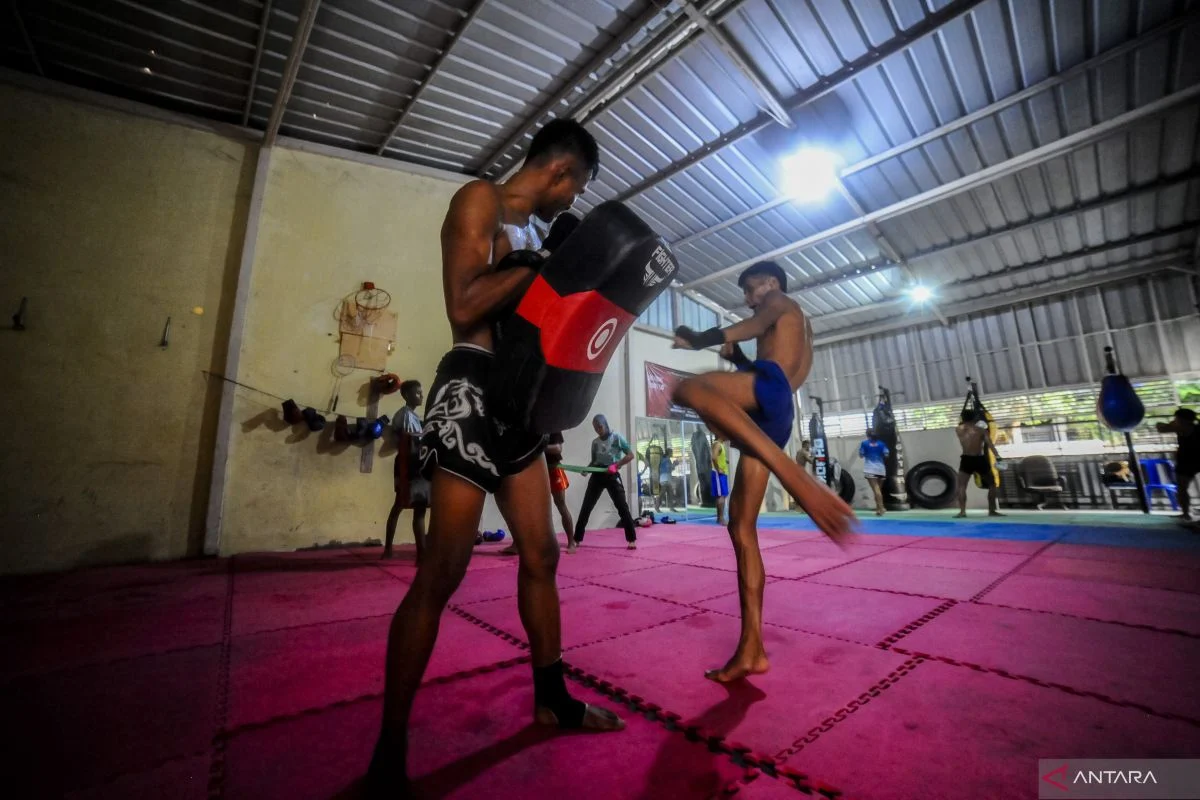
The inclusion of devastating knee strikes, lethal elbow blows, powerful roundhouse kicks, and the intricate art of the "clinch"—a standing grappling position used to control opponents for short-range strikes—creates a fast-paced, highly dynamic environment. The governing ruleset strictly mandates a standing combat format. Consequently, ground fighting, wrestling takedowns, and mat submissions are prohibited. Traditionally, martial arts historians note that each anatomical weapon in Muay Thai mirrors ancient weaponry: the hands function as swords, the shins and forearms act as armor, the elbows serve as heavy maces, the knees operate as spears, and the legs represent axes.
Historical Evolution: From Battlefield Survival to Global Prominence
The lineage of Muay Thai dates back to the 13th century, evolving organically as an essential unarmed combat system for Siamese soldiers. During periods of intense regional conflict, when infantrymen exhausted or lost their primary weapons on the battlefield, hand-to-hand combat systems ensured survival. Early iterations incorporated brutal, highly lethal techniques—such as targeted strikes to vulnerable joints and the back of the skull—which modern sporting regulations have since outlawed to protect athlete safety and longevity.
Over centuries, the practice transcended military necessity to weave itself into the fabric of Thai society, eventually becoming a favored pursuit of the royal court. Historical records indicate that King Phokhun Sri In Tharatit, the first monarch of the Sukhothai Kingdom, mandated that his royal heirs study Muay Thai to build physical fortitude, discipline, and leadership character.
The sport underwent a critical modernization phase during the 1930s. To enhance international viability and athlete safety, organizers adopted standardized boxing gloves, categorized weight classes, and implemented structured round limits akin to Western boxing. A monumental milestone occurred in 1993 with the establishment of the International Federation of Muaythai Associations (IFMA), which standardized international amateur competition and laid the groundwork for global recognition. Furthermore, legendary figures such as Nai Khanom Tom—a 16th-century Siamese warrior who reportedly defeated multiple opponents in succession while held captive by the Burmese—cemented the cultural mythology and indomitable spirit associated with the art. Today, high-profile promotions like ONE Championship hosting events at historic venues like Bangkok’s Lumpinee Stadium have successfully globalized the sport, driving unprecedented viewership and inspiring a new generation of athletes.
Comparative Analysis: Muay Thai Versus Conventional Boxing
While both sports unfold inside a squared ring and utilize protective hand wrapping and gloves, the structural, technical, and physiological differences between Muay Thai and traditional boxing are profound.
Number of Offensive Weapons
The most apparent divergence lies in the arsenal available to competitors. Boxing limits attacks exclusively to punches delivered with padded gloves, and referees swiftly intervene to separate fighters when they tie up or clinch. Conversely, Muay Thai leverages all eight limbs, permitting punches, elbows, knees, kicks, foot sweeps, and sustained standing clinches where fighters can unleash devastating knees and elbows until the referee formally commands a break.
Striking Mechanics and Power Generation
Boxing produces athletes with hyper-optimized, highly precise punching techniques. Practitioners dedicate years to perfecting footwork, hip rotation, and weight transfer to maximize punching velocity and accuracy. In contrast, Muay Thai incorporates boxing punches into its curriculum, but they are often executed differently. Because a Muay Thai fighter must remain perpetually prepared to check a sudden kick, absorb a knee, or transition seamlessly into an elbow strike, their upper-body mechanics are adapted to balance defensive readiness across all limbs.
Stance and Footwork Dynamics
Boxing stances typically feature a bladed, semi-profiled alignment with weight distributed lightly on the balls of the feet. This enables explosive lateral movement, rapid pivoting, and elusive head-slips. Muay Thai adopts a much squarer, more upright stance facing forward. This squared posture facilitates rapid execution of defensive checks against low kicks and allows for immediate offensive kicks. Consequently, a Muay Thai practitioner’s footwork tends to be more grounded and measured compared to the hyper-mobile footwork seen in elite boxing.
Rhythm, Tempo, and Head Movement
Boxing features fluid, high-frequency combinations (such as jabs, hooks, and crosses) interspersed with intricate head movement. Boxers can duck, slip, and weave freely because they face no threat of high kicks or flying knees. In Muay Thai, excessive head dipping or leaning is heavily discouraged, as dipping the head directly into the path of an oncoming knee or roundhouse kick can result in immediate knockout trauma. The rhythm of Muay Thai is often measured and tactical, characterized by probing kicks ("teep"), deliberate defensive blocks, and explosive bursts of multi-limb combinations.
Attire and Equipment
Professional boxers compete wearing specialized boxing shoes designed for traction, ankle support, and rapid canvas navigation. Muay Thai fighters compete entirely barefoot. Additionally, traditional practitioners wear sacred cultural adornments, such as the mongkon (headband) during pre-fight rituals and pra jiad (arm bands), symbolizing heritage, respect, and spiritual protection.
Implications for Practitioners and the Modern Sports Ecosystem
The expansion of Muay Thai into major international multi-sport platforms, highlighted by its inclusion in the SEA Games 2025, underscores its maturation from a regional martial art into a respected global athletic discipline. Sports scientists and conditioning coaches increasingly point out that choosing between Muay Thai and boxing depends entirely on individual fitness goals, protective thresholds, and competitive ambitions.
For individuals seeking comprehensive cardiovascular conditioning, enhanced core stability, and a multifaceted self-defense curriculum utilizing the entire body, Muay Thai offers an unparalleled physical challenge. Conversely, those prioritizing upper-body agility, precise punching accuracy, and classical footwork gravitate toward boxing. Both disciplines continue to serve as powerful catalysts for physical fitness, mental resilience, and character development, ensuring their enduring legacy within the modern global sports ecosystem.