Nestled in the heart of the Prambanan district within the Klaten Regency of Central Java, Desa Bugisan stands as a premier example of how rural communities can successfully leverage historical assets to drive sustainable tourism. Since its formal inauguration as a tourism village in 2016, the village has transformed from a quiet agricultural settlement into a nationally recognized destination, culminating in its prestigious inclusion among the 50 best tourist villages in the 2022 Anugerah Desa Wisata Indonesia (ADWI) awards. By integrating the architectural splendor of the Mataram-era temples with deep-rooted Javanese cultural traditions, Bugisan offers a compelling case study in cultural preservation and community-led economic development.
The Architectural Majesty of Candi Plaosan
The primary anchor for tourism in Bugisan is the iconic Candi Plaosan complex, often referred to as the "Twin Temples." Built during the reign of the Medang Kingdom (Mataram Kuno) in the 9th century, the site is historically significant for its unique architectural fusion. Unlike many other temple complexes in the region that are strictly Hindu or Buddhist, Candi Plaosan is widely regarded as a monument to religious pluralism.
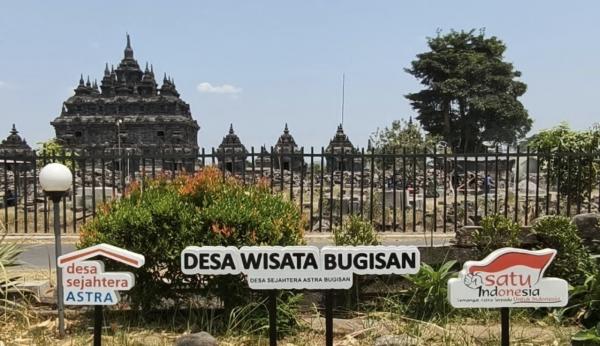
Historical accounts suggest that the temple was constructed by Rakai Pikatan of the Sanjaya Dynasty for his consort, Pramodawardhani of the Syailendra Dynasty. This union symbolized a strategic and spiritual alliance between the Hindu and Buddhist communities of the era. The structure features the elegant, slender towers characteristic of Hindu architecture, while the interior reliefs and iconography reflect Buddhist teachings. For the modern visitor, the site serves as more than just a historical ruin; it acts as a tangible reminder of the historical tolerance and societal harmony that has defined the Javanese landscape for over a millennium.
A Chronology of Development: From Agriculture to Tourism
The evolution of Desa Bugisan into a tourism powerhouse was not an overnight success but the result of a deliberate, decade-long strategy initiated by local stakeholders.
- 2016: The Turning Point. The village government and local community leaders formally declared Bugisan a tourism village. This period saw the launch of the Festival Candi Kembar (FCK), a strategic event designed to promote local arts and heritage.
- 2018–2020: Infrastructure and Capacity Building. Recognizing that historical assets alone were insufficient, the village began investing in human resources. Locals were trained in hospitality, tour guiding, and the development of creative workshop modules.
- 2022: National Recognition. The village’s efforts were validated when the Ministry of Tourism and Creative Economy named Bugisan one of the top 50 villages in the ADWI, a national competition that benchmarks the quality of rural tourism based on institutional governance, digital presence, and environmental sustainability.
- 2023–Present: Diversification. The village shifted its focus toward experiential tourism, moving beyond sight-seeing to offer immersive programs that involve visitors in the daily life of the Javanese agrarian community.
The Festival Candi Kembar: Preserving Intangible Heritage
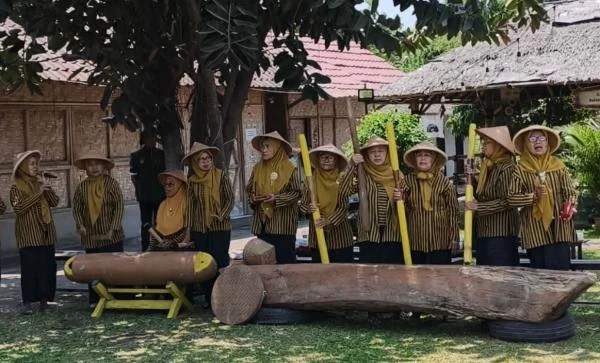
The Festival Candi Kembar (FCK) is perhaps the most significant cultural event in the village calendar. Since its inception in 2016, the festival has served as an annual platform for local artists to perform traditional arts that might otherwise fade into obscurity.

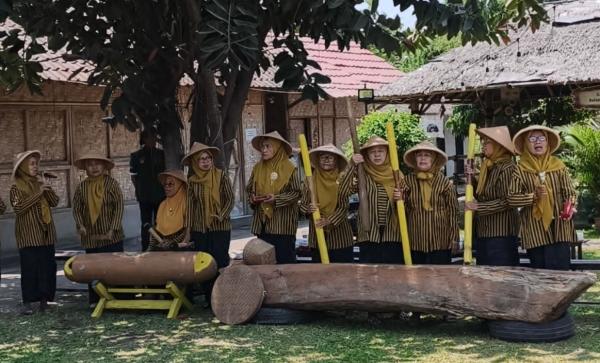
The festival typically features a curated lineup of performances, including gejok lesung—a rhythmic musical performance using traditional rice-pounding tools—jathilan (horse trance dance), and karawitan (gamelan ensembles). By hosting these events within the shadow of the ancient temple complex, the village creates a symbiotic relationship between the historical setting and the living traditions of the people. This cultural programming is not merely for entertainment; it is an active effort to ensure that the younger generation of Bugisan remains connected to their ancestral heritage, thereby fostering a sense of community identity that is essential for long-term rural stability.
Immersive Experiential Tourism: Engaging the Modern Traveler
Modern travel trends have shifted toward "slow travel" and meaningful experiences, and Desa Bugisan has capitalized on this demand through its diverse range of workshop offerings. Recognizing that the modern tourist seeks to understand the "how" and "why" behind local products, the village has developed several signature experiences:
- Ecoprint and Traditional Crafts: Visitors are invited to engage in sustainable handicraft workshops, such as creating ecoprint textiles using leaves and natural dyes found in the surrounding landscape.
- Artistic Expression: Workshops on mask painting and wayang (shadow puppet) creation provide a tactile connection to Javanese mythology.
- Culinary Heritage: The jamu (traditional herbal medicine) blending classes are particularly popular, as they educate visitors on the medicinal properties of Javanese spices like turmeric, ginger, and galangal.
- Agricultural Immersion: As the village remains a functional agricultural hub, visitors are encouraged to learn about traditional rice cultivation, offering a stark contrast to the rapid urbanization seen in neighboring districts.
Logistics and the "Village Pulse"
To move beyond the confines of a static tour, the village offers a variety of traditional transportation methods that allow visitors to traverse the landscape at a pace that encourages observation. The use of bicycles, andong (horse-drawn carriages), and even traditional ox-drawn carts provides a unique perspective of the paddy fields and local neighborhoods. This approach not only provides employment for local transport operators but also minimizes the carbon footprint of tourism activities within the village boundaries.

Socio-Economic Implications and Future Outlook
The rise of Desa Bugisan as a tourist destination has had profound implications for the local economy. According to local economic indicators, the transition to tourism has created a diversified income stream for households that previously relied exclusively on subsistence farming. By distributing the economic benefits of tourism—through homestays, guiding services, and artisanal sales—the village has effectively mitigated the risks associated with volatile agricultural markets.
Furthermore, the integration of tourism has acted as a catalyst for environmental preservation. The need to maintain an "asri" (beautiful and serene) environment for visitors has encouraged the community to invest in waste management and landscape conservation. This holistic approach ensures that the village remains an attractive destination while maintaining the quality of life for its residents.
However, the continued success of the village faces challenges, particularly in the realm of digital literacy and marketing. As noted by experts in rural development, the transition from a local destination to a nationally competitive one requires consistent digital presence and high-quality infrastructure. The ongoing support from the Ministry of Tourism and Creative Economy, as well as the active engagement of the local youth in social media promotion, will be critical in sustaining the momentum achieved over the past eight years.
Conclusion: A Model for Sustainable Development
Desa Bugisan serves as a testament to the power of community-driven development. By refusing to treat its historical sites as isolated artifacts, the village has successfully woven its ancient past into a vibrant, modern tapestry of tourism. The "twin pillars" of its success—the preservation of the Candi Plaosan legacy and the promotion of living cultural traditions—create a unique destination that offers both intellectual stimulation and cultural enrichment.
As Indonesia continues to prioritize rural development through the tourism sector, the model pioneered by Desa Bugisan offers valuable insights for other regions. It demonstrates that with the right combination of community cohesion, creative curation of assets, and a commitment to authenticity, a small village can achieve significant national impact, ensuring that the legacy of the Mataram era continues to inspire future generations while simultaneously providing for the economic prosperity of the present.