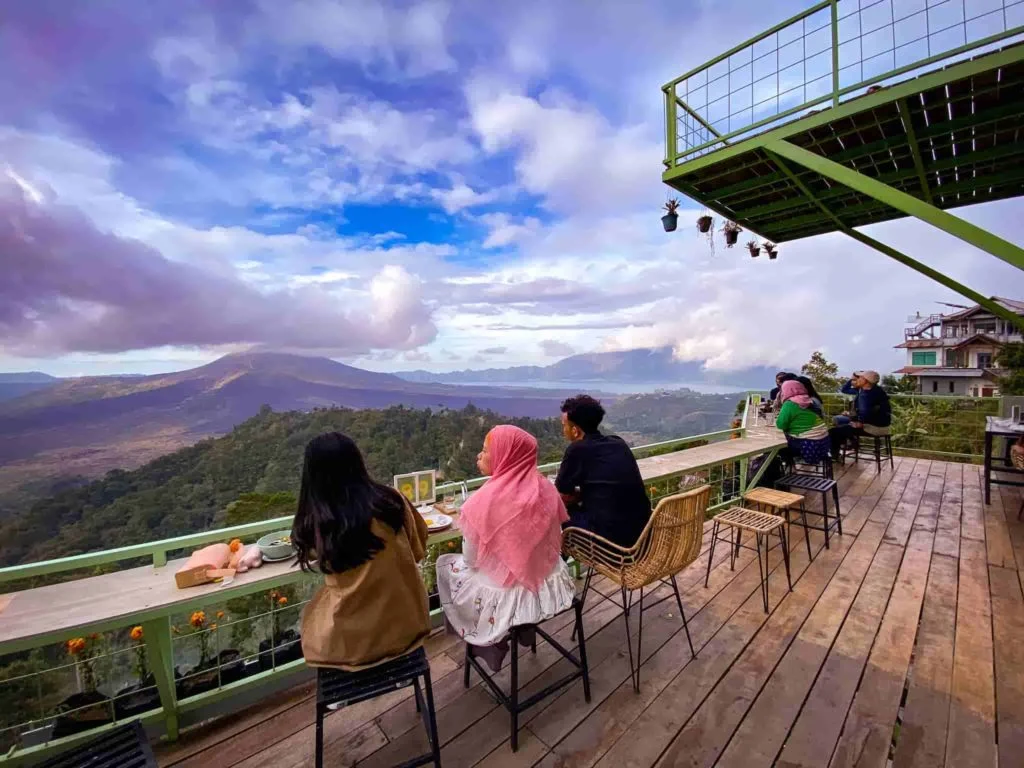
The global tourism and travel sector has undergone a profound transformation over the past decade, shifting away from purely corporate-driven monoliths toward experiential, personalized, and niche-focused services. For individuals whose passion lies in exploring new destinations, the modern economic landscape presents a unique convergence of lifestyle and livelihood. Turning a personal love for traveling into a viable commercial enterprise is no longer an elusive dream, but a structured pursuit made possible by digital connectivity, shifting consumer behaviors, and an increasing global demand for authentic travel experiences. According to recent market reports by organizations such as the World Travel & Tourism Council (WTTC), the industry’s post-pandemic recovery has been characterized by a sharp rise in independent travel, bespoke itineraries, and localized tourism services. This environment offers fertile ground for aspiring entrepreneurs who possess insider knowledge of destinations and a genuine enthusiasm for exploration.
Building a business in the travel sector requires aligning individual expertise with market demand. Whether launched as a side hustle to supplement full-time income or scaled into a primary revenue-generating enterprise, travel-related ventures capitalize on the emotional and psychological value consumers place on leisure and discovery. Industry analysts note that modern travelers increasingly prioritize memorable experiences over standard luxury, creating lucrative openings for small-to-medium enterprises (SMEs) that offer specialized services. To capture this market, entrepreneurs must evaluate operational models that minimize overhead costs while maximizing value delivery. Below is a comprehensive examination of four prominent business models within the travel industry, designed to help enthusiasts transition from casual globetrotters to successful business owners.
Vehicle Rental Services: Capitalizing on the Rise of Independent Road Trips
One of the most accessible and high-potential business models in the travel and tourism ecosystem is vehicle rental provision. With the continuous expansion of domestic tourism and the growing preference for flexible, independent itineraries, travelers frequently seek reliable transportation options upon arrival at their destinations. Rather than relying solely on rigid public transit schedules or expensive corporate car rental agencies, modern tourists often favor localized, responsive rental services that offer cars, SUVs, or motorcycles.

For entrepreneurs who already own a private vehicle—whether a car or a motorbike—initiating a rental service requires relatively modest startup capital. By leveraging peer-to-peer sharing platforms or establishing a localized brand presence through social media and word-of-mouth, vehicle owners can generate consistent passive income during periods when their vehicles are not in personal use. Furthermore, for individuals who do not possess a fleet of vehicles, acting as a regional broker or partner agency presents a viable alternative. By collaborating with established central rental hubs, local entrepreneurs can function as booking agents, coordinating vehicle drop-offs and pick-ups for tourists while earning lucrative commissions on every transaction.
Market analysis indicates that competition in residential or suburban areas outside major transport hubs is often remarkably low, allowing new entrants to capture a loyal local client base. Success in this sector hinges on maintaining impeccable vehicle safety standards, transparent pricing structures, and responsive customer service. As regional tourism initiatives continue to promote off-the-beaten-path destinations not directly served by major commercial transit, the demand for localized vehicle rentals is projected to maintain a steady upward trajectory.
Curated Tour Packages and Niche Itinerary Planning
For travel enthusiasts who possess an extensive working knowledge of regional geography, hidden gems, and cultural hotspots, developing a curated tour package business offers an exceptional avenue for commercial success. Unlike traditional, mass-market travel agencies that push standardized, cookie-cutter itineraries, contemporary boutique tour operators thrive by offering hyper-personalized experiences, private trips, and themed excursions tailored to specific demographics.
The foundation of this business model lies in deep destination research and trend forecasting. Entrepreneurs must identify emerging tourist spots—particularly locations gaining traction among younger demographics through digital platforms—and assess their infrastructural readiness. A viable tour package must meticulously balance aesthetic appeal, recreational value, and logistical feasibility. This includes securing reliable partnerships with local lodging providers, dining establishments, and activity coordinators to ensure seamless execution.

Industry experts emphasize that private and small-group trips have largely eclipsed massive bus tours in popularity, driven by consumer desires for safety, exclusivity, and authentic cultural immersion. Entrepreneurs operating in this space act as curators of experience, translating their personal travel insights into structured, bookable commodities. By focusing on niche markets—such as eco-tourism, culinary trails, adventure sports, or historical deep-dives—operators can command higher profit margins while delivering superior customer satisfaction.
Professional Tour Guiding: Monetizing Cultural and Geographical Expertise
Human connection remains at the heart of memorable travel experiences. Becoming a professional tour guide is one of the most direct ways to monetize a passion for travel without requiring substantial initial financial investment. While the role traditionally brings to mind large tour groups following an umbrella-wielding leader through a museum, the modern tour guiding landscape has evolved to encompass specialized local experts, adventure leaders, and cultural ambassadors.
A critical asset for modern tour guides is linguistic versatility. Proficiency in foreign languages significantly broadens an operator’s market reach, enabling them to cater not only to domestic travelers but also to the lucrative segment of international tourists visiting the region. International visitors frequently encounter cultural and linguistic barriers that hinder their ability to fully appreciate a destination, creating a high demand for knowledgeable, articulate guides who can bridge the communication gap while providing rich historical and social context.
To formalize operations and build credibility, aspiring guides often pursue official certifications or specialized training programs offered by regional tourism boards. Certification not only enhances professional standing but also grants access to exclusive historical sites and protected natural reserves that require licensed supervision. Economic evaluations of the guided tourism sector reveal that personalized, private guiding services command premium hourly or daily rates, making it an exceptionally rewarding career path for individuals with strong interpersonal skills and comprehensive local knowledge.

Strategic Integration and Economic Implications for Travel Entrepreneurs
The decision to enter the travel and tourism market involves careful balancing of operational risks, capital allocation, and market timing. While the allure of combining work with leisure is undeniable, sustainable business growth demands rigorous planning, financial discipline, and adaptability. Entrepreneurs must navigate regulatory requirements, business licensing, liability insurance, and the inherent seasonality of the tourism industry.
Economic resilience in the travel sector often depends on diversification. Many successful travel entrepreneurs combine multiple business models—such as pairing a vehicle rental service with curated tour packages or offering guiding services alongside customized itinerary design. This multi-faceted approach helps mitigate revenue fluctuations caused by seasonal dips or unexpected global events that impact travel behavior.
Furthermore, the integration of digital tools has fundamentally altered how travel businesses operate and market themselves. Establishing a robust online presence through search engine optimization (SEO), engaging social media content, and responsive booking platforms is no longer optional; it is a core operational requirement. Consumers increasingly rely on digital reviews, visual storytelling, and seamless online transaction capabilities when selecting travel service providers. Entrepreneurs who successfully harness digital marketing while maintaining high standards of personalized, on-the-ground service are best positioned to capture long-term market share.
Ultimately, the transformation of a travel hobby into a commercial enterprise represents a rewarding convergence of personal fulfillment and economic opportunity. By identifying underserved market niches—whether through innovative vehicle rental solutions, meticulously curated tour packages, or expert guiding services—modern entrepreneurs can build sustainable enterprises that celebrate the joy of exploration while contributing to the vibrant growth of the global tourism economy.