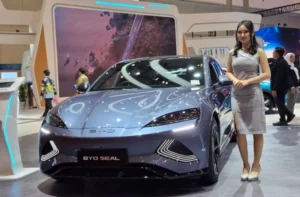
The automotive landscape in Indonesia is undergoing a significant structural transformation as the government aggressively pushes for the electrification of the transport sector. However, industry leaders emphasize that the transition from Internal Combustion Engine (ICE) vehicles to Battery Electric Vehicles (BEVs) is a protracted process rather than an overnight shift. Despite the technological pivot, the demand for automotive components is expected to remain robust, anchored by the continued relevance of ICE and the emergence of hybrid technologies.
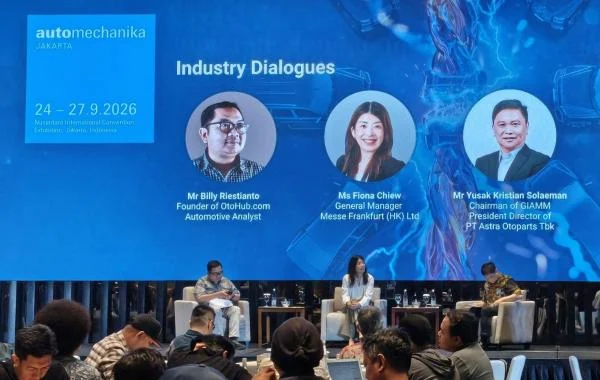
This perspective was highlighted during the Industry Dialogues held in Jakarta on Friday, September 18, 2026, ahead of the highly anticipated Automechanika 2026 exhibition. Yusak Kristian Solaeman, Chairman of the Indonesian Automotive Parts and Components Industries Association (GIIAM) and President Director of PT Astra Otoparts Tbk, underscored that the fears regarding the obsolescence of traditional manufacturing components are largely overstated in the context of the Indonesian market.
The Myth of Immediate Obsolescence
A common misconception in the global automotive sector is that the rise of electric mobility will lead to an immediate collapse in demand for traditional engine and powertrain components. While it is true that a BEV requires significantly fewer moving parts—such as pistons, fuel injectors, and transmission systems—compared to a conventional vehicle, the reality of the Indonesian market suggests a more nuanced trajectory.
Yusak noted that the adoption rate of electric vehicles is heavily influenced by regional infrastructure readiness. While Jakarta and major metropolitan areas are seeing increased EV penetration due to government incentives and expanding charging station networks, secondary cities and rural regions continue to rely heavily on traditional combustion engines. For these areas, the affordability and reliability of ICE vehicles remain unmatched, ensuring a prolonged market lifespan for legacy automotive technologies.
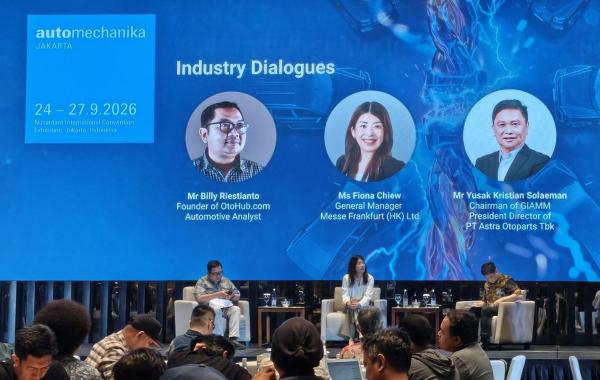
"This penetration will naturally face limitations; it is impossible for electric vehicles to replace the entire ICE ecosystem in such a short timeframe," Yusak explained during the dialogue. He added that the coexistence of these technologies is not merely a temporary phase but a fundamental characteristic of the Indonesian automotive roadmap for the coming decade.
The Role of Hybrid Technology as a Bridge
A critical factor in the resilience of the component industry is the prominence of hybrid electric vehicles (HEVs) and plug-in hybrid electric vehicles (PHEVs). These vehicles serve as a crucial bridge for consumers who are not yet prepared to transition fully to battery-only power due to range anxiety or high entry costs.
For component manufacturers, hybrid platforms represent a "best of both worlds" scenario. Because these vehicles retain a combustion engine, they continue to require a wide array of specialized parts—ranging from cooling systems and lubrication components to sophisticated mechanical linkages—that are standard in traditional automotive engineering.
"Several components will remain resilient because they are essential for both internal combustion engines and electric vehicles, especially when we consider hybrid or plug-in hybrid architectures," Yusak stated. This indicates that the supply chain for automotive parts is not necessarily shrinking; rather, it is evolving to support a multi-powertrain environment.
Chronology of Indonesia’s EV Transition
To understand the current market sentiment, one must look at the timeline of Indonesia’s push toward electrification:

- 2019: The Indonesian government issued Presidential Regulation No. 55 of 2019, which officially initiated the Battery-Based Electric Motor Vehicle program, providing a legal framework for EV development.
- 2020–2022: Initial incentives were introduced, focusing on tax breaks for luxury goods and import duties to stimulate early adoption and attract investment from major global manufacturers.
- 2023–2024: The government ramped up support with direct subsidies for the purchase of electric motorcycles and EVs, alongside the expansion of public charging infrastructure in Java and Bali.
- 2025: A period marked by increased localization efforts, as the government mandated higher "local content requirements" (TKDN) for vehicles to qualify for incentives.
- 2026: The focus shifted toward sustainable industrial integration, with events like Automechanika 2026 emphasizing the need for traditional component manufacturers to adapt their manufacturing processes to suit the new electric requirements without abandoning their legacy expertise.
Economic Implications and Industry Adaptation
The Indonesian automotive sector is a pillar of the national economy, contributing significantly to GDP and providing hundreds of thousands of jobs. The transition to electric vehicles poses both a challenge and an opportunity for the thousands of small and medium-sized enterprises (SMEs) that make up the tier-two and tier-three automotive supply chains.
The primary concern for these businesses is the capital expenditure required to retool their factories for EV-specific parts. However, the expert consensus suggests that this is not a binary choice. Many manufacturers are finding success by diversifying their production lines. By continuing to supply parts for ICE and hybrid vehicles, they maintain the cash flow necessary to gradually invest in the research and development required for the electric future.
Furthermore, the Indonesian market’s preference for multi-purpose vehicles (MPVs) and SUVs, which often require robust mechanical components, suggests that even as EVs become more common, the engineering requirements for these vehicles will remain complex, keeping demand for high-quality, locally produced components high.
Data-Driven Market Outlook
Industry analysts estimate that while the share of EV sales will continue to grow at a compound annual growth rate (CAGR) of roughly 15-20% through 2030, the absolute volume of ICE vehicles on the road will remain the dominant force for the next 15 years.
This data provides a sense of security for the domestic manufacturing sector. The focus for companies like PT Astra Otoparts and other members of GIIAM is now on "technological agility"—the ability to manufacture components that are modular enough to fit various powertrain configurations. This strategy mitigates the risk of total loss in market share while allowing firms to capture value from the growing electric segment.

Strategic Roadmap for Manufacturers
Looking ahead to the next decade, the automotive component industry in Indonesia is expected to follow a three-pronged strategy:
- Maintenance of Legacy Supply Chains: Ensuring that the millions of ICE vehicles already in circulation continue to be serviced with high-quality, locally made spare parts.
- Hybrid Integration: Developing components specifically for the hybrid market, which requires a blend of traditional mechanical parts and advanced electronic control units (ECUs).
- Gradual Electrification: Slowly shifting production capacity toward EV-specific components, such as battery casings, thermal management systems, and specialized sensors, as the market demand matures and public infrastructure reaches full saturation.
Conclusion: A Measured Evolution
The narrative that the electric vehicle revolution will leave the traditional automotive component industry in ruins is fundamentally flawed. As highlighted by Yusak Kristian Solaeman, the Indonesian market is characterized by geographical diversity and varying levels of economic readiness, which necessitates a balanced approach to technology.
The resilience of the industry lies in its ability to adapt. By leveraging the continued demand for ICE and hybrid components, Indonesian manufacturers are building a sustainable foundation that will allow them to survive the transition. As the nation moves toward the goals set by the government, the focus will remain on technological integration, capacity building, and ensuring that the automotive supply chain—the backbone of the industrial sector—remains competitive, relevant, and robust in the face of a changing global landscape.
The upcoming Automechanika 2026 exhibition is expected to serve as a pivotal platform for this evolution, showcasing how traditional craftsmanship and modern technology can converge to power Indonesia’s automotive future. For stakeholders, investors, and policymakers, the message is clear: the road to electrification is a marathon, not a sprint, and the components that move the nation today will play a vital role in moving it tomorrow.