The rapid global transition toward sustainable transportation has firmly established the electric motorcycle as a cornerstone of modern urban mobility, yet for the first-time buyer, the shift from internal combustion engines (ICE) to electric powertrains necessitates a strategic approach to procurement. Choosing an electric vehicle (EV) is not merely a purchase of a mode of transport but an investment in a new ecosystem of energy consumption, maintenance standards, and driving dynamics. As market saturation increases and government incentives for electric vehicle adoption continue to evolve, potential owners must navigate a complex landscape of specifications, infrastructure readiness, and technological nuances to ensure their investment provides long-term value and operational reliability.
The Evolution of the Electric Two-Wheeler Market
The surge in electric motorcycle adoption is deeply rooted in global decarbonization targets and the rising cost of fossil fuels. Over the past decade, the industry has transitioned from experimental, low-range prototypes to sophisticated, high-performance machines that rival traditional 125cc and 150cc motorcycles. In Indonesia, for instance, the government’s commitment to achieving net-zero emissions by 2060 has catalyzed this growth, with the Ministry of Industry launching various subsidy programs and tax incentives to stimulate local production and consumer demand.
Chronologically, the market witnessed a significant shift between 2019 and 2023. Initially, the primary barrier was a lack of standardized battery technology and limited public charging infrastructure. However, the introduction of battery-swapping networks—a model pioneered by companies like Gogoro and rapidly adopted by local manufacturers—has fundamentally changed the landscape. Today, the focus has shifted from "range anxiety" to "operational integration," where the consumer’s primary concern is how the vehicle fits into their existing lifestyle and home electrical capacity.
Crucial Technical Considerations: Battery and Range
The battery pack is the singular most expensive and significant component of an electric motorcycle, often accounting for 30% to 50% of the total vehicle cost. For a first-time buyer, understanding the chemistry and management system of the battery is paramount. Lithium-ion (Li-ion) batteries are the industry standard, offering high energy density and longevity. However, buyers must distinguish between entry-level lead-acid batteries—which are cheaper but significantly heavier and shorter-lived—and modern Lithium Iron Phosphate (LiFePO4) or Nickel Manganese Cobalt (NMC) cells.
When evaluating range, it is essential to look beyond the manufacturer’s advertised figures. These estimates are often based on "ideal" conditions, such as constant low speeds on flat terrain. Real-world application, which involves stop-and-go traffic, varying rider weights, and ambient temperature fluctuations, can reduce effective range by 20% to 30%. Industry analysts suggest that buyers should calculate their maximum daily round-trip commute and add a 40% safety margin to account for traffic congestion, terrain elevation, and battery degradation over time.
Infrastructure Readiness and Charging Dynamics
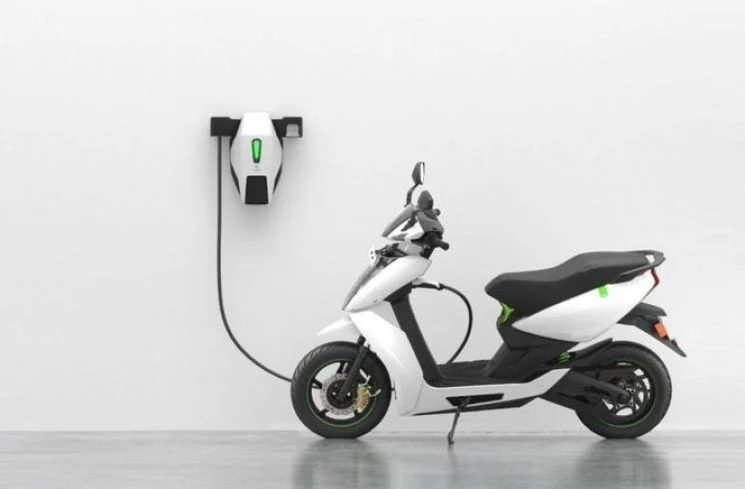
The transition to an electric motorcycle requires a reevaluation of one’s home or workplace environment. Unlike the "refuel and go" nature of gasoline, electric vehicles require a deliberate approach to energy replenishment. Before finalizing a purchase, consumers must assess their electrical infrastructure. Charging at home requires a dedicated outlet that can handle sustained power draws without tripping circuit breakers.
For those residing in apartments or urban centers without dedicated parking, the availability of Battery Swapping Stations (BSS) becomes the deciding factor. The BSS model allows users to exchange a depleted battery for a fully charged one in under three minutes, effectively eliminating the wait time associated with plug-in charging. Data from major urban centers indicates that regions with dense BSS networks see a 60% higher adoption rate among commuters compared to regions relying solely on home-based plug-in infrastructure.
The Importance of Experiential Validation: The Test Ride
One of the most profound differences between an ICE vehicle and an electric motorcycle is the power delivery. Electric motors provide 100% of their torque from a standstill, resulting in instantaneous acceleration that can feel jarring to the uninitiated. This "linear" power delivery is a significant advantage in urban traffic but requires a period of adjustment for the rider.
During a test ride, potential buyers should focus on three specific metrics:
- Regenerative Braking Sensitivity: How the bike slows down when the throttle is released. A well-calibrated system can act as a secondary brake, extending the life of physical brake pads and increasing overall range.
- Ergonomic Geometry: Because electric motorcycles often house heavy battery packs in the center or bottom of the frame, the center of gravity differs from traditional bikes. Riders should test the maneuverability at low speeds.
- Control Interface: The digital dashboard should provide accurate, real-time data on state-of-charge (SoC) and remaining range. Misleading information in this area is a primary source of user dissatisfaction.
Safety, Technology, and Long-Term Value
Modern electric motorcycles are increasingly defined by their software as much as their hardware. High-end models now feature integrated GPS tracking, remote immobilization, and cloud-based diagnostics. These features are not merely convenience-oriented; they are essential for asset protection. Given the high value of the battery, these vehicles are attractive targets for theft. Features such as geofencing and anti-theft alarms, which alert the owner’s smartphone if the vehicle is moved without authorization, are becoming standard requirements for insurance eligibility.
Furthermore, the longevity of the vehicle is tied to the manufacturer’s software support. Buyers should prioritize brands that offer over-the-air (OTA) updates, which can optimize battery management and motor performance throughout the vehicle’s lifespan. This ensures that the motorcycle remains relevant and efficient, potentially increasing its resale value in the secondary market.
Economic and Environmental Implications: A Macro View
The shift toward electric motorcycles carries significant economic implications for the consumer. While the upfront cost of an electric motorcycle is often higher than a comparable gasoline-powered model, the total cost of ownership (TCO) is significantly lower over a five-year period. Maintenance costs are slashed by nearly 60% due to the absence of oil changes, spark plugs, air filters, and complex transmission systems.
From an environmental standpoint, the impact is measurable. Even when accounting for the carbon footprint of battery production and the electricity generation mix used for charging, electric motorcycles produce zero tailpipe emissions. In densely populated urban areas, this translates to a tangible improvement in localized air quality. Public health experts suggest that a mass transition to electric two-wheelers could reduce respiratory-related healthcare costs in major metropolitan hubs by a significant margin within the next decade.
Official Responses and Industry Outlook
Regulatory bodies and industry leaders remain optimistic about the growth trajectory of the electric motorcycle sector. In recent forums, representatives from the automotive industry have emphasized the need for standardized charging plugs and battery form factors. The lack of standardization remains a primary hurdle to universal adoption. "The industry is currently in its ‘VHS vs. Betamax’ phase," notes a senior policy analyst at an automotive research institute. "Once we reach a point where interoperability between different manufacturers becomes the norm, we expect to see a secondary surge in market penetration."
For the consumer, the guidance remains clear: research, test, and verify. Do not be swayed solely by the aesthetics of the motorcycle. Look at the warranty terms for the battery, the proximity of service centers, and the manufacturer’s commitment to long-term software support. As the technology matures, the electric motorcycle is poised to become the definitive standard for individual urban mobility, offering a cleaner, quieter, and more efficient way to navigate the modern city. By taking the time to understand these technical and logistical requirements today, the first-time buyer is not just purchasing a vehicle, but positioning themselves at the forefront of a necessary global transition.