The Global Sources Indonesia 2026 exhibition has officially commenced at the Jakarta Convention Center (JCC) in Senayan, marking a significant milestone for the Indonesian retail and trade landscape. As the event opened its doors, it signaled the beginning of a three-day intensive business-to-business summit designed to facilitate direct networking and procurement between Indonesia’s burgeoning retail sector and high-capacity suppliers from across the Asian continent. The scale of the event underscores a strategic shift in how local businesses—ranging from small-scale online entrepreneurs to large national distributors—source their inventory to remain competitive in an increasingly digital-first economy.
High Turnout and Initial Market Sentiment
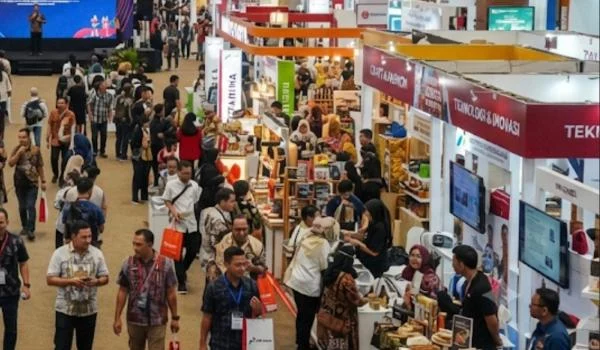
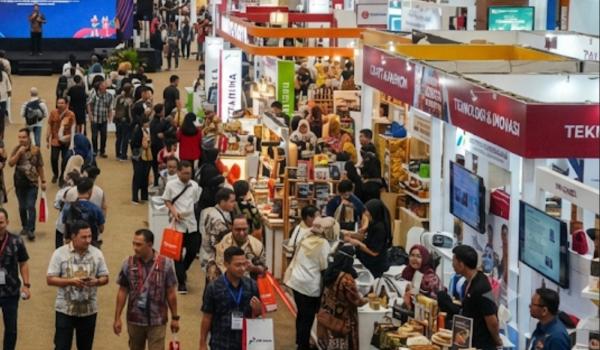
From the early hours of the opening day, the JCC was inundated with a diverse crowd of industry stakeholders. The presence of thousands of buyers, retailers, brand owners, and e-commerce sellers highlights the critical demand for direct access to global supply chains. By cutting out the middleman, these local business operators are seeking to optimize their margins and gain early access to product innovations that have yet to hit the mass market in Southeast Asia.
The exhibition floor, spanning an expansive area of the JCC, features approximately 800 booths. These exhibitors represent a curated selection of manufacturers from key industrial hubs, including Tiongkok (China), Taiwan, South Korea, India, and Indonesia. This diverse lineup is designed to cater to the specific needs of the Indonesian consumer market, which has shown a robust appetite for affordable electronics, smart home appliances, and high-quality lifestyle goods.
The Strategic Pillars of Global Sources Indonesia 2026
The exhibition is structured to address the core challenges faced by modern retailers: inventory diversification and supply chain resilience. The product categories showcased are highly strategic, reflecting the current consumption patterns of the Indonesian middle class.
- Consumer Electronics: With the rapid digitalization of the Indonesian archipelago, there is an insatiable demand for mobile accessories, wearable tech, and smart gadgets.
- Home and Kitchen Appliances: As urban living spaces evolve, there is a marked trend toward compact, energy-efficient, and aesthetically pleasing household tools.
- Gifts and Souvenirs: This category serves the robust tourism and corporate gifting sectors, which remain vital components of the local economy.
- Sports and Lifestyle: Reflecting a post-pandemic shift in consumer behavior, there is increased focus on health, fitness equipment, and wellness-related consumer products.
By concentrating these categories under one roof, the organizers have created an environment that mimics the efficiency of large-scale international trade fairs like those typically held in Hong Kong or Guangzhou, effectively bringing the "factory floor" to Jakarta.
A Gateway for Local Economic Integration
Toerangga Putra, the President Director of PT Adhouse Clarion Events, the organization behind the summit, emphasized the role of the exhibition as a critical economic bridge. "This event represents a pivotal moment for the entire Indonesian retail ecosystem," Putra stated during the opening remarks. "We are facilitating a necessary connection between the smallest independent retailer and the largest national distributors with the best-verified suppliers in Asia. The goal is to provide a platform where authentic business opportunities can be converted into long-term partnerships."
Putra’s statement highlights a broader trend: the democratization of global trade. In previous decades, only the largest retail conglomerates in Indonesia possessed the capital and logistical infrastructure to import directly from overseas factories. Today, platforms like Global Sources are empowering smaller players, including digital-native businesses, to scale their operations by tapping into the same supply chains used by global giants.
Chronology and Operational Context
The 2026 edition of the event follows a series of successful predecessors that have progressively solidified Jakarta’s position as a regional hub for trade. The timeline for this year’s exhibition is strictly structured to maximize efficiency:
- Day 1: Focused on the grand opening and high-level networking, where key industry players scout for new product lines and establish initial contact with manufacturers.
- Day 2: Dedicated to deep-dive workshops, supply chain seminars, and specialized procurement meetings, where retailers discuss white-labeling and private-label opportunities.
- Day 3: The final push for closing contracts, finalizing shipping logistics, and conducting post-event analysis for future market trends.
This structured approach is designed to cater to the fast-paced nature of modern retail, where product cycles have shortened significantly due to the influence of social media trends and rapid shifts in consumer preference.

Supporting Data and Industry Implications
The context of this event is deeply rooted in Indonesia’s macroeconomic performance. As the largest economy in Southeast Asia, Indonesia’s retail market has been a primary driver of GDP growth. According to industry analysis, the shift toward e-commerce—fueled by platforms like Shopee, Tokopedia, and TikTok Shop—has forced local retailers to move away from traditional wholesale models.
The participation of manufacturers from India and Korea, alongside the traditional manufacturing powerhouses of China and Taiwan, indicates a diversifying supply chain. This is a crucial development for Indonesian businesses, as it allows them to hedge against regional volatility and access a wider variety of price points and technological specifications.
Furthermore, the emphasis on "verified suppliers" addresses one of the biggest hurdles in cross-border trade: trust and quality control. By hosting the event in a controlled environment, the organizers provide a layer of vetting that protects smaller retailers from the risks associated with unverified online international trade.
Broader Economic Impact: The "China Plus One" Strategy
While China remains the primary source of goods for many Indonesian retailers, the presence of manufacturers from India and Southeast Asia suggests that local importers are increasingly adopting "China Plus One" strategies. By diversifying their sourcing, Indonesian businesses are becoming more resilient to supply chain disruptions—a lesson learned during the global logistical bottlenecks of the early 2020s.
The impact of this exhibition is expected to ripple through the domestic market over the next six to twelve months. As retailers secure new inventory at competitive prices, the end consumer in Indonesia can expect a wider variety of products in local malls and digital marketplaces. This increased competition is likely to drive innovation in product design and place downward pressure on prices for non-essential goods.

Future Outlook for the Retail Sector
As the exhibition continues, the focus will likely remain on the digitalization of procurement. Many of the suppliers present are not only offering physical goods but are also demonstrating integrated software solutions for inventory management and cross-border payment processing. This transition toward a "smart" retail model is what differentiates the current landscape from the traditional, manual-heavy trade fairs of the past.
The success of Global Sources Indonesia 2026 will be measured not just by the volume of deals signed on the floor, but by the long-term sustainability of the partnerships formed. If the enthusiasm shown on the first day is any indication, the Indonesian retail market is poised for a significant expansion in product diversity and technological sophistication.
In conclusion, the exhibition serves as a critical junction for Indonesia’s economic development. By lowering the barriers to entry for international trade, it enables local entrepreneurs to participate more actively in the global economy. As the event moves through its remaining days, the focus will undoubtedly stay on forging the ties that will shape the retail landscape of Indonesia for the coming year. The synergy between international manufacturing expertise and the rapidly evolving Indonesian consumer base remains the central narrative of this year’s summit at the Jakarta Convention Center.