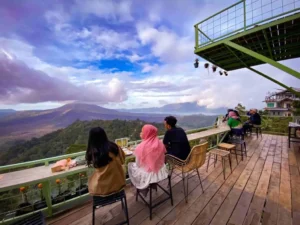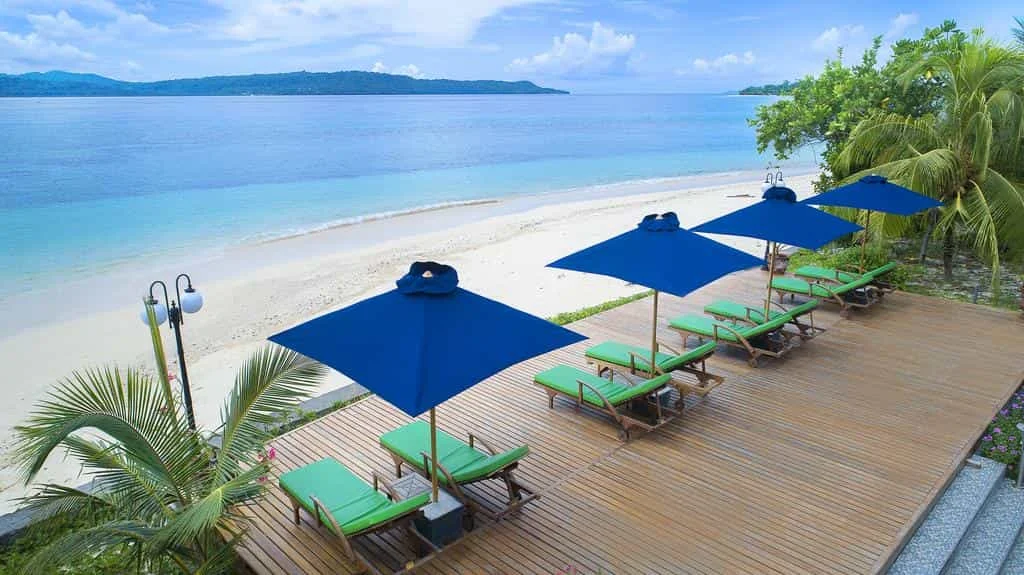
The global socioeconomic landscape is undergoing a profound structural shift, marked primarily by how younger demographics approach personal finance, career milestones, and life satisfaction. For decades, the conventional formula for adulthood was standardized: secure a stable job, accumulate capital, prioritize long-term assets such as real estate and automobiles, and defer leisure until retirement. However, the emergence of the modern "experience economy"—accelerated by digital connectivity, remote work flexibility, and a cultural reevaluation of success—has propelled lifestyle traveling to the forefront of contemporary youth culture. Today, millions of millennials and Generation Z individuals increasingly view experiential investments, particularly travel, as significantly more valuable than traditional material accumulation. This evolving paradigm not only redefines personal priorities but also triggers substantial transformations across global tourism, financial planning, and psychological well-being.
To understand the current obsession with lifestyle traveling, one must examine the socio-economic and technological background that has nurtured this phenomenon. Over the past decade, the proliferation of high-speed mobile internet, social media platforms centered on visual storytelling, and budget-friendly aviation networks have dismantled the geographical and financial barriers that once restricted exploration. Concurrently, global economic shifts—including stagnant wage growth relative to soaring housing markets in major urban centers—have altered the calculus of traditional wealth accumulation. For many young adults, the traditional milestone of purchasing a home has become an increasingly distant or unappealing prospect due to prohibitive entry costs. Consequently, capital that might have once been funneled into down payments is now consciously reallocated toward travel. This behavioral pivot is underpinned by a psychological shift: rather than postponing gratification for a distant retirement that may be fraught with physical limitations, contemporary generations prioritize collecting memorable experiences while they are young, vibrant, and capable of enduring physical adventures.
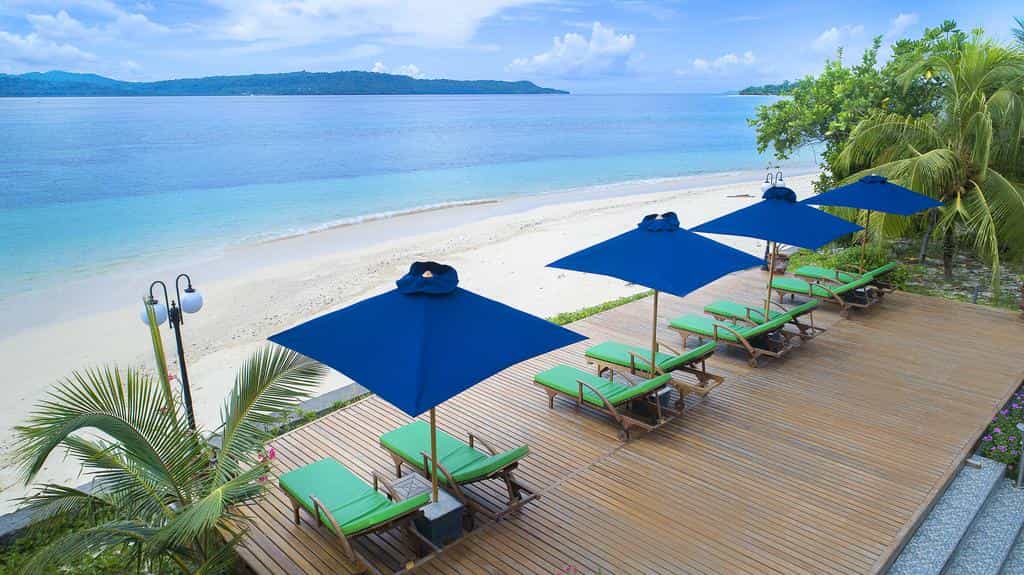
The transition from conventional vacationing to lifestyle traveling involves a fundamental change in philosophy. Vacations are typically temporary respites from daily routines, characterized by fixed itineraries, luxury accommodations, and a eventual return to normalcy. In contrast, lifestyle travel integrates exploration as a permanent, defining pillar of one’s daily existence. It involves continuous movement, immersion in foreign cultures, and the deliberate dismantling of comfort zones. According to sociological data and travel industry analysts, this trend reflects a broader psychological desire for authenticity and self-discovery. By stepping away from familiar environments and confronting the unpredictable nature of the road, travelers report heightened levels of adaptability, open-mindedness, and emotional resilience.
Transitioning into a lifestyle traveler, however, requires a deliberate departure from conventional security blankets. Experts in modern travel psychology and seasoned globetrotters outline several foundational principles necessary for successfully adopting this lifestyle without succumbing to chronic anxiety or financial ruin.
First and foremost is the cultivation of mental fortitude and actionable courage. A pervasive barrier for aspiring travelers is the paralyzing need for financial perfection—the belief that one must accumulate a massive, foolproof financial buffer before taking the leap. Lifestyle travelers argue that waiting for absolute financial security often results in indefinite postponement. Instead, the modern approach emphasizes resourcefulness, calculated risk-taking, and the ability to survive and thrive with the resources currently at hand. This mindset does not advocate for recklessness; rather, it encourages bridging the gap between passive daydreaming and decisive, proactive execution.

Second, successful lifestyle travel demands a fluid approach to planning, characterized by the ability to follow the organic flow of local conditions. While traditional tourism relies on rigid, minute-by-minute itineraries, lifestyle travel thrives on flexibility. Establishing a loose framework—such as a general destination or a broad timeline—provides necessary direction without inducing rigidity. When travelers become overly fixated on a predetermined plan, they frequently miss serendipitous cultural encounters, hidden geographic gems, and spontaneous local invitations that often constitute the most rewarding aspects of a journey. Embracing spontaneity allows travelers to align their paths with the heartbeat of the communities they visit.
Third, long-term travel mastery hinges on advanced cross-cultural adaptability. Moving from one cultural ecosystem to another exposes individuals to unfamiliar social norms, linguistic barriers, and dietary variations. The ability to observe, respect, and seamlessly adapt to these differing environments is the ultimate survival tool for the modern nomad. Developing cultural intelligence not only ensures smoother logistical navigation but also fosters deeper human connections, transforming transactional tourism into genuine cross-cultural exchange.
The broader implications of this lifestyle shift extend far beyond individual personal growth, exerting measurable economic and social impacts on a global scale. Economically, the surge in experience-based spending has catalyzed the growth of alternative tourism sectors, including eco-tourism, digital nomad hubs, volunteer tourism, and community-based enterprises. Local economies in developing regions, which previously relied solely on mass industrial tourism, are now adapting to accommodate independent travelers who seek authentic, localized experiences. This decentralized flow of capital often benefits small-scale, locally owned businesses—such as family-run guesthouses, independent tour guides, and local eateries—rather than multinational hospitality conglomerates.

Furthermore, the mainstreaming of lifestyle traveling is forcing traditional financial institutions and employment structures to adapt. The rise of remote work policies, accelerated by global workplace transformations, has enabled a hybrid demographic of "work-from-anywhere" professionals. Financial institutions, in response, are introducing borderless banking solutions, multi-currency accounts, and flexible insurance products tailored specifically to the needs of location-independent individuals. On a psychological level, educators and organizational psychologists increasingly recognize that the soft skills acquired through intensive travel—such as crisis management, intercultural communication, cross-cultural empathy, and high adaptability—are highly transferrable assets in the modern globalized workforce.
Critics of the lifestyle travel movement occasionally point to potential downsides, such as the risk of financial instability later in life, the environmental footprint associated with frequent transit, and the phenomenon of superficial engagement disguised as deep cultural immersion. Responsible lifestyle travelers, however, actively counter these criticisms by adopting sustainable tourism practices, supporting conservation efforts, engaging in slow travel to minimize carbon emissions, and balancing experiential spending with prudent, long-term digital investments or remote income generation.
Ultimately, the transition toward lifestyle traveling represents a fundamental redefinition of human capital and life satisfaction. By choosing to invest in memories, personal resilience, and global awareness rather than static material possessions, contemporary generations are authoring a new blueprint for modern living. As the barriers between work, leisure, and exploration continue to dissolve, lifestyle traveling stands not as a fleeting generational fad, but as a permanent evolution in how humanity seeks meaning, connection, and self-actualization in an interconnected world.