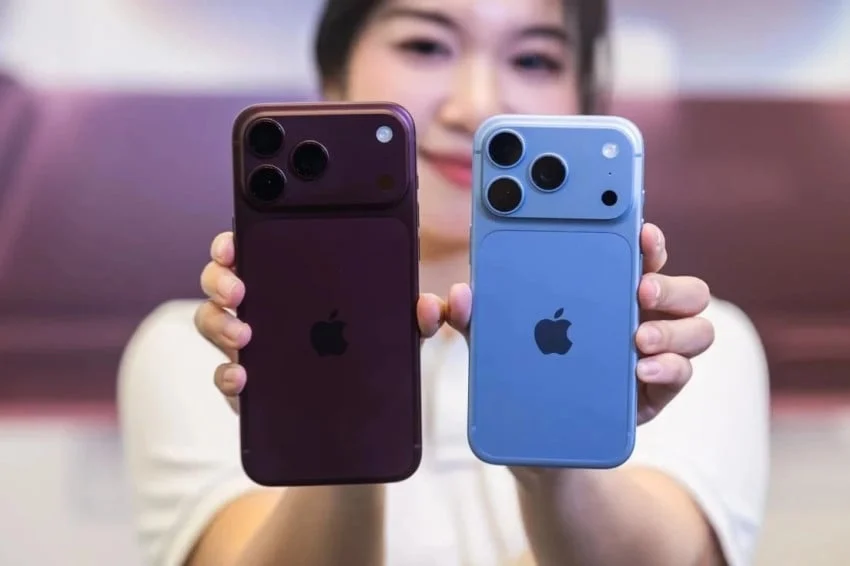
The global technology landscape is currently witnessing an unprecedented surge in activist-led resistance as calls to boycott the upcoming release of the iPhone 18 gain significant momentum. Orchestrated by humanitarian groups, most notably Team Congo, the movement serves as a stark indictment of the tech industry’s reliance on mineral extraction processes within the Democratic Republic of the Congo (DRC). This protest movement highlights the ethical chasm between the allure of cutting-edge consumer electronics and the harrowing realities of the supply chain that powers them.
At the heart of the controversy lies the extraction of cobalt and tantalum—the latter derived from columbite-tantalite, or "coltan." These elements are indispensable to the production of high-performance lithium-ion batteries and intricate microcircuitry. While these components facilitate the seamless functionality of modern smartphones, the DRC remains the primary global source for these minerals. Activists argue that the relentless cycle of product releases, epitomized by Apple’s annual refresh schedule, creates an unsustainable demand that exacerbates human rights abuses in the Congo.
The Human Cost of Connectivity
The extraction of minerals in the eastern regions of the DRC has long been shadowed by reports of systemic exploitation. Humanitarian organizations have documented a grim reality where mining operations are frequently linked to child labor, hazardous working conditions, and the financing of armed militias. These non-state actors often seize control of mining sites, using the proceeds from mineral sales to sustain regional conflicts that have displaced millions and claimed countless lives.
For the activists behind the iPhone 18 boycott, the device is not merely a tool of communication but a symbol of corporate negligence. By pushing for a consumer revolt, they aim to disrupt the "planned obsolescence" model that dictates users must upgrade their hardware every twelve months. The movement encourages a shift in consumer behavior: advocating for the retention of current devices, the purchase of refurbished units, or the support of manufacturers who can provide transparent, conflict-free supply chain documentation.
Chronology of the Crisis and Industry Tension
The intersection of technology and mineral extraction is not a new phenomenon, but the intensity of the current backlash against Apple marks a significant escalation.
- Mid-2010s: Increased global scrutiny begins regarding the "conflict minerals" trade. The Dodd-Frank Act in the United States attempts to mandate supply chain transparency, though enforcement remains inconsistent.
- 2020-2023: Reports from various NGOs, including Amnesty International and Human Rights Watch, continue to highlight the lack of progress in formalizing artisanal mining in the DRC.
- Early 2026: As rumors of the iPhone 18’s technical specifications circulate, activist groups begin organizing digital campaigns, utilizing social media platforms to link specific hardware features to the demand for Congolese raw materials.
- September 2026: The boycott movement achieves mainstream visibility as humanitarian groups formally call for a mass refusal to purchase the new flagship device, coinciding with the pre-order window.
Supporting Data and the Mineral Dilemma
The reliance on Congolese resources is staggering. The DRC produces over 70% of the world’s cobalt, a mineral essential for the energy density required by modern flagship smartphones. Tantalum, used in capacitors to stabilize power flow, is similarly concentrated in the region.
According to data from the World Bank and various trade monitors, the informal mining sector—often referred to as "artisanal mining"—employs hundreds of thousands of people in the DRC. However, this sector operates largely outside of formal regulatory oversight. The "conflict-free" certification programs, which many tech giants claim to adhere to, have been criticized for being insufficient. Auditors often struggle to track minerals from small-scale, remote mines through the complex web of local traders and international smelters, rendering the "chain of custody" claims fragile at best.
Corporate Responses and Ethical Governance
Apple has consistently maintained that it upholds rigorous standards for its suppliers. In response to the growing public pressure, the Cupertino-based giant has issued statements emphasizing its commitment to "Responsible Sourcing."

The company asserts that it has implemented a comprehensive audit system, requiring all smelters and refiners in its supply chain to undergo independent, third-party audits to verify that minerals are not sourced from mines that finance armed conflict. Furthermore, Apple has reported that, since the most recent escalation of regional instability in the DRC, it has instructed its suppliers to suspend the purchase of specific minerals from high-risk, unverified zones.
"We are deeply committed to the human rights of everyone who touches our supply chain," an Apple spokesperson indicated in a recent briefing. "We continue to increase our investment in recycled materials—including cobalt, gold, and tin—to reduce our reliance on primary extraction and to provide a more sustainable, ethical path forward for our hardware production."
Despite these assurances, critics remain skeptical. They point out that while Apple’s use of recycled materials is increasing, it still represents a minority share of their total material procurement. The core of the protest is a demand for a fundamental change in the business model, rather than just an improvement in audit procedures.
Broader Implications for the Tech Industry
The iPhone 18 boycott serves as a bellwether for the future of consumer electronics. As environmental, social, and governance (ESG) criteria become increasingly central to investment strategies and consumer choices, tech companies will find it difficult to ignore the ethical origins of their components.
- Supply Chain Transparency: The pressure on Apple is likely to force a industry-wide pivot toward blockchain-based tracking or other immutable ledger technologies to prove the provenance of minerals.
- Circular Economy Acceleration: To mitigate reputational risk, companies may accelerate the move toward "circularity"—designing products for easier repair, modularity, and component recovery. If a phone is designed to last five years instead of two, the total demand for raw mineral extraction drops significantly.
- Regulatory Shifts: The European Union’s recent directives on corporate sustainability due diligence are likely to set a global standard. Similar legislation in other jurisdictions could force companies to take legal responsibility for human rights abuses deep within their supply chains, effectively ending the era of "plausible deniability."
The Consumer Dilemma
The ethical dilemma presented by the iPhone 18 boycott is one that every modern consumer must grapple with. We live in an era where digital connectivity is essential for economic participation, education, and social cohesion. Simultaneously, the manufacturing of the tools that provide this connectivity carries an undeniable human and environmental cost.
The activists behind the boycott are not asking for a complete abandonment of technology. Instead, they are advocating for "mindful consumption." By refusing to participate in the cycle of annual upgrades, consumers can reduce the aggregate pressure on the global mineral market. This approach forces manufacturers to compete on the basis of longevity and sustainability rather than just the marginal gains of a new processor or camera lens.
Ultimately, the conflict in the DRC is a complex geopolitical issue with deep historical roots. While a corporate boycott may not solve the systemic problems of governance and poverty in the region, it does place the issue of supply chain ethics firmly in the public consciousness. As the iPhone 18 prepares to hit the market, the success or failure of the boycott will signal whether consumers are willing to prioritize ethics over the latest hardware trends, potentially marking a turning point in the history of global consumerism.
Whether or not the movement achieves its immediate goal of suppressing sales, it has successfully shifted the narrative. The conversation is no longer just about battery life and screen resolution; it is about the cost of the materials inside the device and the human lives inextricably linked to the global race for technological supremacy. For Apple, the challenge will be to prove that its commitment to innovation does not come at the expense of human dignity in the mines of the Congo.