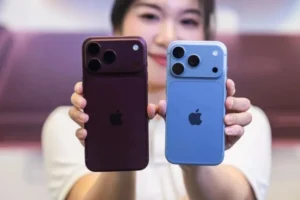
The United States International Trade Commission (USITC) has officially launched an investigation that could ultimately result in an import ban on various smartphones, tablets, and audio accessories manufactured by technology giants Apple, Samsung, and Google. The regulatory proceeding stems from a high-stakes intellectual property dispute initiated by California-based audio technology developer BoomCloud 360, which accuses the three multinational corporations of unauthorized use of its patented spatial audio processing technologies.
The unfolding legal battle places some of the world’s most popular consumer electronic devices under federal scrutiny. If the USITC rules in favor of the plaintiff, millions of consumers in the United States could experience supply disruptions for flagship devices featuring advanced immersive sound capabilities. While the investigation remains in its early stages, the implications extend far beyond a standard corporate disagreement, potentially reshaping how major tech ecosystems license audio processing innovations.
Core Allegations and Technical Background
At the center of the dispute are three specific patents held by BoomCloud 360 related to spatial audio processing. Spatial audio has rapidly transitioned from a niche audiophile feature to an industry-standard selling point for modern consumer electronics. By digitally manipulating audio channels, spatial audio creates a three-dimensional soundscape, giving listeners the perception that sound is emanating from specific physical points around them—whether above, beside, or behind the user. This creates a deeply immersive experience optimized for modern media consumption, including streaming movies, competitive mobile gaming, and spatial music tracks.
BoomCloud 360 alleges that Apple, Samsung, and Google have integrated proprietary elements of its audio optimization architecture into their hardware and software ecosystems without securing appropriate licenses. Although BoomCloud 360 is not a hardware manufacturer on the scale of its targets, the California-based enterprise specializes in cloud-based audio optimization software and holds an extensive portfolio of intellectual property centered on digital signal processing and sound spatialization.
In its formal complaint filed with the USITC, BoomCloud 360 is seeking two critical remedies: a Limited Exclusion Order and a cease-and-desist order. A Limited Exclusion Order, if granted by the commission, would legally bar the importation of the accused infringing devices into the United States, effectively halting their commercial availability at American ports of entry. Concurrently, a cease-and-desist order would compel the defendants to halt all marketing, distribution, and domestic sales of existing inventory tied to the disputed technology. To date, neither the USITC nor the plaintiff has released a comprehensive public itemization specifying the exact hardware models—such as specific iPhone generations, Galaxy smartphones, Pixel handsets, or wireless earbuds—currently named in the confidential dockets of the dispute.

Chronology of the Dispute
The conflict between BoomCloud 360 and the trio of tech giants did not materialize overnight. It represents the culmination of escalating tensions regarding intellectual property valuation in the audio engineering sector.
The formal phase of the conflict began in August, when BoomCloud 360 officially petitioned the USITC to intervene under Section 337 of the Tariff Act of 1930, which prohibits unfair methods of competition and the importation of articles that infringe upon valid and enforceable United States patents. Following a preliminary review of the complaint, the USITC formally voted to initiate an investigation into Apple, Samsung, and Google.
Recognizing the severity of a potential import ban, the targeted technology companies moved quickly to mount a legal defense. Rather than relying solely on defensive maneuvers within the USITC framework, Apple, Samsung, and Google launched proactive legal counter-offensives. The defendants have jointly or separately filed actions seeking declaratory judgments against BoomCloud 360 in federal courts, aiming to invalidate the plaintiff’s patents or establish non-infringement. These parallel legal tracks mean that the dispute is now being fought on multiple fronts—both before federal trade regulators and within the traditional judicial system.
Understanding the USITC Process and Industry Implications
The United States International Trade Commission operates independently of the federal district court system, focusing specifically on trade-related intellectual property violations. Proceedings before the USITC typically move at an expedited pace compared to standard patent infringement lawsuits. Once an investigation is initiated, an administrative law judge (ALJ) is assigned to oversee discovery, hold evidentiary hearings, and issue an initial determination regarding whether a violation of Section 337 has occurred.
If the ALJ finds that Apple, Samsung, or Google has infringed upon BoomCloud 360’s spatial audio patents, the case moves to the full commission for a review. Should the commission confirm the finding of infringement, it must then weigh public interest factors—such as the impact of an import ban on public health, consumer welfare, and competitive conditions in the United States economy—before issuing an exclusion order.
Even if an exclusion order is issued, it is subject to a 60-day presidential review period, during which the sitting U.S. President can veto the ruling for policy reasons. Historically, presidential vetoes of USITC exclusion orders are rare, but they do occur in cases involving critical infrastructure or widespread consumer disruption.

The broader implications of this case for the consumer technology market are profound. Spatial audio has become a foundational pillar of modern entertainment hardware. Features like Apple’s Spatial Audio with dynamic head tracking, Samsung’s 360 Audio, and Google’s spatial audio integration on Pixel devices and Pixel Buds are deeply integrated into the operating systems and hardware ecosystems of these companies.
If BoomCloud 360 successfully secures an exclusion order, the targeted companies would face immense pressure to either negotiate a licensing settlement, engineer workarounds that avoid the patented technology via software updates, or face the permanent removal of key audio features from devices sold in the U.S. market. Conversely, if Apple, Samsung, and Google successfully invalidate the patents through their declaratory judgment actions, it could establish a legal precedent regarding the boundaries of software-based audio spatialization patents.
Current Status and Next Steps
As the legal proceedings continue to unfold, it is critical for consumers and industry observers to note that no final determinations have been reached. At present, there are no immediate bans affecting the sale, import, or operation of Apple, Samsung, or Google devices in the United States.
The ongoing investigation by the USITC and the concurrent federal court litigations are expected to take many months, if not years, to reach a definitive conclusion. Discovery phases, expert witness testimonies, and claim construction hearings will dictate the trajectory of the case throughout the coming months. Until the administrative law judge issues an initial determination or a settlement is reached between the parties, the affected tech giants will continue to market and distribute their product lineups unhindered, while the legal teams prepare for what promises to be a landmark intellectual property showdown in American trade law.