In an era where the global discourse on technological dominance is perpetually dominated by Silicon Valley giants or Chinese conglomerates, Indonesia harbors a homegrown success story that has quietly woven itself into the fabric of domestic life for over half a century. Polytron, the electronics powerhouse originating from the modest town of Kudus, Central Java, recently celebrated its 51st anniversary, marking a tenure that has seen the company evolve from a local manufacturer into a dominant force in the Indonesian consumer electronics landscape.
The commemorative milestone, titled Polytron Fest 51st Anniversary, took place on September 19-20, 2026, at the Parkir Selatan Gelora Bung Karno, Jakarta. The festival served as more than just a celebration of longevity; it acted as a platform to reaffirm the brand’s commitment to domestic innovation. During the event, the company launched its "Bangga Terus Melangkah" (Proud to Keep Moving Forward) campaign in collaboration with the renowned musical group Maliq & D’Essentials, signaling a strategic effort to bridge the gap between legacy and modern consumer trends through a synergistic music video project.
A Legacy of Local Innovation and Market Dominance
Founded on September 18, 1975, Polytron has spent five decades navigating the volatile currents of the global electronics industry. According to GfK data as of June 2025, the brand’s grip on the domestic market is formidable. Most notably, Polytron maintains a commanding 64 percent share of the national audio market, a segment it has led with relative consistency since the 1980s.

Beyond audio, the company has successfully diversified its portfolio. As of mid-2025, Polytron holds the second-largest market share in refrigerators (27 percent) and LED televisions (16 percent), while securing the third position in the washing machine sector (15 percent). While its presence in the air conditioning market remains in a growth phase at 4 percent, the company’s recent pivot toward smart-home integration—including voice-controlled cooling systems—suggests an aggressive roadmap to capture more ground.
Historical Chronology: From Kudus to the Global Stage
The evolution of Polytron is a study in industrial resilience. The company’s journey began in earnest in 1978, when it commenced the commercial production of 20-inch black-and-white televisions. Recognizing the shift in global consumer preferences, Polytron pivoted to color television production just one year later, manufacturing 22-inch and 26-inch models that set the standard for domestic affordability.
The 1990s marked a pivotal era of international ambition for the brand. In 1992, Polytron began exporting color television sets to European markets, demonstrating that Indonesian manufacturing standards could compete on a global stage. This era of technological maturation was followed by a series of patented innovations that solidified the company’s engineering reputation. In 2001, Polytron introduced its proprietary Zeppelin Speaker technology, followed in 2010 by the Nano Hifi system, which utilized four unique, patented acoustic features.
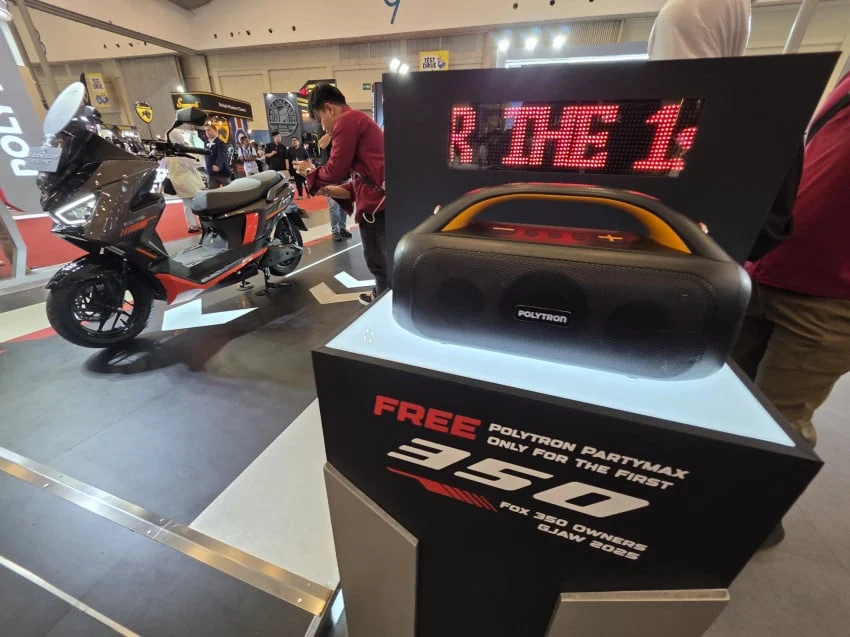
By 2017, the scale of production had reached an industrial peak, with an output of 10 million units per annum across its manufacturing facilities in Kudus and Sayung, Demak. This manufacturing capacity has allowed the company to expand into a diverse range of categories, including kitchen appliances, computing hardware (laptops and monitors), and the rapidly growing sector of electric mobility, encompassing both electric motorcycles and automobiles.

Resilience in the Smartphone and Telecommunications Sector
Perhaps the most daring chapter in Polytron’s history occurred in 2011, when the company entered the highly saturated and intensely competitive smartphone market. Challenging global giants, Polytron introduced the Prime, Zap, and Rocket series, which resonated with the domestic middle class.
In 2015, the launch of the Zap 5 was a landmark moment for the company and the Indonesian tech industry at large. It was recognized as the first 4G LTE smartphone to meet the government’s stringent Local Content Requirements (TKDN). The following year, the company further signaled its independence by developing its own operating system, FIRA OS. Although the smartphone market has shifted significantly since that time, these early moves proved that Polytron was capable of rapid software and hardware integration, setting the stage for its current efforts in Internet of Things (IoT) connectivity.
Economic and Industrial Implications
The endurance of Polytron provides a unique case study in Indonesian industrial policy. By maintaining a robust supply chain within Central Java, the company has insulated itself from some of the supply chain vulnerabilities that affect importers of electronics. The company’s ability to maintain high market shares—often exceeding 20 percent in core appliance segments—highlights a deep-seated brand loyalty among Indonesian consumers who prioritize after-sales service and long-term durability.
From a macroeconomic perspective, Polytron’s sustained investment in domestic R&D acts as a buffer against total reliance on foreign electronic imports. By fostering an ecosystem of local engineers and technicians, the brand contributes significantly to the regional economy of Kudus and the surrounding industrial zones. The move toward electric vehicles (EVs) is the next logical step in this evolution. As Indonesia aims to become a regional hub for EV battery production and assembly, Polytron’s existing infrastructure and distribution networks position it to transition from a consumer electronics giant to a key player in the green energy transition.
.jpg)
Strategic Outlook: The Path Ahead
The "Bangga Terus Melangkah" campaign is more than a marketing slogan; it is an acknowledgment of the changing demographics of the Indonesian market. As Gen Z and Millennial consumers become the primary purchasing power, the company is shifting its focus toward connectivity, user experience, and aesthetic integration.
Analysts observing the 51st-anniversary milestones suggest that the company’s future success will hinge on its ability to maintain its price-to-performance advantage while simultaneously upgrading its digital ecosystem. The integration of AI-driven voice commands into its appliances and the scaling of its electric vehicle line will be the primary metrics for its performance in the coming decade.
While the competitive pressure from regional rivals remains intense, Polytron’s history of pivoting—from black-and-white television sets in the 1970s to modern, smart, and sustainable hardware today—suggests that the brand has the institutional agility required to survive another 50 years. The company remains a testament to the fact that with consistent investment in local human capital and a focus on domestic needs, a regional manufacturer can indeed hold its own against the giants of the global tech industry.
Conclusion
As Polytron enters its sixth decade, the company stands at the crossroads of tradition and digital transformation. With 64 percent of the audio market under its belt and a diversifying portfolio that now includes personal mobility, it has moved far beyond its origins in Kudus. Whether it can replicate its dominance in the burgeoning electric vehicle and smart-home markets remains to be seen, but its track record suggests that Polytron will continue to be a household name for generations to come, embodying the spirit of Indonesian industrial persistence.