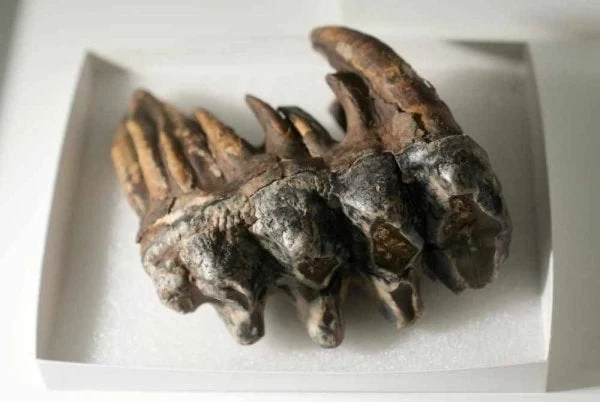
In a remarkable convergence of environmental conservation efforts and paleontological discovery, an expert geomorphologist has unearthed a prehistoric relic that provides a tangible link to California’s distant past. Brigid Lynch, while conducting field surveys in the rugged terrain of San Mateo County, identified a fossilized tooth measuring 23 centimeters in length, initially mistaken for an unremarkable river stone. Subsequent expert analysis confirmed the specimen to be a remarkably well-preserved molar belonging to a Pacific mastodon, a colossal relative of the modern elephant that roamed North America during the Pleistocene epoch. This discovery, estimated to be at least 10,000 years old, has sparked significant interest within the scientific community, offering new insights into the megafauna that once inhabited the coastal regions of the American West.
The Circumstances of the Discovery
The discovery occurred while Lynch was engaged in a project focused on habitat restoration for the California red-legged frog (Rana draytonii), a species currently classified as threatened under the U.S. Endangered Species Act. The work required meticulous surveying of stream beds and riparian zones to ensure that ecological restoration efforts would not disrupt local sediment flows. While navigating a riverbed in San Mateo County, Lynch observed an object embedded in the substrate that deviated from the geological profile of the surrounding rocks.
Upon closer inspection, the object’s density, texture, and distinct anatomical features—specifically the presence of a well-defined crown and clearly visible root canals—indicated that the specimen was biological rather than geological in origin. The preservation state of the fossil is particularly noteworthy; unlike many specimens found in riverbeds, which are often subject to erosion and fragmentation due to high-energy water currents, this molar remained largely intact, retaining the structural integrity necessary for detailed morphological study.
Contextualizing the Pacific Mastodon
To understand the significance of this find, one must look at the biological history of the Pacific mastodon (Mammut pacificus). These massive herbivores were dominant figures in the North American landscape for hundreds of thousands of years before their eventual extinction at the end of the last Ice Age. Unlike their cousins, the woolly mammoths, which were primarily grazers adapted to open grasslands and tundra, mastodons were predominantly browsers. Their dentition—characterized by the conical, cusped molars found by Lynch—was perfectly evolved to crush twigs, leaves, and woody vegetation found in the forests and wetlands of the Pacific coast.
The Pacific mastodon was formally recognized as a distinct species only relatively recently, following comprehensive genetic and morphological studies that separated them from the broader American mastodon classification. These creatures typically reached heights of up to three meters at the shoulder and could weigh several tons. Their presence in the San Mateo area suggests that the region’s topography during the late Pleistocene was characterized by a mosaic of woodland and marshy habitats capable of supporting such large biomass.
Chronology of the Pleistocene Epoch
The age of the fossil, estimated at approximately 10,000 years, places the specimen at the tail end of the Pleistocene epoch, a period defined by recurring glacial cycles and the subsequent warming that led to the Holocene. This era was marked by the presence of "megafauna"—a term used to describe large land mammals that evolved to thrive in these fluctuating climates.
- Late Pleistocene (126,000 to 11,700 years ago): The Pacific mastodon thrived across North America, adapting to various climatic shifts.
- The Quaternary Extinction Event (approx. 10,000 to 12,000 years ago): A significant environmental shift occurred. During this window, many large mammal species, including mastodons, mammoths, and saber-toothed cats, faced extinction.
- Recent Discovery (2024): The fossil was extracted from its riverbed resting place, providing a "time capsule" from this transitionary period in Earth’s history.
Paleontological Significance and Data Analysis
The morphological analysis of the 23-centimeter molar provides researchers with critical data points. The wear patterns on the chewing surface of the tooth allow paleontologists to infer the diet of the individual animal, while the chemical composition of the enamel can reveal information about the water sources and vegetation the animal consumed.
Data from the American Museum of Natural History suggests that the Pacific mastodon population experienced significant environmental stress as the climate shifted from the cool, moist conditions of the glacial maximum to the warmer, drier environment of the early Holocene. The loss of the specific forest habitats upon which the mastodons relied for food is widely considered a primary factor in their decline. Finding such a well-preserved specimen in San Mateo County serves as a geographic anchor for mapping the migratory and habitation patterns of these mammals along the Pacific corridor.
Institutional Response and Preservation
Following the recovery of the fossil, standard protocols for archaeological and paleontological finds were initiated. Because the object was found on land involving public or sensitive environmental interest, the specimen was evaluated to ensure its preservation in a controlled environment. Experts from regional universities and museums have been consulted to categorize the find.
In the wake of the discovery, local conservation groups and ecological agencies have emphasized the importance of training field workers to identify potential paleontological artifacts. While the primary mission of the San Mateo habitat restoration project remains the protection of the California red-legged frog, the discovery has highlighted the value of interdisciplinary awareness. Organizations involved in the habitat survey have stated that they are coordinating with state authorities to ensure that the site is properly documented, acknowledging that the area may contain additional remains of the same individual or other prehistoric organisms.
Broader Implications for Paleontology and Conservation
The unearthing of the mastodon molar serves as a stark reminder of the dynamic nature of the Californian landscape. It bridges the gap between modern conservation biology—the efforts to save a tiny amphibian—and deep-time paleontology—the study of a vanished giant.
Environmental Lessons
The extinction of the mastodon serves as a cautionary tale regarding the sensitivity of megafauna to rapid climate change. By studying the environmental conditions that existed when these creatures lived, scientists can better model how current biodiversity might respond to contemporary climate volatility.
The Role of Citizen Science and Field Experts
This discovery underscores the vital role played by professionals in the field who, while focused on specific tasks, remain vigilant for incidental findings. Brigid Lynch’s identification of the tooth highlights the importance of maintaining an observant workforce in environmental sciences. Had the object been ignored or mistaken for common detritus, the opportunity to study a high-quality specimen from a localized population would have been permanently lost to the forces of erosion and sedimentation.
Future Research Directions
The scientific community is now looking toward further surveys in the San Mateo river systems. The presence of one tooth suggests the possibility that a larger skeleton, or at least additional skeletal elements, may be present in the alluvial deposits nearby. Subsequent efforts will likely involve low-impact geological surveying to determine if the site holds further fossiliferous material without disturbing the existing ecosystem that the red-legged frog restoration project seeks to protect.
Conclusion
The discovery of the 10,000-year-old mastodon tooth in San Mateo is more than a mere curiosity; it is a significant paleontological event that enriches our understanding of the Pleistocene epoch in California. By providing a clear, high-quality specimen for study, the discovery offers a window into the life of a Pacific mastodon and the conditions that ultimately led to its demise. As researchers continue to analyze the molar, the findings will undoubtedly contribute to the broader scientific narrative regarding the extinction of North American megafauna.
This event serves as a testament to the fact that, even in the modern age of advanced technology, the earth continues to reveal its secrets to those who look closely at the landscape. As the restoration of the red-legged frog habitat proceeds, the fossilized molar will remain a subject of rigorous academic scrutiny, potentially unlocking further details about the ancient, untamed environment that once defined the California coastline. The successful recovery and documentation of this specimen reinforce the necessity of institutional collaboration between ecological conservationists and paleontologists, ensuring that when the past meets the present, it is recorded and preserved for the benefit of future generations.