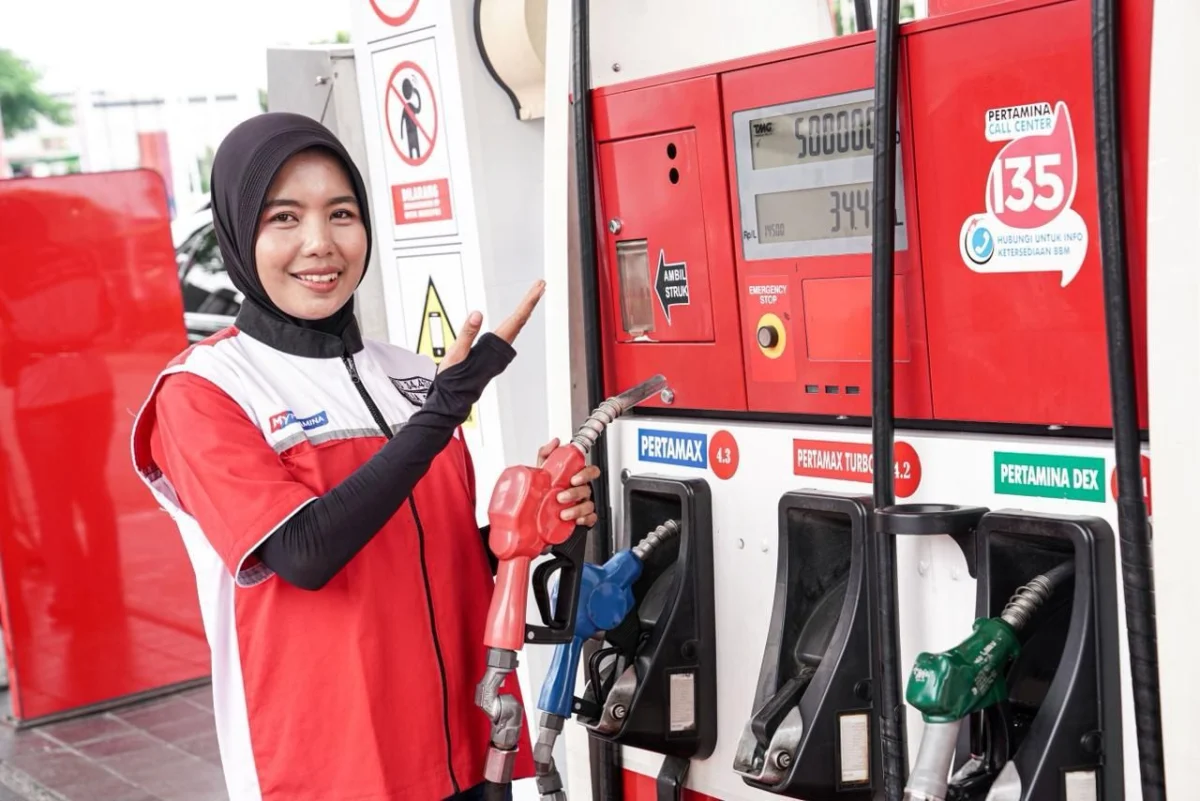
The Indonesian state-owned energy giant, PT Pertamina Patra Niaga, has officially implemented a series of price adjustments for its non-subsidized fuel products as of September 2026. This move, which took effect in early September, reflects the company’s commitment to aligning domestic fuel pricing with international oil market trends and shifting economic variables. While the price hikes have impacted several premium fuel variants, the government has reaffirmed its commitment to maintaining the affordability of subsidized fuels, ensuring stability for the broader consumer base throughout the remainder of the year.
Chronology of the Price Adjustment
The recent shifts in fuel pricing were not implemented as a single, blanket increase but rather as a phased strategy executed over the first two days of September 2026. This staggered approach allowed the market to adjust to the incremental changes.
On September 1, 2026, Pertamina initiated the first wave of adjustments, primarily affecting high-performance and diesel-based fuels. The products affected included Pertamax Turbo, Pertamina Dex, and Dexlite. These products cater to a specific segment of the market—typically owners of high-compression engines and commercial heavy-duty vehicles—and are highly sensitive to global price volatility.
Following this, on September 2, 2026, the company adjusted the price of Pertamax Green 95, an eco-friendly fuel variant that incorporates bioethanol. This subsequent adjustment solidified the current retail price structure that motorists are encountering at fuel stations as of today, September 21, 2026.
Detailed Breakdown of Price Changes
The adjustments represent a significant shift for consumers accustomed to previous price brackets. Below is a detailed comparison of the price movements:
- Pertamax Turbo: Prices saw a notable increase from the previous baseline of Rp18,300 to the current rate of Rp19,600 per liter.
- Pertamina Dex: As a premium diesel product, it experienced one of the most substantial hikes, rising from Rp21,150 to Rp25,200 per liter.
- Dexlite: Similarly, the diesel variant Dexlite saw its price climb from Rp19,700 to Rp23,700 per liter.
- Pertamax Green 95: Reflecting a mid-tier adjustment, the price increased by Rp2,550, moving from Rp16,600 to the current level of Rp19,150 per liter.
Conversely, Pertamina has maintained the status quo for its most widely used non-subsidized gasoline, Pertamax, which remains steady at Rp15,950 per liter. This decision is seen as a strategic measure to prevent a sudden spike in living costs for middle-income consumers who rely on this fuel for daily commuting.
Government Stance on Subsidized Fuel
Amidst the volatility of global energy markets, the Indonesian government has taken a firm stance regarding subsidized fuel products. Both Pertalite (RON 90) and Biosolar (B35) remain untouched by these latest adjustments. Pertalite continues to retail at Rp10,000 per liter, while Biosolar is maintained at Rp6,800 per liter.
Government officials have provided assurances that these prices will remain fixed until at least the end of 2026. This guarantee is designed to provide a fiscal cushion for the public, protecting inflation-sensitive sectors and ensuring that the transport and logistics industries—which rely heavily on subsidized diesel—do not face sudden operational cost surges. This policy is a cornerstone of the national energy security strategy, balancing the need for market-linked pricing for premium fuels with the social necessity of affordable basic energy.
The Rationale Behind the Adjustments
The decision to revise prices is governed by a complex set of indicators. According to Kitty Andhora, VP Corporate Communication at Pertamina Patra Niaga, the pricing formula is not arbitrary but follows a structured framework mandated by the government.
"The price adjustments are made in accordance with the formula established by the government, taking into account several key indicators," Andhora explained. These indicators include:
- Global Crude Oil Prices: The Mean of Platts Singapore (MOPS) and Brent crude oil prices remain the primary benchmarks. When international benchmarks rise, the cost of importing refined products increases, necessitating an adjustment in retail prices.
- Exchange Rate Fluctuations: As Indonesia imports a portion of its fuel requirements, the strength of the Indonesian Rupiah against the US Dollar is a critical factor. A weaker Rupiah increases the cost of imports, which must eventually be reflected in domestic pricing.
- Fiscal Factors: Taxes, including Value Added Tax (VAT) and Fuel Tax for Motor Vehicles (PBBKB), are integral components of the price structure.
- Economic Context: Factors such as domestic purchasing power are evaluated to ensure that while Pertamina remains commercially viable, the impact on the national economy is monitored.
Impact on Consumers and Industry
The rise in fuel prices, particularly for diesel products like Pertamina Dex and Dexlite, carries ripple effects through the economy. Logistics companies, which utilize these fuels for heavy-duty trucking, may face pressure on their operating margins. While the government maintains subsidies for standard Biosolar, the shift in premium diesel prices forces fleet operators to carefully manage their fuel efficiency strategies.
For individual consumers, the price hike serves as a reminder of the volatility inherent in the energy sector. Pertamina Patra Niaga has utilized this opportunity to reiterate its advice to motorists: utilize fuel that matches the technical specifications of the vehicle’s engine. Using high-octane fuels like Pertamax Turbo in engines designed for them not only ensures optimal performance but also contributes to engine longevity and reduced emissions.
"Despite these adjustments, our commitment to providing high-quality products and maintaining superior service standards remains unchanged," Andhora emphasized. The company continues to invest in its supply chain infrastructure to ensure that fuel availability remains consistent across the archipelago, from major metropolitan hubs to remote regions.
Economic Analysis: The Balancing Act
The current economic landscape in Indonesia presents a delicate balancing act for energy policymakers. On one hand, maintaining low fuel prices for the entire population is fiscally unsustainable, as it places a massive burden on the state budget (APBN) in the form of subsidy outlays. On the other hand, passing on the full cost of global oil market volatility to the public could trigger runaway inflation and dampen consumer spending.
By choosing to hike prices only for premium, non-subsidized products, Pertamina is effectively targeting the segments of the population with higher disposable income. This tiered pricing structure is a common tool used by energy-importing nations to maintain fiscal discipline without compromising social welfare.
Furthermore, the promotion of products like Pertamax Green 95 is part of a broader national push toward energy transition. While the price of this bioethanol-blended fuel has risen, it remains a critical component of Indonesia’s goal to reduce carbon emissions and increase the use of renewable energy in the transportation sector.
Looking Ahead: Market Expectations
As the calendar approaches the final quarter of 2026, market observers remain focused on the stability of the global oil market. With geopolitical tensions and supply chain constraints affecting crude oil production, the energy market is expected to remain tight.
For the average Indonesian, the message is clear: while subsidized fuel is secure, the era of fluctuating energy prices is a reality. The government’s focus for the remainder of the year will likely be on fiscal consolidation and ensuring that the subsidy budget is not exhausted prematurely.
For now, the price list released on September 21 serves as the definitive guide for motorists. As consumers head to the pumps, the dual-track strategy of maintaining affordable subsidized energy while allowing premium fuel to track market reality appears to be the government’s chosen path for navigating the remainder of the year. Pertamina, for its part, remains focused on its dual mandate: ensuring national energy security and maintaining the financial sustainability of its retail operations.
The public is encouraged to stay updated via official Pertamina channels, such as the MyPertamina application or the official website, as minor regional variations in taxes and logistics costs can sometimes lead to slight differences in price at the pump across different provinces in Indonesia. By staying informed and practicing efficient driving habits, the impact of these price adjustments can be effectively managed by households and businesses alike.