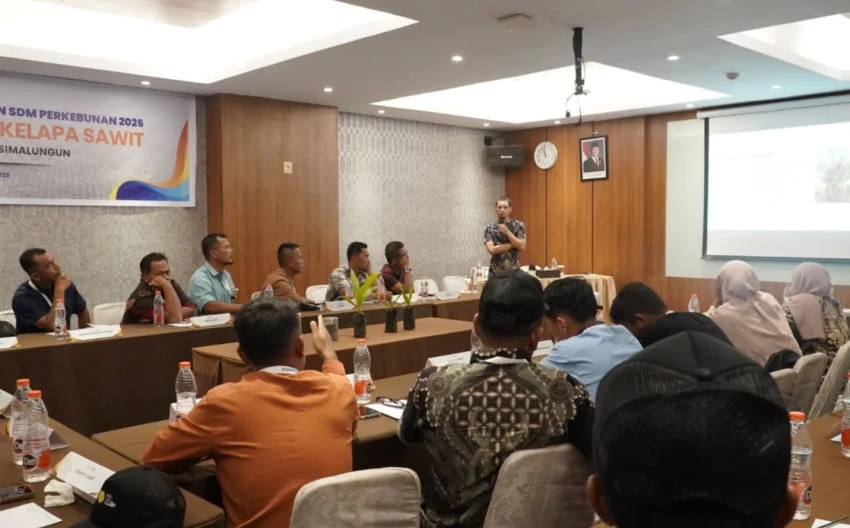
The Indonesian palm oil industry, a cornerstone of the national economy and a vital source of livelihood for millions, is currently undergoing a strategic transformation focused on the empowerment of smallholder farmers. In a significant initiative aimed at bridging the gap between scientific innovation and field-level implementation, the Indonesian Oil Palm Research Institute (PPKS), under the umbrella of PT Riset Perkebunan Nusantara (RPN), has launched an intensive capacity-building program. The 2026 Human Resources Development Program for Oil Palm Plantations (SDMP) recently hosted 126 smallholder farmers from the Simalungun Regency of North Sumatra, providing them with the technical expertise necessary to modernize their agricultural practices.
Bridging the Knowledge Gap in Smallholder Farming
The agricultural sector in Indonesia faces a perennial challenge: the discrepancy in productivity between large-scale industrial plantations and smallholder-managed plots. While industrial estates benefit from integrated research and development (R&D) and standardized management protocols, smallholders often rely on traditional, less efficient methods. The SDMP 2026 training, held from September 13 to September 19, 2026, in Medan, was designed specifically to dismantle these barriers.
By facilitating a direct exchange between seasoned researchers and farmers, the program seeks to transform theoretical knowledge into tangible field improvements. Agus Eko Prasetyo, Manager of Consulting Services at PPKS-RPN, emphasized that the synergy between the farmers’ decades of experience and the institution’s scientific rigor is the key to unlocking the untapped potential of smallholder yields. "We are encouraging participants to treat this as a collaborative platform. By integrating the practical wisdom of the farmers with the latest technological findings, we aim to establish sustainable, site-specific solutions for their plantations," stated Prasetyo during the opening ceremony.
Chronology and Program Execution
The training program was executed over a comprehensive week-long schedule, involving a structured curriculum that covered the full lifecycle of oil palm cultivation. The chronology of the event unfolded as follows:
- September 13, 2026: Official opening of the SDMP training in Medan, with participation from 126 delegates from Simalungun. The opening featured briefings from representatives of the Oil Palm Plantation Fund Management Agency (BPDP) and the Directorate General of Plantations (Ditjenbun).
- September 14–17, 2026: Intensive technical workshops. These days were dedicated to the "science of the soil," focusing on nutrient management, the application of specialized fertilizers, and modern weed control strategies to ensure optimal growth without degrading soil quality.
- September 18, 2026: Field-specific application seminars. Farmers were guided on how to adapt standard operating procedures (SOPs) to the specific topographical and climatic conditions of their plantations in Simalungun.
- September 19, 2026: Closing and evaluation. The final day focused on the long-term monitoring of outcomes and the transition from learning to practical implementation, marked by an address from the management of PPKS-RPN.
The Technical Pillars of Modernization
The curriculum was meticulously crafted to address the specific pain points faced by Indonesian smallholders. According to data provided by the organizers, the modules covered four critical domains:
- Nutrient Management: Smallholders often over-fertilize or under-fertilize due to a lack of soil testing data. The training provided instruction on how to interpret soil health indicators and match fertilizer application to the specific needs of the palm age and variety.
- Integrated Pest and Disease Management (IPM): With climate change altering the prevalence of common pests like the leaf-eating caterpillar and the rhinoceros beetle, the training emphasized biological controls over excessive chemical usage, promoting a more ecologically balanced approach.
- Standardized Harvesting Protocols: One of the most significant losses in revenue for smallholders occurs at the harvesting stage. The program introduced precision harvesting techniques to ensure that the Fresh Fruit Bunches (FFB) are harvested at the peak of ripeness to maximize oil extraction rates (OER).
- Weed Control and Maintenance: Maintaining canopy hygiene and ground cover to prevent nutrient competition was identified as a primary driver for yield stability.
Strategic Collaboration and Funding
The success of this initiative is rooted in the tripartite cooperation between the research sector, the government, and the funding body. The Oil Palm Plantation Fund Management Agency (BPDP) plays a pivotal role in these training initiatives by ensuring that the financial burden of such high-level education does not fall on the farmers. Simultaneously, the Directorate General of Plantations provides the necessary administrative and regulatory oversight to ensure that the training aligns with the national goal of improving the quality of smallholder-produced crude palm oil (CPO).
This collaboration is not isolated. It follows a broader national trend where BPDP and RPN have been actively encouraging small-to-medium enterprises (SMEs) to act as drivers for the downstream processing of palm-based products. This shift toward "hilirisasi" (downstreaming) is designed to increase the value-added component of palm oil products, moving Indonesia from a raw commodity exporter to a processor of high-value goods.
The Implications of Scaled Productivity
The implications of this training are far-reaching. Currently, smallholders manage approximately 40% of the total oil palm plantation area in Indonesia. However, their yields remain significantly lower than industrial averages. If the 126 farmers from Simalungun can implement even a 10% to 15% improvement in their yields through these technological interventions, the regional economic impact would be substantial.
Increased productivity directly correlates to higher household incomes, which in turn fuels local economic growth. Furthermore, the emphasis on sustainable farming practices—such as proper waste management and reduced chemical runoff—aligns with international standards like the Roundtable on Sustainable Palm Oil (RSPO) and the Indonesian Sustainable Palm Oil (ISPO) certification requirements. By bringing smallholders into the fold of modern, sustainable agriculture, Indonesia is better positioned to defend its position in the global market against protectionist trade policies that often target the perceived environmental shortcomings of small-scale farmers.
From Certification to Transformation
A critical takeaway from the sessions led by Agus Eko Prasetyo is that the measure of success for the SDMP 2026 program is not the issuance of certificates, but the tangible change in plantation management. "Technology is only as effective as its implementation," noted Prasetyo. The PPKS-RPN team has committed to post-training monitoring to assess how these farmers translate classroom concepts into field reality.
This feedback loop is essential. By observing the challenges farmers face when applying these new methods, the researchers at PPKS can refine their future R&D efforts, creating a continuous cycle of improvement. This iterative process is vital for the survival of the industry, particularly as it faces pressure to increase output without expanding land usage, thereby adhering to the national moratorium on new primary forest clearing.
Conclusion: A Path Toward Sustainable Empowerment
The training of 126 smallholders from Simalungun is a micro-example of a macro-strategy. As the palm oil industry navigates the complexities of the 21st century—balancing economic output, social welfare, and environmental stewardship—initiatives that prioritize human capital development become indispensable.
The integration of research-led technology into the hands of the farmers represents the most viable path toward a resilient palm oil sector. As the participants return to their lands, the success of the SDMP 2026 program will ultimately be judged by the health of their palms, the quality of their harvest, and the improvement in their standard of living. In the long term, such programs serve as a blueprint for how Indonesia can leverage its scientific expertise to secure the future of its most important commodity.