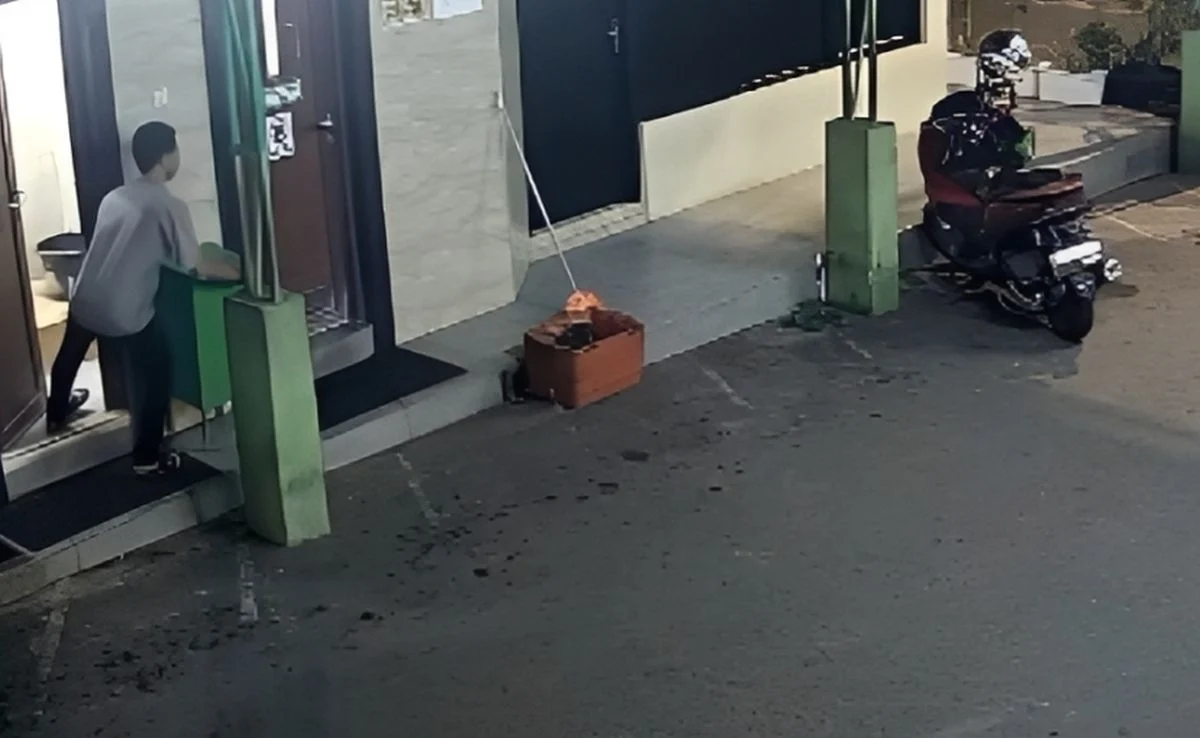
A man identified by the initials P was apprehended by local residents following a failed attempt to steal charity funds from the Al-Ikhlas Mosque located in the Kebayoran Lama district of South Jakarta. The incident, which took place on Tuesday, September 29, 2026, sparked significant local outrage, though the suspect was ultimately secured and handed over to authorities before physical retaliation could occur. This event highlights ongoing security challenges faced by places of worship in urban settings and underscores the vital role of community surveillance in maintaining public order.
Chronology of the Incident
According to detailed accounts provided by Ahmad Ilyas, a member of the Al-Ikhlas Mosque’s management board, the sequence of events began in the late hours of Tuesday. The perpetrator arrived at the mosque grounds under the guise of a visitor, initially attempting to access the main prayer hall.
Security footage retrieved from the mosque’s surveillance system indicates that the suspect had been scouting the perimeter for an extended period. The perpetrator’s primary objective appeared to be the main donation box located within the central prayer area. However, the mosque’s strict security protocols—specifically the locking of the main doors during off-peak hours—thwarted his initial efforts.
Frustrated by the security measures, the suspect shifted his focus to the exterior of the building, targeting a secondary donation box positioned in the outdoor courtyard. It was during this attempt that the suspect’s actions became conspicuous. Local residents, who were alerted by the sudden noise emanating from the courtyard, investigated the disturbance. Upon realizing he had been spotted, the suspect attempted to evade capture by retreating into the mosque’s washroom facility. Alert neighbors quickly surrounded the area, ensuring the individual could not escape while they awaited the arrival of local authorities.
Security Vulnerabilities in Public Spaces
The incident at Al-Ikhlas Mosque serves as a microcosm of a broader security issue affecting religious institutions across Jakarta. Charity boxes, often left in accessible locations to encourage donations, frequently become targets for opportunistic theft due to the perceived lack of high-level security measures in many public-access facilities.
Experts in urban security note that while mosques are traditionally built as open and welcoming spaces for the community, the rising incidence of petty theft has necessitated a shift in management strategies. Many mosques in South Jakarta have begun implementing "hardened" security measures, such as bolt-down charity boxes, high-definition CCTV coverage, and the hiring of private security personnel, particularly during high-traffic prayer times.
The use of CCTV in this specific case proved decisive. Without the visual evidence captured by the mosque’s recording system, the suspect might have successfully argued that his presence in the washroom was legitimate. The footage provided a clear timeline of his reconnaissance efforts, establishing intent beyond a reasonable doubt for the attending officers.
The Role of Community Vigilance
The apprehension of the suspect by residents of Kebayoran Lama demonstrates the efficacy of the "Siskamling" (neighborhood security) system that remains a cornerstone of Indonesian urban safety. By taking swift action and contacting the mosque management, the residents prevented the loss of communal funds while simultaneously ensuring that the suspect was processed through the legal system rather than becoming a victim of vigilante justice.
Ahmad Ilyas emphasized the importance of this communal cooperation during his statement to the media on Wednesday morning. "Our congregation relies on these funds to support community programs, maintenance, and those in need. When someone targets these boxes, they are stealing from the community at large," Ilyas noted. He further urged other places of worship to review their security infrastructure, noting that while the church, temple, or mosque should remain a sanctuary, it must also be protected from criminal elements.
Statistical Context of Petty Theft in Jakarta
Petty theft, including the theft of donation boxes, remains a persistent issue in the Jakarta Metropolitan area. While major crime rates have seen fluctuations due to increased police patrols, crimes of opportunity—often driven by economic desperation or systemic social issues—continue to occur with regularity.
According to municipal data, thefts from public religious sites often peak during times of economic transition or during the lead-up to major holidays. Although the theft of a single donation box may seem minor in the context of city-wide crime, the cumulative impact is significant. Thousands of mosques operate across the city, and the loss of even modest sums of money can disrupt the charitable activities that many of these institutions provide, such as food distribution, scholarship programs, and emergency medical aid for the impoverished.
Legal Implications and Procedural Justice
Following the intervention by the residents, local police from the Kebayoran Lama sector arrived at the scene to take the suspect into custody. The suspect, P, is currently being held at the local precinct for further questioning. Under the Indonesian Criminal Code (KUHP), specifically Article 362 regarding theft, the suspect faces potential imprisonment if convicted.
Legal analysts suggest that the court will likely consider the suspect’s previous criminal record, if any, and the specific circumstances of the theft. The fact that the suspect attempted to access the inner sanctum of the mosque suggests a level of premeditation, which may influence the prosecution’s sentencing recommendation.
Furthermore, the "evacuation" of the suspect by mosque management to prevent an escalation into physical violence is a standard procedural recommendation in Indonesian law enforcement. Police departments frequently advocate for community members to restrain suspects rather than resort to violence, as mob justice often leads to secondary criminal charges for the residents involved and complicates the judicial process.
Future Prevention and Institutional Response
In the wake of this incident, the management of Al-Ikhlas Mosque has announced a series of upgrades to their security protocols. These include the installation of additional lighting in the courtyard and the implementation of a more rigorous monitoring schedule for the CCTV feeds.
Broader implications for the community include a renewed dialogue regarding how to balance the traditional openness of mosques with the modern necessity of crime prevention. Religious leaders in the Kebayoran Lama area are expected to meet in the coming weeks to share best practices regarding security. This collaborative approach aims to create a network of communication between neighboring mosques, allowing them to alert one another of suspicious individuals or recurring security threats.
The incident at Al-Ikhlas serves as a stark reminder that while communal trust is the foundation of a religious institution, proactive management and vigilance are the necessary buffers against those who would exploit that trust for personal gain. As the investigation into the suspect continues, the community of Kebayoran Lama remains focused on restoring the peace and sanctity of their place of worship, ensuring that it remains a safe space for the public. The swift resolution of this case by the local community and the police stands as a testament to the effectiveness of organized neighborhood oversight in the modern metropolitan landscape.