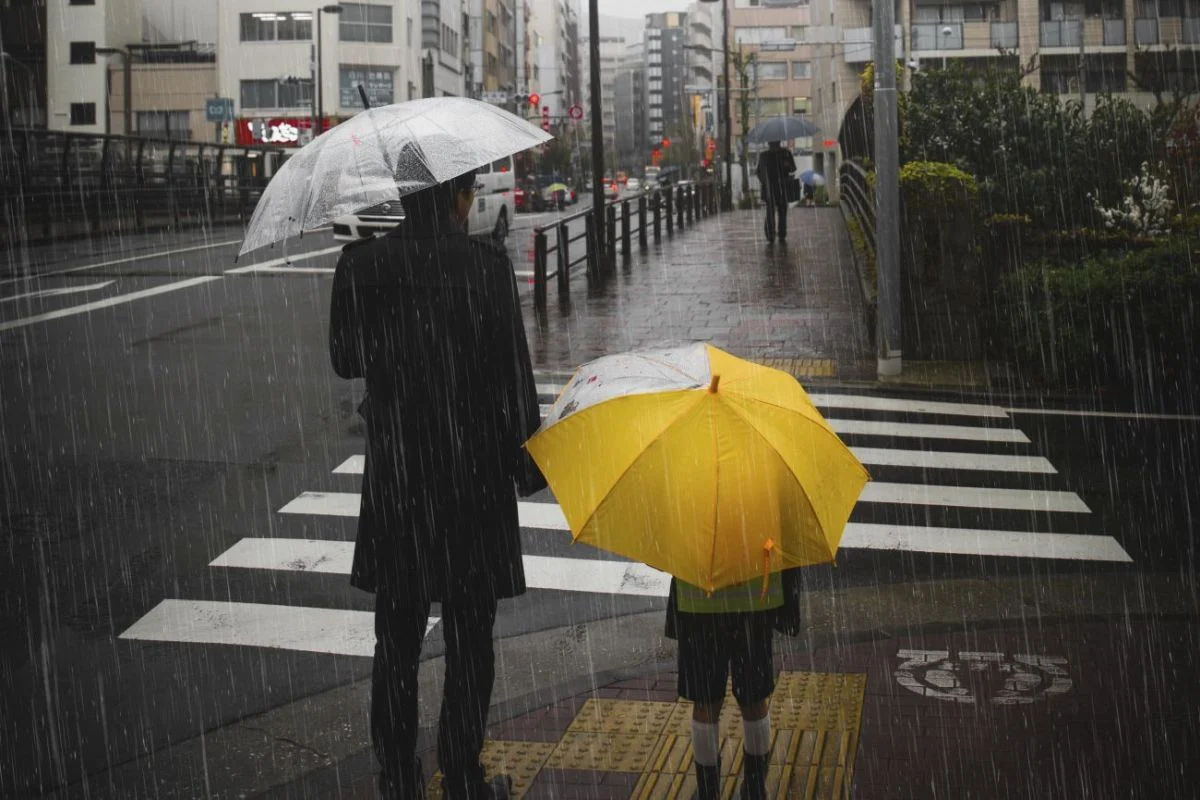
The Meteorology, Climatology, and Geophysics Agency (BMKG) has released its official weather forecast for the Greater Jakarta area (Jabodetabek) for Thursday, October 1, 2026, indicating a heterogeneous climate pattern across the metropolitan region. As the transition period between the dry and wet seasons progresses, residents are advised to prepare for varying atmospheric conditions, ranging from cloudy skies to moderate rainfall, particularly in the southern and eastern corridors of the capital and its satellite cities.
Regional Weather Breakdown
According to the latest data provided by the BMKG, the meteorological landscape for the first day of October reflects the typical volatility associated with seasonal shifts in tropical regions. In the DKI Jakarta province, the coastal area of the Thousand Islands (Kepulauan Seribu) is expected to experience clear, cloudy conditions, offering a reprieve from the precipitation seen in other sectors. Central, North, and West Jakarta are forecasted to remain mostly cloudy throughout the day, providing stable conditions for outdoor activities and commuters.
Conversely, the southern and eastern sections of the capital are under a localized warning for light rain. Jakarta Selatan and Jakarta Timur are expected to see scattered showers, a phenomenon often attributed to convective activity fueled by urban heat islands and topographical influences.
The surrounding satellite cities exhibit a more pronounced potential for precipitation. In West Java, the regency of Bogor—known for its frequent rainfall—is anticipated to experience moderate rain. This forecast extends to the urban centers of Kota Bekasi and Kota Depok, where residents should anticipate similar meteorological patterns. Kabupaten Bekasi is also expected to receive light rainfall. Meanwhile, in the Banten province, the Tangerang region, including both the Regency and the City of Tangerang, is projected to remain cloudy. Data for South Tangerang (Kota Tangerang Selatan) currently remains unspecified by the primary reporting bureau, pending further atmospheric data assimilation.
Seasonal Transitions and Meteorological Context
The weather patterns observed on this date are consistent with the transitional period, commonly referred to in Indonesia as the pancaroba. During this time, the sun’s movement creates significant thermal fluctuations, often leading to rapid cloud development in the afternoons. These localized rain events are typical of the onset of the wet season, which historically gains momentum toward the final quarter of the year.
The BMKG has emphasized that these forecasts serve as a critical tool for disaster mitigation and urban planning. As Jakarta continues to navigate the complexities of climate change, the frequency and intensity of these "transitional" rain events are being closely monitored by hydrologists and urban planners. The interplay between urban development and natural rainfall patterns remains a significant concern for the city’s flood management infrastructure.
Historical Context and Urban Infrastructure
The Jabodetabek region, home to over 30 million people, relies heavily on these daily reports to maintain operational efficiency. The vulnerability of the region to heavy rainfall is well-documented, with historical floods often occurring due to a combination of high-intensity rain and land subsidence.
Since the early 2020s, the regional government has accelerated the "Normalisasi" and "Naturalisasi" projects—efforts to dredge rivers and widen drainage canals to accommodate increased water discharge. While Thursday’s forecast indicates only light to moderate rain, the accumulation of such events over the course of the week can saturate the soil, potentially increasing the risk of localized flooding in low-lying areas or neighborhoods with inadequate drainage systems.
Infrastructure experts note that the resilience of the metropolitan area is constantly tested by these weather events. The management of water flow from the upstream areas—specifically the Bogor regency—is critical to protecting the heart of Jakarta. When Bogor experiences moderate to heavy rain, the downstream impacts on the Ciliwung River are often observed within a 6 to 12-hour window, requiring the provincial government to maintain a state of readiness at the Manggarai sluice gate and other vital water control infrastructure.

Official Responses and Public Safety Protocols
In response to the current weather outlook, local emergency management agencies—such as the Regional Disaster Management Agency (BPBD)—have issued standard operating procedures for the public. These protocols emphasize the importance of monitoring drainage systems and ensuring that waste management practices are strictly followed to prevent blockages that exacerbate localized flooding.
While the current precipitation levels are not classified as extreme, the BMKG urges the public to remain vigilant. In statements issued by regional meteorologists, the public is encouraged to utilize official channels to receive real-time updates. The agency frequently warns that the pancaroba phase is often accompanied by erratic wind speeds and lightning, which can pose risks to electrical infrastructure and outdoor safety.
For commuters and transport operators, the anticipated rain—particularly in the southern and eastern corridors—may lead to reduced visibility and traffic congestion. Historically, traffic flow in Jakarta sees a marked decrease in velocity during rainy conditions, as motorized two-wheeled vehicles often seek shelter under overpasses, causing bottlenecks.
Analysis of Implications for the Region
The meteorological data for October 1, 2026, underscores the necessity of a data-driven approach to urban life in Jabodetabek. The variability of the weather—where one district remains clear while a neighboring one experiences moderate rain—highlights the localized nature of the tropical climate.
From an economic perspective, consistent weather monitoring allows for better logistical planning. The logistics and supply chain sectors, which are vital to the economy of the Greater Jakarta area, rely on these forecasts to optimize delivery routes and mitigate delays caused by weather-induced traffic. Furthermore, the agricultural sector in the outer fringes of Bogor and Bekasi monitors these patterns to optimize planting cycles, as the transition to the rainy season is a pivotal time for local farmers.
The lack of data for South Tangerang in the current report highlights a technical challenge in meteorological data collection—namely, the need for a denser network of automated weather stations (AWS). The integration of more sophisticated sensor technology is an ongoing initiative by the BMKG to bridge these information gaps, ensuring that every municipality has granular, real-time access to accurate weather predictions.
Looking Ahead
As the region moves deeper into October, the BMKG is expected to issue monthly updates regarding the onset of the peak rainy season. Typically, the peak intensity is reached between December and February. Residents are encouraged to view today’s forecast as a reminder of the need for preparedness. The transition phase is often the most unpredictable, characterized by high humidity and varying heat indices that can impact public health, particularly for those prone to respiratory issues.
The regional administration continues to coordinate with central government agencies to enhance early warning systems. These systems are designed to provide alerts to the public via mobile applications and community sirens, ensuring that in the event of severe weather, the response is swift and coordinated.
In conclusion, while Thursday’s weather does not present an immediate catastrophic threat, it serves as a microcosm of the environmental challenges faced by the Jabodetabek region. The ability of the populace to adapt to these daily fluctuations, supported by the rigorous scientific analysis provided by the BMKG, remains a cornerstone of the city’s ability to function effectively. As the day progresses, it is recommended that residents in Bogor, Depok, and East/South Jakarta carry rain gear and stay informed through official updates, ensuring a safe and productive day despite the localized precipitation.
The integration of meteorological data into daily urban life is not merely a convenience but a necessity for the sustainable growth and safety of the Greater Jakarta area. With the transition to the wet season underway, the synergy between government infrastructure projects, public awareness, and precise weather forecasting will determine the resilience of the region in the face of nature’s seasonal rhythms.