The Greater Jakarta metropolitan area, commonly referred to as Jabodetabek, is bracing for a day of atmospheric dichotomy this Tuesday, September 29, 2026. According to the latest meteorological bulletins issued by the Indonesian Agency for Meteorology, Climatology, and Geophysics (BMKG), the region will experience a transition between clear, sun-drenched conditions in the capital city and sporadic, light precipitation across the surrounding satellite cities. As millions of commuters prepare for their daily transit, the weather patterns serve as a reminder of the complex microclimates inherent in the tropical landscape of West Java and Banten provinces.
Regional Meteorological Overview
For residents of DKI Jakarta, the forecast remains largely favorable. Official data indicates that all five administrative cities—Central, North, West, East, and South Jakarta—along with the Thousand Islands (Kepulauan Seribu), will enjoy a day dominated by clear skies. The absence of significant cloud cover is expected to lead to elevated temperatures by midday, a common characteristic of the current transitional season.
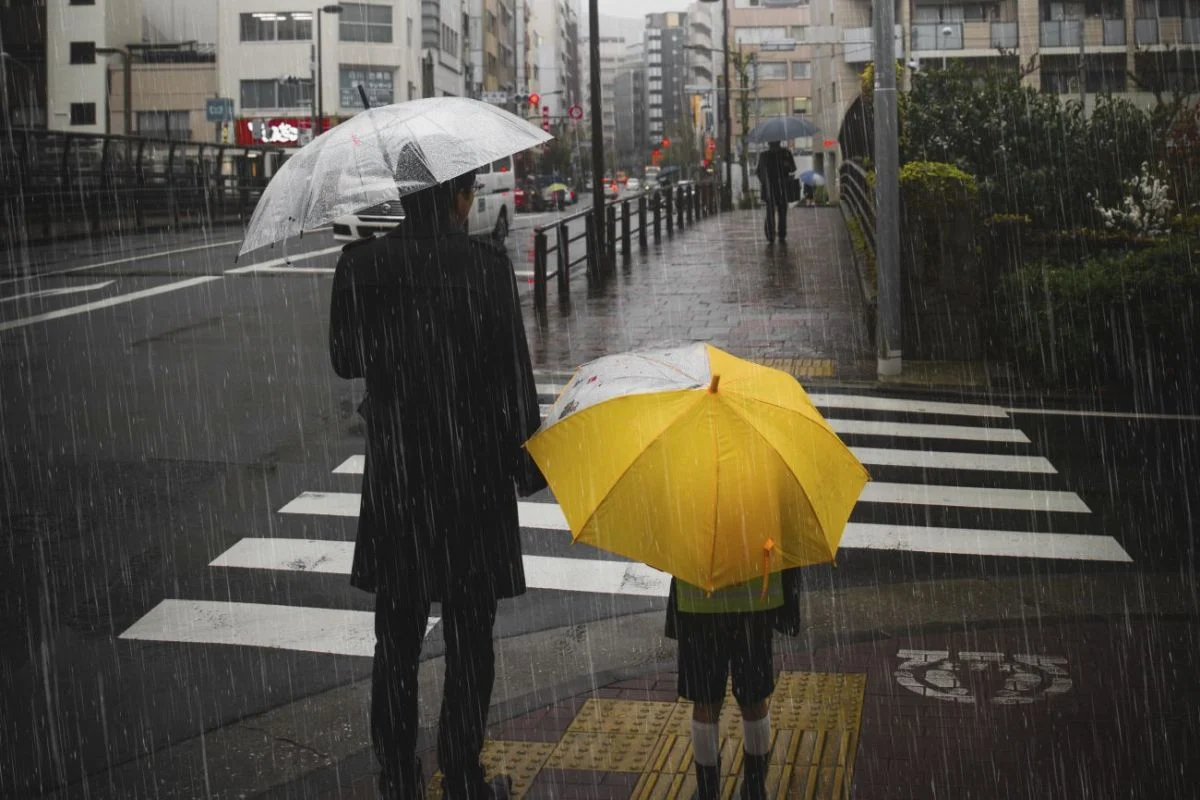
However, the periphery of the capital faces a different outlook. Meteorologists have identified localized instability in the atmospheric pressure over the Bogor, Depok, and Bekasi corridors. Consequently, while the urban heat island effect keeps the central business district relatively dry, the higher elevations of Bogor and the suburban expanses of Tangerang Selatan are likely to see light rain showers, particularly in the afternoon hours.
Detailed Breakdown by Region
The distribution of weather across Jabodetabek highlights the disparate geography of the region. The following breakdown summarizes the anticipated conditions for each area:
- DKI Jakarta: All sectors, including the bustling central hub and coastal regions, are slated for clear, sunny conditions.
- Bogor (City and Regency): Expect light rain. The mountainous terrain of West Java often triggers orographic rainfall, which is expected to manifest as brief, scattered showers by the afternoon.
- Depok: Light precipitation is forecasted. Residents are advised to carry rain gear, as the transition from morning sun to afternoon clouds is a high probability.
- Bekasi (City and Regency): A split forecast exists here. While the City of Bekasi is expected to remain largely clear, the Regency area—which encompasses more rural and industrial landscapes—is anticipated to experience light rain.
- Tangerang (City and Regency): Conditions are expected to be predominantly clear, mirroring the stability seen in Jakarta.
- Tangerang Selatan: Similar to its neighbors in Depok and Bogor, this region is slated for light rainfall.
Meteorological Context: The Transitional Season
The weather in Indonesia is profoundly influenced by the interplay between the Asian Monsoon and the Australian Monsoon. As the region moves through the latter half of 2026, the atmospheric moisture levels are currently subject to the "pancaroba" or transitional period. During this time, the heat-induced evaporation during the morning hours often leads to the rapid formation of convective clouds, which culminate in localized precipitation by the late afternoon.
BMKG analysts have noted that these small-scale, localized rain events are typical for late September. While the current projections do not indicate extreme weather events or severe cyclonic activity, the agency remains in a state of constant monitoring. The satellite imagery from the Himawari-9 satellite, which provides real-time atmospheric data for the Indonesian archipelago, shows a stable air mass over the Java Sea, which is why the coastal areas of North Jakarta and Tangerang remain dry.

Implications for Commuters and Infrastructure
The variability in weather across the metropolitan region holds significant implications for the daily operations of Jabodetabek. With approximately 30 million people residing in the greater metropolitan area, weather-induced traffic fluctuations are a perennial challenge.
- Transportation Logistics: Rain, even in light volumes, frequently leads to reduced visibility and localized "bottlenecks" on key arterial roads such as the Jakarta-Cikampek Toll Road and the Jagorawi Toll Road. Commuters traveling from Bogor toward Jakarta are advised to plan for potential delays should the light rain turn into more persistent precipitation.
- Infrastructure Resilience: The drainage systems in satellite cities like Depok and Tangerang Selatan are often tested by even minor rainfall. Municipal authorities have historically emphasized the importance of clearing gutters and drainage channels to prevent water stagnation, which can exacerbate traffic congestion.
- Health Considerations: The fluctuating temperatures—shifting from intense morning heat to cooler, rain-moistened air—can impact public health. Medical professionals often suggest that citizens remain hydrated and prepared for rapid changes in temperature, which can contribute to fatigue or the onset of common seasonal illnesses.
Official Guidance and Safety Measures
The BMKG consistently advises the public to prioritize information from official sources rather than unverified reports circulating on social media. The agency provides a 24-hour monitoring service, accessible via their mobile application and official website.
In the event of unexpected weather changes, the regional disaster mitigation agencies (BPBD) in Jakarta, West Java, and Banten remain on standby. While today’s forecast is relatively benign, the BPBD encourages residents in low-lying areas, particularly those near the Ciliwung or Cisadane river basins, to remain vigilant. The light rain predicted for the Bogor region, while not expected to cause significant river rises, serves as a standard reminder of the city’s dependence on the upper-stream weather patterns.
Long-term Climate Trends in the Region
Analyzing the climate data for the past decade, Jabodetabek has seen an increase in the intensity of localized weather events. Urbanization has significantly altered the surface albedo and thermal capacity of the land, leading to more frequent "micro-bursts" of rain. This phenomenon, where a small area receives a high volume of rain while a neighboring district remains completely dry, is becoming a staple of the regional climate.
Experts in urban planning suggest that these weather patterns necessitate more robust, green-infrastructure solutions. The integration of "sponge city" concepts—designed to absorb, store, and purify rainwater—is increasingly viewed as a necessary evolution for cities like Jakarta, Bekasi, and Depok. By increasing the permeability of the urban landscape, authorities hope to mitigate the impact of the unpredictable precipitation that defines the current seasonal cycle.
Conclusion
As the day progresses, the weather across Jabodetabek will remain a tale of two environments: the clear, bright expanse of the capital and the damp, cloudy periphery of the satellite cities. While the forecast for Tuesday, September 29, 2026, suggests no major weather-related threats, the residents of the Greater Jakarta area are encouraged to remain informed and prepared for the localized shifts that characterize this dynamic climate zone.
For those planning outdoor activities or commuting across city lines, the most prudent course of action is to monitor the hourly updates provided by the BMKG. By staying attuned to the specific conditions of their destination, citizens can navigate the day with greater confidence, ensuring that the day’s weather remains a minor, manageable factor in their daily routines rather than a significant disruption. As the meteorological data evolves throughout the day, the commitment of the authorities to provide accurate, real-time information remains the cornerstone of public safety in one of the world’s most populous and weather-sensitive regions.