The vibrant intersection of urban lifestyle, community engagement, and animal welfare took center stage in the Indonesian capital as the much-anticipated Dog Does Disco (DDD) event concluded its successful three-day run. Held from September 25 to September 27, 2026, at the prominent Central Park Mall in Jakarta, the landmark festival marked its 14th consecutive year of operation. The milestone celebration drew widespread attention from animal lovers, local entrepreneurs, and government officials alike, highlighting the exponential growth of the pet-friendly culture within Indonesia’s metropolitan centers.
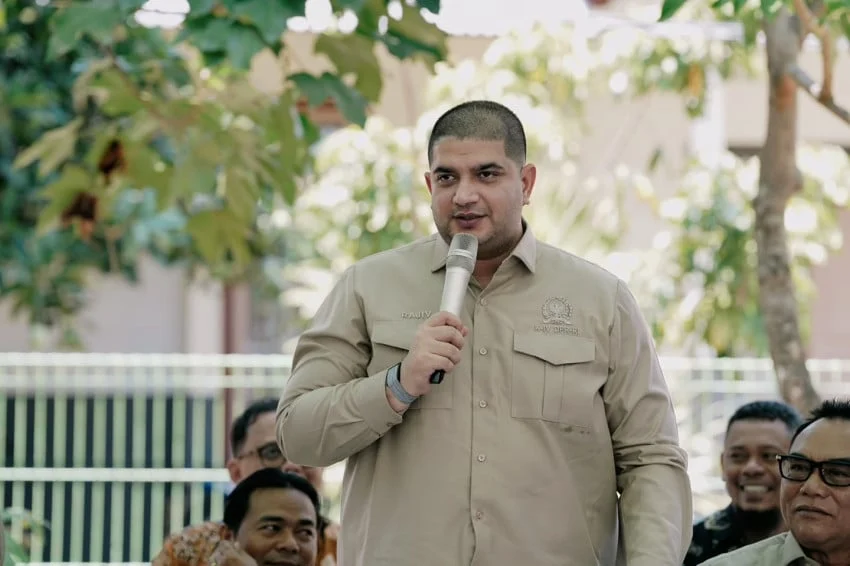
Among the prominent figures acknowledging the socio-economic and cultural significance of the festival was Rajiv, a member of Commission IV of the House of Representatives (DPR RI). Representing the NasDem Party, Rajiv issued an official statement on Monday, September 28, 2026, praising the organizers and the venue for maintaining a consistent, high-standard platform for pet owners and animal welfare advocates over more than a decade. The event not only served as a recreational hub but also underscored the evolving relationship between urban communities and their companion animals.
A Decade-Plus Evolution of Jakarta’s Premier Pet Festival
The origins of Dog Does Disco trace back to humble beginnings, starting as a modest gathering of passionate pet owners and animal welfare enthusiasts—fondly referred to locally as "anabul" (anak bulu, or fur babies) lovers. Over the past fourteen years, what began as a niche weekend meetup has systematically evolved into one of Jakarta’s most recognizable lifestyle events.
The sustained longevity of Dog Does Disco speaks volumes about shifting societal attitudes toward domestic animals in Indonesia. In the early stages of the event’s inception over a decade ago, public infrastructure and commercial spaces in Jakarta were largely restricted regarding pet access. Events like Dog Does Disco played a pioneering role in demonstrating that domestic animals, particularly dogs, could be integrated into public urban spaces safely, responsibly, and harmoniously.
By continuously partnering with Central Park Jakarta—a venue renowned for its pet-friendly policies and expansive outdoor park areas—the organizers have institutionalized an annual calendar fixture. The festival has continuously adapted to modern trends, incorporating agility courses, veterinary consultations, adoption drives, pet fashion shows, and interactive entertainment zones that cater to both seasoned pet owners and the general public.
Record-Breaking Turnout and Economic Impact
The 2026 edition of Dog Does Disco shattered previous engagement metrics, reflecting a broader post-pandemic surge in pet ownership across urban Indonesia. According to official operational estimates released following the event, the three-day festival successfully attracted approximately 12,000 human visitors, alongside roughly 600 participating dogs of various breeds, sizes, and backgrounds.
This impressive influx of foot traffic generated tangible economic benefits for local small and medium-sized enterprises (SMEs). The event area featured dozens of curated pop-up booths and vendor stalls specializing in premium pet nutrition, specialized healthcare products, bespoke accessories, grooming services, and sustainable pet-friendly lifestyle merchandise.
Economic analysts note that the pet care industry in Indonesia has experienced double-digit growth over the past five years. Events such as Dog Does Disco serve as vital commercial catalysts, allowing local independent brands to showcase innovative products directly to a targeted, highly engaged consumer base without prohibitive traditional marketing costs. Furthermore, the event fostered strategic collaborations between local pet brands, veterinary associations, and animal shelter organizations, bridging the gap between commerce and compassionate animal care.
Legislative Recognition: Rajiv Highlights Community-Driven Social Movement
The socio-cultural weight of the 14th Dog Does Disco did not go unnoticed by national policymakers. Rajiv, speaking in his capacity as a legislator on Commission IV of the DPR RI—which oversees agriculture, environment, forestry, and maritime affairs—emphasized that the event transcends mere entertainment. He pointed out that the festival represents a mature, well-organized community movement capable of driving positive behavioral changes in society.
"I greatly appreciate that Dog Does Disco has entered its 14th year alongside Central Park," Rajiv stated in his formal release on Monday. "Targeting around 600 dogs and approximately 12,000 visitors over the course of three days clearly demonstrates that public enthusiasm and awareness continue to develop at a remarkable pace."
Rajiv further elaborated on the transition of individual hobbyism into organized civic responsibility. He underscored that collective gatherings centered around animal welfare often cultivate deeper empathy, public hygiene awareness, and adherence to animal rights standards among urbanites.
"Dog Does Disco proves empirically that a genuine affection for animals can naturally develop into a positive, highly consistent community movement," Rajiv added. His remarks reflect a growing legislative understanding that animal welfare and community-led lifestyle initiatives contribute to the psychological well-being and social cohesion of dense urban populations like Jakarta.
Broader Implications for Urban Animal Welfare and Public Policy
The resounding success of the 2026 Dog Does Disco festival illuminates several broader trends and policy implications regarding urbanization, animal husbandry, and public space management in Indonesia.
First, the event highlights an escalating demand for genuinely pet-friendly urban infrastructure. As vertical living (apartments and condominiums) becomes the norm for young professionals and families in Jakarta, pets play an increasingly vital role in emotional health and companionship. However, urban planners frequently lag in designating safe, accessible green spaces for pet recreation. The longevity of Central Park’s partnership with Dog Does Disco serves as a practical blueprint for property developers and city planners, proving that commercial viability and pet inclusivity can coexist profitably.
Second, the structural growth of such festivals aids animal welfare advocacy on a national scale. Large gatherings provide an ideal platform for non-profit animal rescue organizations and shelters to educate the public on responsible pet ownership, mandatory vaccinations, sterilization programs, and the dangers of illegal animal trade. By embedding educational campaigns within a festive, high-energy environment, organizers can reach demographic segments that traditional awareness drives might otherwise miss.
Finally, the supportive stance voiced by federal lawmakers such as Rajiv signals a progressive alignment between civil society activities and legislative oversight. While Commission IV primarily manages macro-level agricultural and environmental policies, recognizing grassroots movements like Dog Does Disco encourages a holistic view of national welfare—one that acknowledges the emotional and societal value of human-animal bonds in modern Indonesian society.
As Dog Does Disco concludes its 14th chapter, stakeholders, organizers, and community members are already looking forward to future editions. The event stands as a testament to the power of shared passions, proving that what began as a small gathering of animal lovers has matured into a cornerstone of Jakarta’s contemporary urban culture.