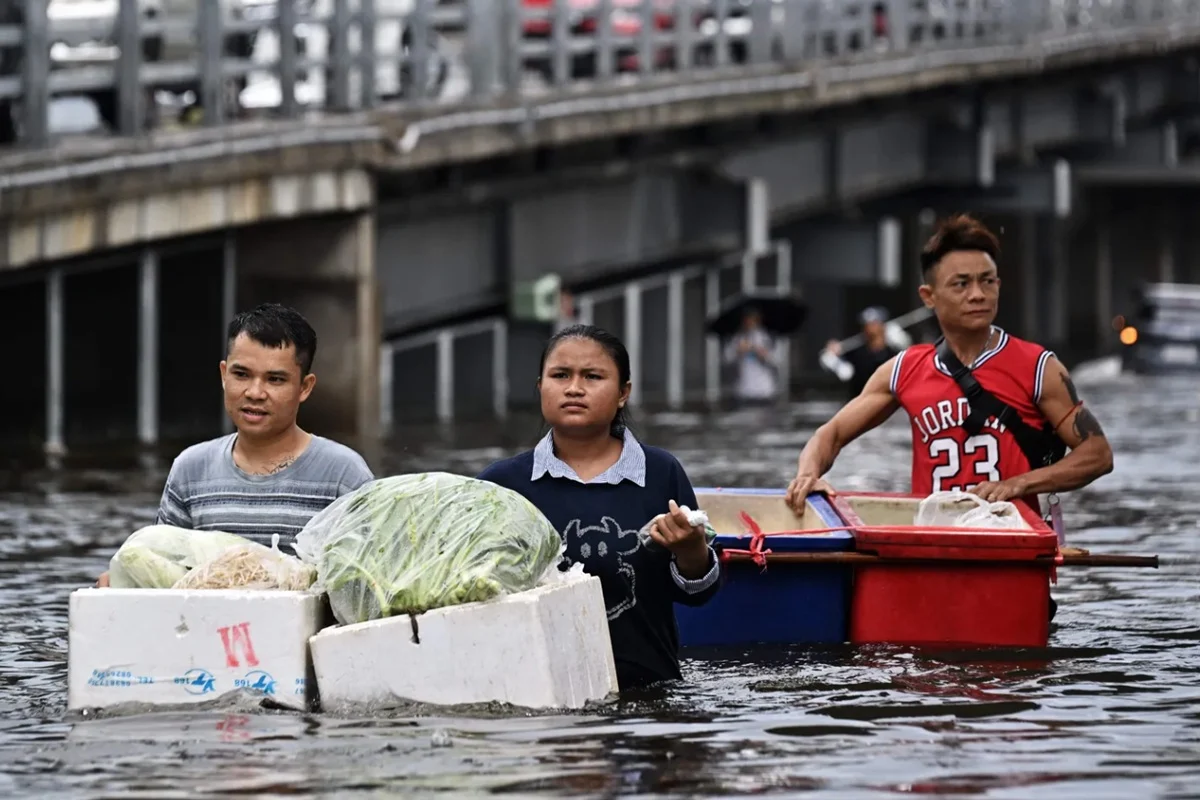
A devastating surge of extreme weather has gripped Southeast Asia, leaving a trail of destruction across Myanmar and Thailand as torrential rainfall triggered widespread flooding and landslides. As of Monday, September 28, 2026, the combined death toll from the disaster has reached at least 18 people, with local authorities and rescue organizations fearing the number could rise significantly as search and rescue operations continue in difficult-to-reach terrain.
The crisis, fueled by an intense, lingering weather system that has pummeled the region for several days, has paralyzed infrastructure, displaced thousands of families, and highlighted the increasing vulnerability of the Mekong sub-region to the escalating effects of climate change.
The Situation in Myanmar: A Humanitarian Struggle
In Myanmar, the southern region of Tanintharyi has emerged as the epicenter of the catastrophe. Following relentless downpours that began on the night of Friday, September 25, 2026, the region saw rivers breach their banks and hillsides collapse, burying homes and cutting off entire communities.
Myo Min, the chairman of the Dawei Zabuthiri Emergency Medical Services—a volunteer group operating on the front lines—provided a sobering assessment of the situation. He noted that the geography of Tanintharyi, combined with the severity of the rainfall, has rendered many villages accessible only by foot. Hundreds of displaced residents have sought refuge in local monasteries, which have become makeshift shelters amidst the rising waters.
"We do not have a finalized count yet, but our preliminary assessments indicate that between seven and ten people have lost their lives," Myo Min stated. Furthermore, the search is ongoing for 20 to 30 individuals who remain missing. The rescue efforts are significantly hampered by the region’s terrain and the ongoing political instability within the country.
The civil conflict currently plaguing Myanmar has added a layer of complexity to disaster relief. With restricted access to certain conflict-affected zones and limited infrastructure, humanitarian organizations are struggling to conduct comprehensive damage assessments. This lack of transparency and logistical hurdles often masks the true scale of natural disasters in the country, leaving vulnerable populations in a precarious state of uncertainty.
Thailand’s Battle Against the Rising Tide
Across the border, Thailand is grappling with a different, yet equally severe, manifestation of the same weather system. By the weekend, the persistent rains had caused extensive flooding in Bangkok and surrounding districts. The city, which is already prone to seasonal inundation, struggled to manage the volume of water, leading to the designation of several areas as disaster zones.
According to the Bangkok Metropolitan Administration (BMA), the impact has been widespread. Nearly 4,900 people have been officially evacuated to government-run shelters, while roughly 52,000 families across the capital region have reported significant damage to their homes, businesses, and essential infrastructure. Roads have been turned into waterways, and public transportation networks have faced major disruptions, complicating the delivery of relief supplies to those in need.
Nationwide, the statistics are equally alarming. Since mid-September, the prolonged rainy season has affected more than 1.7 million people in Thailand. Eight confirmed fatalities have been linked to the flooding so far, though officials remain on high alert as water levels in some provinces continue to fluctuate.
Chronology of the Disaster
The current deluge is the culmination of a week-long atmospheric event that intensified rapidly.
- September 25: Heavy rainfall began across the Tanintharyi region of Myanmar and the southern provinces of Thailand, marking the onset of the extreme weather system.
- September 26: As precipitation intensified, flash flooding was reported in rural Myanmar, while low-lying areas in Bangkok began to experience urban inundation.
- September 27: The situation deteriorated in Bangkok, leading the BMA to declare an official flood disaster status. Rescue teams in Myanmar struggled to reach isolated villages in Tanintharyi.
- September 28: Emergency services continued their recovery efforts. The death toll was revised upward, and the focus shifted toward preventing the spread of waterborne diseases in displacement centers.
Climate Vulnerability and Environmental Context
The dual tragedy in Myanmar and Thailand serves as a stark reminder of the region’s climate risk profile. Myanmar, in particular, is consistently ranked among the top ten most vulnerable countries to climate-induced disasters, according to indices maintained by organizations such as Germanwatch.
The combination of deforestation, rapid urban development in floodplains, and the increased frequency of extreme weather events—often linked to shifts in monsoon patterns—has created a "perfect storm" for disaster. Meteorological experts note that the current system is characterized by "stationary rain bands," which hold water over specific geographical areas for extended periods, far exceeding the drainage capacities of local infrastructure.
In Bangkok, the challenge is compounded by land subsidence and the city’s low elevation relative to sea level. Decades of groundwater extraction and the weight of massive urban sprawl have caused parts of the city to sink, making it increasingly difficult for floodwaters to recede naturally.
Institutional Responses and Public Impact
The governments of both nations have been under pressure to provide immediate relief. In Thailand, the government has mobilized the military and local disaster prevention departments to distribute food, clean water, and medical kits to affected families. Prime Minister and other high-ranking officials have toured the affected districts, promising accelerated drainage efforts and long-term financial assistance for those who have lost their livelihoods.
In Myanmar, the response remains decentralized, largely relying on civil society groups like the Dawei Zabuthiri volunteers. The absence of a robust, unified state-led response has led to criticisms from humanitarian observers, who argue that the intersection of political crisis and climate disaster requires a more coordinated international approach.
International aid agencies, including those affiliated with the United Nations, are monitoring the situation, though access remains a critical point of contention. The primary concern for the coming week is the threat of secondary disasters, including the spread of diseases such as dengue fever and cholera, which often thrive in the aftermath of flood events due to contaminated water supplies.
Looking Ahead: Long-Term Implications
The events of late September 2026 are likely to trigger a renewed debate regarding climate adaptation and urban planning in Southeast Asia. For Thailand, the focus will likely shift toward the necessity of upgrading its "sponge city" infrastructure, which includes the construction of more green spaces and subterranean water-retention tunnels.
For Myanmar, the tragedy highlights the urgent need for a climate resilience strategy that transcends political divisions. Without the ability to safely navigate flood-prone zones and coordinate nationwide disaster responses, the country remains at the mercy of every monsoon season.
As the waters begin to recede in some parts of Bangkok and the initial rescue phase concludes in Tanintharyi, the focus will inevitably turn to recovery. However, for the 18 families who have lost loved ones, and for the thousands displaced, the road to normalcy will be long. The resilience of these communities is being tested, and the frequency of such events suggests that these challenges will only grow more frequent and severe in the years to come.
As of Monday evening, local authorities in both nations have urged citizens to remain vigilant, as weather forecasts indicate that while the most intense rain has passed, the risk of landslides and subsequent flooding remains high in saturated areas. The global community continues to watch as the region navigates this difficult chapter, emphasizing the necessity of regional cooperation in the face of an increasingly volatile climate.