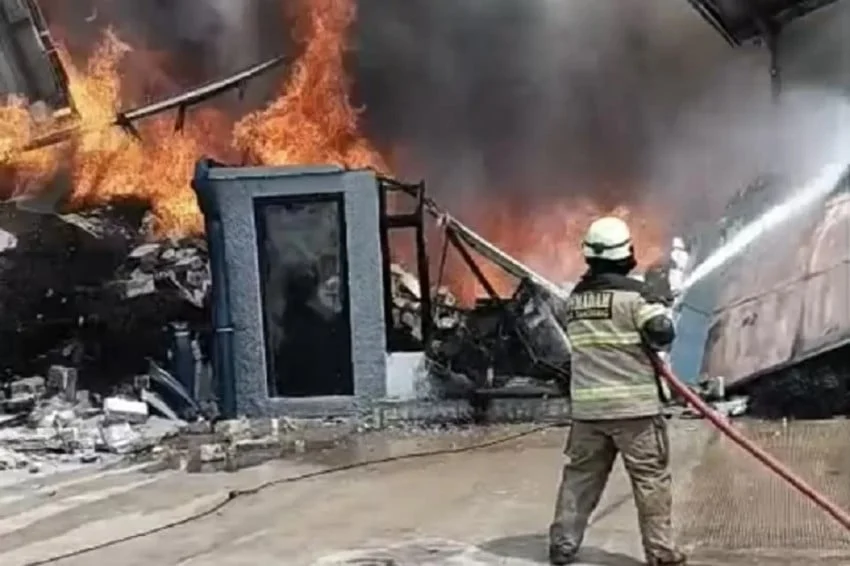
A major fire incident struck a residential apartment complex located on Jalan Teluk Intan, RT 07/RW 16, in the densely populated neighborhood of Penjaringan, North Jakarta, on Sunday, September 20. The emergency, which originated from a technical failure within an electrical panel, quickly escalated as flammable materials and structural airflow allowed the flames to leap across multiple levels. The blaze ultimately ravaged five separate floors of the high-rise building, triggering a massive emergency response, displacing dozens of residents, and prompting local authorities to reassess fire safety protocols in high-density urban residential complexes.
The incident underscores ongoing vulnerabilities in vertical housing infrastructure within major metropolitan areas, where electrical overloads and mechanical failures continue to pose significant safety hazards. While prompt deployment by local firefighting units prevented catastrophic structural collapse and major casualties, the logistical challenges of evacuating high-rise buildings during peak hours remain a critical concern for municipal emergency planners.
Origin of the Fire: The Electrical Panel Failure on the Eighth Floor
According to initial incident reports compiled by the North Jakarta Fire and Rescue Sub-department (Sudin Gulkarmat), the fire commenced on the eighth floor of the apartment building. The primary ignition source was identified as a severe electrical short circuit—commonly referred to as korsleting—within the building’s centralized electrical distribution panel.
Gatot Sulaeman, the Head of Operations for Sudin Gulkarmat North Jakarta, detailed the initial moments of the crisis. He stated that the building’s internal security personnel detected the electrical anomaly and immediately attempted to contain the situation using portable fire extinguishers, locally known as Alat Pemadam Api Ringan (APAR). Despite their swift intervention, the intensity of the electrical arc and the rapid accumulation of heat overwhelmed the capacity of the handheld extinguishers.
Electrical short circuits remain one of the leading causes of structural fires in urban Indonesia. Aging electrical grids, unauthorized modifications to circuit breakers, and increased power demands from modern domestic appliances frequently push building infrastructure beyond its designed capacity. In high-rise residential buildings, vertical cable shafts can act as natural chimneys, allowing electrical fires to travel rapidly upward or outward into adjacent corridors and residential units if containment doors or fire-rated seals fail.
Rapid Escalation: How the Flames Spread Across Five Floors
Following the failure of the initial containment efforts by building security, the fire rapidly breached the confines of the eighth-floor electrical housing. Fueled by combustible materials found in common hallways, wiring insulation, and structural components, the flames gained momentum within minutes.
Gatot Sulaeman explained that the fire subsequently jumped across architectural boundaries, extending horizontally and vertically to four additional floors. In total, five floors of the apartment complex were directly impacted by the blaze, fire damage, or severe smoke exposure. Official damage assessments indicate that the cumulative affected area spanned approximately 156 square meters.
The rapid vertical propagation of the fire created immediate panic among residents residing on the affected floors and the levels above. Dense, toxic black smoke billowed through stairwells and corridors, reducing visibility to near zero and complicating self-evacuation efforts. In high-rise emergency scenarios, smoke inhalation typically poses a far greater immediate threat to human life than direct thermal burns. The accumulation of carbon monoxide and other toxic combustion byproducts can incapacitate individuals within minutes, making the role of building ventilation systems and smoke extraction equipment critically important.
Emergency Response and Evacuation Operations
The distress call regarding the Penjaringan apartment fire was logged by the Jakarta Fire and Rescue Department dispatch center, triggering an immediate and coordinated multi-unit response. Emergency vehicles, including multiple fire engines, rescue trucks, and paramedic units, navigated through tight urban thoroughfares to reach the scene on Jalan Teluk Intan.

Upon arrival, firefighters established an incident command post, deployed high-pressure hoses to combat the vertical flames, and initiated systematic search and rescue sweeps across the affected floors. Concurrently, building management and local community leaders assisted in directing residents toward primary and secondary evacuation routes.
A total of 53 individuals were successfully evacuated from the building during the operation. Emergency medical personnel established a triage area outside the complex to assess evacuees for signs of smoke inhalation, minor burns, and psychological shock. Thanks to the rapid deployment of firefighting personnel and the cooperation of residents, no fatalities were reported at the scene, and severe injuries were kept to a minimum.
The successful evacuation of 53 people highlights the importance of regular fire drills and clear signage in high-rise residential properties. However, emergency responders noted that parked vehicles blocking narrow access roads surrounding the complex temporarily hindered the positioning of heavy fire apparatus, a recurring operational challenge in Jakarta’s densely populated neighborhoods.
Broader Context and Urban Safety Implications
The Sunday afternoon incident in Penjaringan serves as a stark reminder of the safety challenges inherent in the rapid vertical expansion of housing in Indonesia’s urban centers. As land scarcity drives developers to build higher and pack more residential units into smaller footprints, the density of human habitation increases the potential impact of localized accidents.
Electrical safety compliance in older or mid-tier apartment buildings is an area of growing regulatory scrutiny. Building codes mandate regular maintenance and inspection of electrical panels, wiring insulation, and backup safety systems. However, compliance enforcement varies, and property management entities sometimes defer costly electrical upgrades until structural failures occur.
Furthermore, the Penjaringan incident brings attention to the readiness of internal fire suppression systems within high-rise residential complexes. While many modern skyscrapers are equipped with sprinkler systems, smoke detectors, and automated alarm networks, older or mid-scale apartments often rely heavily on manual intervention, such as APAR units and dry risers, which require immediate and effective human operation to prevent disaster.
In the wake of the fire, urban planning analysts and safety advocates have called for a comprehensive review of fire safety audits across all medium and high-rise residential buildings in Jakarta. Key recommendations include:
- Mandatory quarterly inspections of all primary and secondary electrical distribution panels by certified electrical engineers.
- Upgrading internal fire suppression technology to include automated sprinkler heads and heat-activated shutoff valves in high-risk zones.
- Enforcing strict parking and access road regulations around residential complexes to ensure unhindered passage for emergency vehicles.
- Conducting mandatory, recurring fire safety education and evacuation simulations for all registered apartment occupants.
Conclusion and Next Steps
As the smoke cleared from Jalan Teluk Intan, local authorities initiated a formal forensic investigation to determine the exact technical failure that triggered the short circuit on the eighth floor. Investigators from the Jakarta Metropolitan Police, alongside technical experts from the Fire and Rescue Department, are examining remnants of the electrical panel to ascertain whether negligence, equipment aging, or systemic overload contributed to the disaster.
For the 53 evacuated residents, temporary shelter arrangements have been coordinated by local neighborhood associations and municipal social agencies while structural engineers assess the safety of the affected floors. Power and utility services to the damaged zones remain shut off pending comprehensive repairs and safety clearance certifications.
The Penjaringan apartment fire underscores the delicate balance between urban growth and structural safety. As Jakarta continues to evolve as a vertical megacity, rigorous oversight, proactive infrastructure maintenance, and community preparedness remain the primary lines of defense against preventable urban catastrophes.