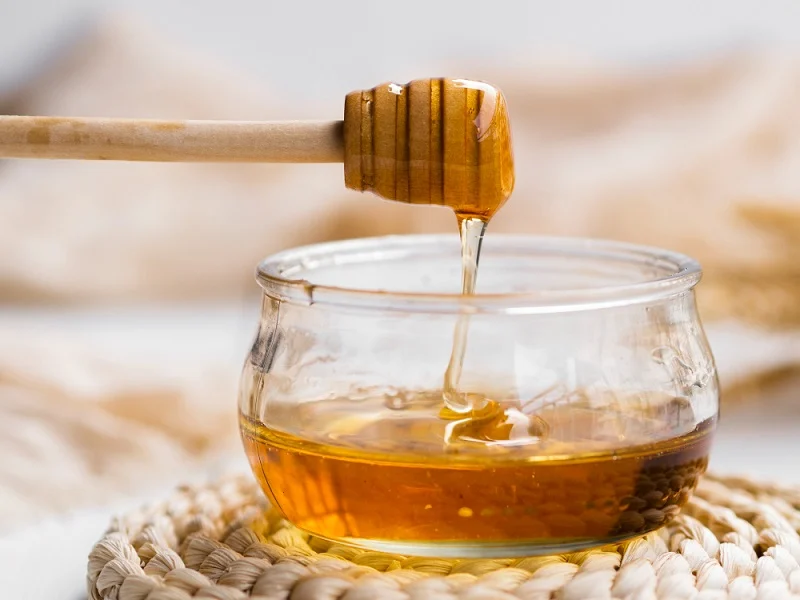
The current surge in Influenza A cases has prompted a significant public health discussion regarding the appropriate management of respiratory symptoms, particularly among the pediatric population. As healthcare facilities report an uptick in patients presenting with persistent coughs, medical professionals are urging parents to move away from the reflex of continuous medication, advocating instead for more balanced, evidence-based recovery strategies, including the use of natural therapeutic agents like honey.
The Current Landscape of Respiratory Infections
In recent months, health authorities have observed a notable increase in influenza activity. Influenza A, a virus known for its ability to cause seasonal epidemics, has manifested with symptoms that are particularly taxing on the respiratory system. For many parents, the onset of a heavy, lingering cough in their children triggers an immediate sense of urgency, often leading to the excessive administration of over-the-counter (OTC) cough suppressants and expectorants.
However, clinical experts warn that this approach may be counterproductive. The physiological response to Influenza A involves inflammation of the bronchial passages, which naturally requires a period of cellular repair. Rushing this process with pharmacological interventions that are not strictly necessary can lead to unnecessary side effects and may mask the underlying healing process.
Medical Perspective on Symptom Duration
Dr. Ardi Santoso, a prominent Pediatric Specialist, has emphasized the importance of managing parental expectations regarding the recovery timeline. According to Dr. Santoso, the cough associated with Influenza A is often a residual symptom of the body’s immune response rather than an indicator of a secondary infection requiring constant medication.
"We are currently seeing a high volume of influenza cases, and it is vital for the public to exercise caution," Dr. Santoso stated in a recent advisory. "A post-viral cough can persist for up to two weeks as the respiratory tract heals. This does not imply that the patient requires a steady stream of cough medication for the entire duration of that period. Medications should be utilized judiciously and based on the specific clinical presentation of the child."
The Role of Honey as a Therapeutic Intervention
As a clinical alternative to synthetic cough syrups, medical experts are increasingly highlighting the efficacy of honey. Far from being a mere folk remedy, honey has gained recognition in medical literature for its soothing properties and ability to act as a demulcent—a substance that forms a film over a mucous membrane to relieve minor pain and inflammation.
Dr. Santoso advocates for the use of honey as a supportive therapy, provided the child is over the age of one. "For children aged one and older, as well as adults, honey can be administered in dosages of two to five milliliters per day. It serves as an effective, natural way to coat the throat, which helps in mitigating irritation and reducing the frequency of cough episodes," he explained.
The medical rationale behind this recommendation is rooted in the viscosity of honey, which effectively coats the pharyngeal mucosa, providing a protective barrier against external irritants. This mechanism is particularly effective at night, helping to reduce sleep disturbances caused by nocturnal coughing.

Chronology and Patterns of the Recent Surge
The current wave of Influenza A began to show a statistical upward trend in late August 2026. Data from primary care clinics indicate that the surge peaked in mid-September, with schools and community centers reporting high rates of absenteeism.
Historically, influenza patterns fluctuate based on environmental factors, seasonal transitions, and viral mutations. This year, the virus has shown a higher degree of transmissibility, resulting in a larger cohort of symptomatic patients. By mid-September, the clinical focus shifted from emergency management to long-term recovery and symptom maintenance, as many patients entered the post-acute phase of the illness, characterized primarily by the persistent, dry cough that has become the hallmark of this season’s outbreak.
Analysis of Over-Medication Risks
The trend of parents seeking "quick fixes" for respiratory symptoms is a growing concern among pediatricians. The pharmaceutical market is flooded with multi-symptom cold and cough medications, many of which contain combinations of antihistamines, decongestants, and antitussives.
Public health analysts note that when these medications are administered to children for extended periods—beyond the initial acute phase—the risks of adverse reactions increase. These risks include dizziness, tachycardia, gastrointestinal distress, and in rare cases, neurological complications. By recommending natural alternatives like honey, physicians are attempting to reduce the "medication burden" on pediatric patients, prioritizing immune system recovery over the mere suppression of symptoms.
Broader Public Health Implications
The shift toward more conservative, evidence-based symptom management has significant implications for healthcare systems. By reducing the unnecessary use of OTC medications, families can avoid excessive medical expenditures and reduce the potential for drug-related complications.
Furthermore, this approach encourages parents to monitor their children for "red flag" symptoms—such as high fever, difficulty breathing, or lethargy—which are the true indicators that professional medical intervention is required. In essence, the medical community is advocating for a more "patient" approach to recovery, recognizing that the human body possesses a robust capacity for self-repair following a viral insult.
Safety Precautions and Guidelines
While honey is a recommended therapeutic, medical professionals emphasize essential safety guidelines:
- Age Restriction: Honey should never be given to infants under the age of 12 months due to the risk of infant botulism, a rare but serious illness caused by Clostridium botulinum spores.
- Quality Control: Parents are advised to use high-quality, pasteurized honey to ensure it is free from contaminants.
- Clinical Monitoring: While honey can soothe a cough, it is not a substitute for medical treatment if the child’s condition worsens, if breathing becomes labored, or if the fever does not subside after 48 hours.
Conclusion
As the community navigates the remainder of the influenza season, the consensus among medical practitioners is clear: patience and simple, proven supportive therapies are the best tools for recovery. The reliance on continuous medication is often unnecessary and potentially harmful. By integrating natural agents like honey into a recovery plan under the guidance of a physician, parents can ensure that their children recover safely and effectively from the lingering effects of Influenza A.
The emphasis remains on clinical observation rather than reactive suppression. As recovery progresses, the cough will naturally diminish as the respiratory system restores its integrity. In the meantime, the medical community continues to monitor the situation, urging the public to maintain good hygiene practices—such as frequent handwashing and avoiding contact with symptomatic individuals—to curtail the further spread of the virus. Through education and the adoption of balanced health practices, the impact of the current influenza wave can be effectively managed, ensuring that the health and well-being of the population remain the primary focus.