The ongoing investigation by the Corruption Eradication Commission (KPK) into alleged bribery and gratification regarding the management of Building Use Rights (HGB) certificates in Bogor Regency, West Java, has placed the Ministry of Agrarian Affairs and Spatial Planning/National Land Agency (ATR/BPN) under intense public scrutiny. As the institution responsible for land administration, the ministry now finds itself at the center of a judicial storm involving the conversion of HGB titles into Freehold Titles (SHM), a process often prone to regulatory exploitation.
The Genesis of the Corruption Allegations
The investigation, spearheaded by the KPK, centers on the intricate processes surrounding land managed by major property developers, specifically involving Summarecon in the Bogor region. According to the Acting Director of Investigations at the KPK, Achmad Taufik Husein, the case originated from applications to either extend existing HGB certificates or subdivide them into individual SHMs.
The conflict intensified when it was discovered that portions of the land in question were subject to ongoing legal disputes. Several heirs, who claim to hold legitimate SHM titles to the land, challenged the legality of the administrative actions taken by the West Java Regional Office of ATR/BPN and the Bogor Land Office (Kakantah). The legal friction escalated into a formal lawsuit filed at the Bandung Administrative Court (PTUN), targeting the issuance of nine SHGB certificates that the plaintiffs argue were granted in violation of existing land rights.
KPK investigators allege that the administrative processing of these documents was not merely a bureaucratic matter but was facilitated by illicit payments. The identification of eight suspects marks a significant escalation in the agency’s efforts to clean up the land certification sector, which has historically been flagged by the Ombudsman and other watchdogs as a high-risk area for corruption.
Chronology of the Land Dispute
The timeline of these events suggests a prolonged period of administrative opacity. The dispute likely began when the developers initiated the certification process for land that had overlapping claims. By seeking to convert HGB to SHM, developers aim to increase the value and marketability of their projects. However, when such applications involve land currently under litigation or claimed by third parties, the ATR/BPN officials involved are expected to pause the process until the disputes are resolved.
The failure to observe these legal hurdles led the heirs to seek intervention from the Bandung Administrative Court. This legal challenge served as a catalyst for the KPK to investigate whether the issuance of these certificates was influenced by bribery, effectively bypassing the due diligence required by the Basic Agrarian Law.
The Stance of the Ministry and Minister Nusron Wahid
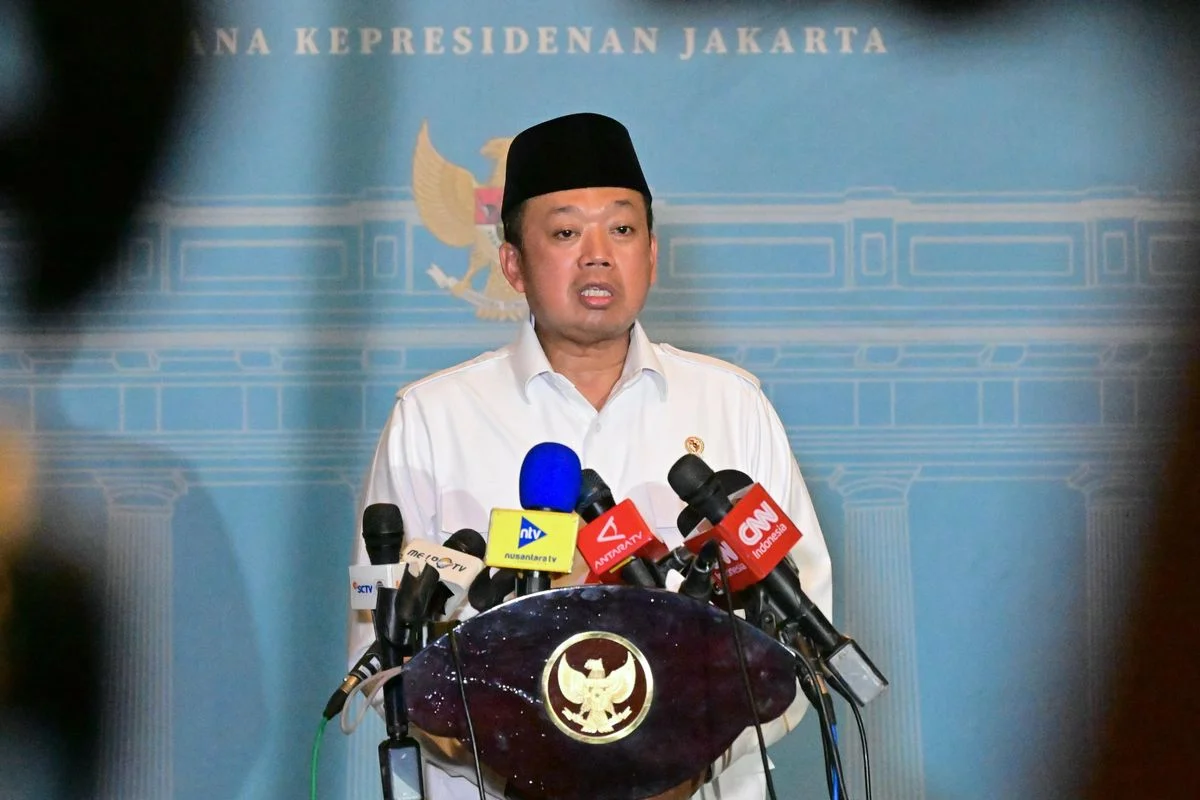
Minister of Agrarian Affairs and Spatial Planning/Head of the National Land Agency (ATR/BPN) Nusron Wahid has addressed the controversy with a promise of full transparency. In an official statement, Nusron emphasized the ministry’s commitment to upholding the rule of law and cooperating with the anti-graft agency.
"First, we respect the process being carried out by law enforcement agencies, in this case, the KPK. We will follow the procedures and assist in the investigation," Nusron stated. This response is viewed by political analysts as an attempt to maintain institutional integrity while the ministry undergoes an internal audit of its licensing processes. By distancing the ministry’s policy framework from the alleged individual misconduct of its officials, Nusron seeks to preserve the credibility of the ATR/BPN under his administration.

Financial Profile: Nusron Wahid’s LHKPN Disclosure
As the head of a ministry tasked with managing the most sensitive assets in the nation—land—the personal financial disclosure of the Minister is subject to high public interest. According to the 2025 State Official Wealth Report (LHKPN), Nusron Wahid has declared a total net worth of Rp22.76 billion.
The LHKPN serves as a vital tool for the KPK to monitor the wealth accumulation of public officials. While the reported figure of Rp22.76 billion is a matter of public record, it also serves as a baseline for anti-corruption watchdogs to cross-reference against his tenure in office. Transparent reporting is a mandatory requirement for all cabinet ministers, and any unexplained variance in future filings could trigger further scrutiny. Nusron’s wealth profile, comprising real estate, cash, and other assets, is expected to remain under the watchful eye of both the public and oversight bodies as the current corruption scandal unfolds within his ministry.
Systematic Implications for the ATR/BPN
The scandal involving the Bogor land certificates highlights broader structural vulnerabilities within the Indonesian land administration system. The transition from manual to digital land services—a program actively promoted by the government—is intended to reduce direct contact between applicants and officials, thereby minimizing opportunities for bribery. However, this case suggests that even within digital frameworks, the exercise of administrative discretion regarding the validity of land titles remains a bottleneck.
If the corruption allegations are proven, they may indicate that systemic "middle-man" operations still exist within regional land offices. The implications for the property sector are significant:
- Investor Confidence: Uncertainty over land titles is a major deterrent for foreign and domestic direct investment. Prolonged litigation and corruption scandals make property development inherently risky.
- Policy Reform: The KPK’s intervention may force a re-evaluation of how the ATR/BPN handles land disputes. Increased oversight of the "HGB-to-SHM" conversion process is likely to become a priority in the coming months.
- Legal Precedent: The outcome of the Bandung PTUN case and the subsequent KPK trial will set a legal precedent for how conflicting land claims are handled by administrative authorities in the future.
Analysis of the Regulatory Environment
The land sector in Indonesia is governed by a complex web of regulations, including the Basic Agrarian Law of 1960. While the law is intended to protect landowners and streamline development, the reality on the ground often involves a tug-of-war between large corporations and individual landholders. The case of the Summarecon land in Bogor is a textbook example of the "land mafia" phenomenon, where administrative power is leveraged to prioritize commercial interests over established individual property rights.
The involvement of eight suspects suggests that this was not a localized error but a coordinated effort to influence the outcome of bureaucratic procedures. For the KPK, the challenge lies in proving that the financial incentives provided to officials directly influenced the issuance of the certificates, thereby satisfying the legal threshold for bribery and gratification under the Anti-Corruption Law.
Conclusion and Looking Ahead
As the investigation progresses, the ATR/BPN faces a critical juncture. The ability of the ministry to clean its own ranks will determine the success of the government’s land reform agenda. For Minister Nusron Wahid, the challenge is twofold: managing the legal fallout of the current scandal while simultaneously accelerating the digitalization of the land registry to prevent similar incidents in the future.
Public confidence in the land registry system remains fragile. The resolution of this case will be a litmus test for the government’s commitment to eradicating corruption in the civil service. The KPK has signaled that it will continue to follow the evidence, regardless of where it leads, ensuring that the process of securing land rights in Indonesia remains transparent, fair, and legally sound. As the trial date approaches, the nation watches to see whether these arrests will lead to a broader cleanup of the land administration sector or if they remain isolated incidents in a long-standing pattern of bureaucratic malpractice.