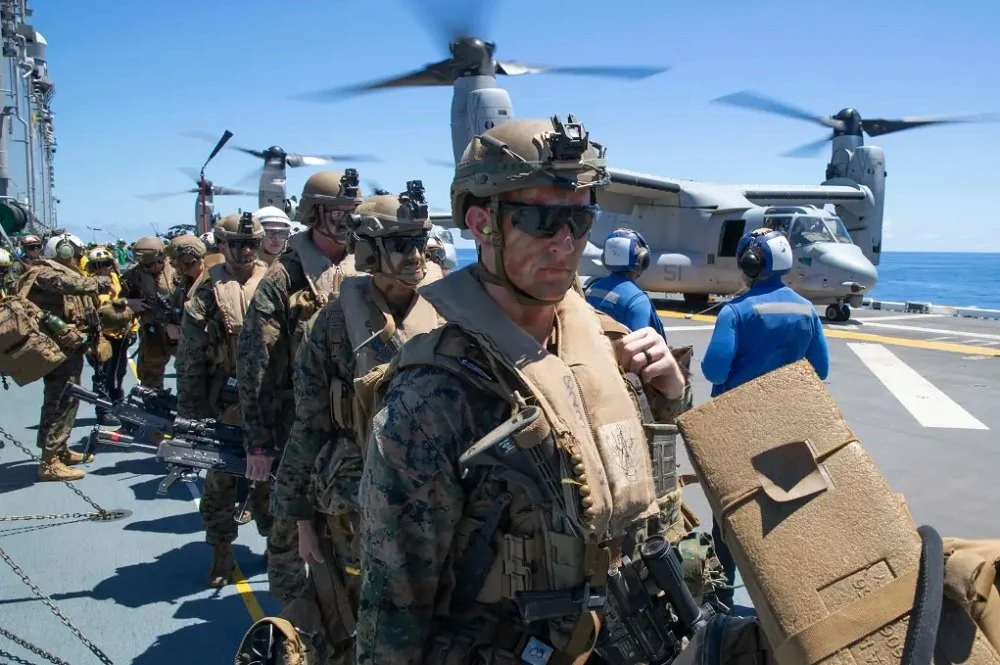
The financial burden of the ongoing military operations involving the United States and Iran has reached a staggering milestone, with total costs estimated at USD 43.6 billion, equivalent to more than IDR 706 trillion, as of September 3, 2026. This figure, disclosed by the United States Central Command (CENTCOM) to members of Congress, underscores the accelerating fiscal impact of a conflict that has significantly altered the geopolitical landscape of the Middle East since its inception earlier this year.
The Fiscal Escalation of a Protracted Conflict
The latest data provided by CENTCOM, which oversees American military operations across the Middle East, reveals a rapid depletion of resources since the commencement of coordinated operations by the United States and Israel on February 28, 2026. According to a detailed report published by the Congressional Budget Office (CBO) on September 15, 2026, the cumulative cost of the campaign stood at USD 38 billion as of August 1.
The trajectory of spending is particularly concerning for fiscal hawks in Washington. The CBO estimates that the operational tempo requires a sustained expenditure of approximately USD 3 billion per month. This figure is highly sensitive to the intensity of combat; should the military engagement escalate further, the monthly burn rate could rise significantly, straining the Department of Defense’s budgetary allocations for the remainder of the fiscal year.
The most recent figures, reviewed by The Associated Press on September 18, highlight an alarming surge in the expenditure on high-precision weaponry and munitions. Within a single month, costs associated with armaments rose from USD 21.7 billion to USD 28.1 billion—an increase of more than USD 6 billion. This rapid expenditure reflects the high-intensity nature of the conflict, necessitating constant resupply of sophisticated missile defense systems, drone technology, and advanced aerial munitions used to neutralize threats within the theater of operations.
Chronology of the 2026 Iran-US Conflict
The current escalation follows a period of heightened regional volatility that culminated in late February 2026. Below is a timeline of the major developments:
- February 28, 2026: Official commencement of joint US-Israeli military operations targeting Iranian military infrastructure, following months of increased tensions and regional proxy skirmishes.
- March – May 2026: Initial phase focused on establishing air superiority and degrading Iranian long-range missile capabilities. Costs during this period were primarily front-loaded due to the mobilization of naval and air assets.
- June 15, 2026: The first major Congressional oversight hearing is held to address the mounting costs of the intervention and the lack of a clear exit strategy.
- August 1, 2026: The CBO releases its baseline estimate, noting that the war had already consumed USD 38 billion.
- September 3, 2026: CENTCOM updates the cost projection to USD 43.6 billion, citing increased consumption of munitions and extended deployment cycles for naval carrier strike groups.
- September 15, 2026: The CBO confirms the USD 3 billion monthly average expenditure rate, warning of potential impacts on other defense priorities if the conflict persists into 2027.
Operational Challenges and Military Readiness
The financial figures represent only one facet of the broader operational reality. For the Department of Defense, the challenge is not merely fiscal but logistical. Sustaining high-tempo operations in the Middle East requires the continuous rotation of personnel and the maintenance of expensive hardware, including the F-35 and F-22 fighter jets, as well as the Aegis-equipped destroyers that form the backbone of the maritime security effort.
Military analysts point out that the high cost of munitions, such as the interceptors used to counter drone swarms and ballistic missiles, is a significant driver of the spending surge. "We are seeing a trend where the cost per kill for the United States is disproportionately high compared to the low-cost assets utilized by our adversaries," notes a defense analyst. This asymmetry places immense pressure on the Pentagon’s procurement budget, as the rapid expenditure of sophisticated missiles depletes inventories faster than domestic manufacturing bases can replenish them.
Broader Economic and Geopolitical Implications
The economic shockwaves of the conflict extend far beyond the direct military budget. Global energy markets have remained volatile, with crude oil prices fluctuating in response to reports of potential disruptions to shipping lanes in the Persian Gulf. This uncertainty has created a ripple effect, contributing to inflationary pressures in the United States and among key trading partners in Europe and Asia.
Furthermore, the conflict has forced a recalibration of US foreign policy. By focusing military and diplomatic resources on the Iranian front, the administration has had to navigate the risks of being overextended in other theaters, particularly regarding ongoing commitments to security in the Indo-Pacific and Eastern Europe. The "opportunity cost" of the war is now a frequent topic of debate in academic and policy circles, with critics arguing that the billions spent in the Middle East could have been directed toward domestic infrastructure, semiconductor production, or long-term technological research.
Domestic Political Fallout and the Midterm Elections
The timing of the rising war costs is particularly fraught for the political establishment in Washington. With the congressional midterm elections scheduled for November 2026, the fiscal burden of the conflict has become a central campaign issue. The Republican Party, currently facing the challenge of defending its majority in the face of public fatigue regarding foreign entanglements, has increasingly criticized the administration’s handling of the war.
Polling data suggests that a significant segment of the electorate is concerned about the impact of the war on the national deficit and the potential for a prolonged "forever war" scenario. The lack of a clear, definitive victory condition has allowed opponents to frame the conflict as a drain on American taxpayer money that yields diminishing returns. As the November elections approach, the political cost of the war—measured in voter dissatisfaction—may prove to be as significant as the financial cost measured in billions of dollars.
Official Responses and Future Outlook
The White House and the Pentagon have maintained that the military intervention is a "necessary component of national security," aimed at preventing nuclear proliferation and safeguarding regional allies. In recent briefings, spokespeople for the Department of Defense have emphasized that the current spending levels are "monitored closely" and that the military is working to optimize the use of existing inventories to mitigate costs where possible.
However, internal friction remains. Several key lawmakers, including those on the House and Senate Appropriations Committees, have demanded greater transparency regarding the long-term funding requirements for the conflict. There is growing sentiment on Capitol Hill that the current "open-ended" funding structure must be replaced with a more rigorous, time-bound oversight mechanism to prevent further fiscal slippage.
As the conflict moves into the final quarter of 2026, the combination of mounting financial costs, volatile energy prices, and the impending electoral deadline suggests that the administration will face increasing pressure to provide a coherent path toward de-escalation. Whether the United States can maintain its strategic objectives while curbing the unsustainable growth of its military expenditures remains the central question of the coming months. The intersection of fiscal responsibility and national defense strategy will likely define the policy landscape for the remainder of the year and into the next legislative session.
Ultimately, the USD 43.6 billion figure serves as a stark reminder that in the modern era of warfare, the cost of engagement is measured not only in blood and territory but in the systematic strain placed upon the national economy. As the data continues to update, policymakers must weigh the immediate imperatives of security against the long-term necessity of fiscal stability.