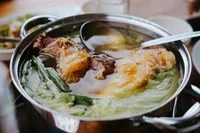
The arrival of winter in Japan, typically spanning from December to February, triggers a significant shift in both social behavior and culinary consumption. As temperatures across the archipelago plummet—often reaching sub-zero levels in northern regions like Hokkaido and Tohoku—the domestic demand for high-calorie, thermal-comfort cuisine surges. This phenomenon, rooted in centuries of Japanese tradition, centers on the concept of "warmth from within." During this period, the culinary landscape transitions from the lighter, refreshing dishes of summer to dense, protein-rich, and steaming hot preparations known collectively as "comfort foods." These dishes serve not only as a means of physical thermoregulation but also as a staple of communal dining, fostering social cohesion during the isolating cold months.
The Science and Sociology of Japanese Winter Cuisine
From a physiological perspective, the human body’s metabolic rate increases during winter to maintain a core temperature of approximately 37 degrees Celsius. Consequently, the preference for calorie-dense meals containing complex carbohydrates and high-quality proteins is a natural biological response. Beyond the biological necessity, the sociological importance of Japanese winter food cannot be overstated. The culture of nabemono (hot pot) dining, where a single pot is placed in the center of the table, reinforces the communal ethos of Japanese society.
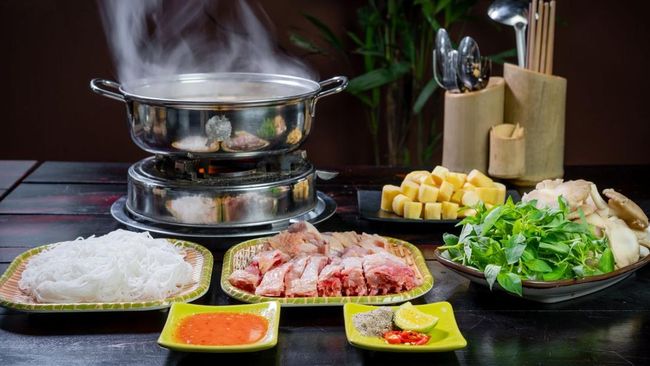
Market data from the Japanese Ministry of Agriculture, Forestry and Fisheries consistently indicates a spike in the retail sales of root vegetables, miso, and soup stocks during the fourth quarter of the calendar year. This surge aligns with the seasonal harvest and the necessity for preserved ingredients that have been staples of the Japanese diet for generations.
1. Ramen: The Evolution of a Cultural Icon
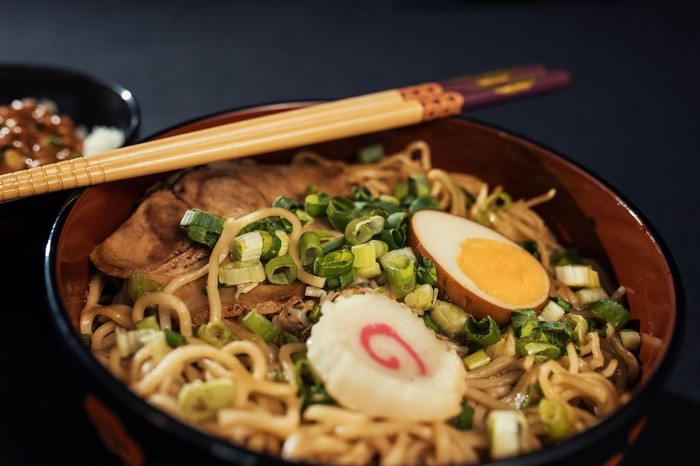
Ramen remains the quintessential Japanese comfort food, transcending its origins as a working-class meal to become a global culinary phenomenon. During winter, the consumption of ramen in Japan reaches its annual zenith. The dish’s architectural complexity—comprising wheat-based alkaline noodles, a rich dashi or animal-based broth, and a variety of toppings—provides the thermal energy required to endure harsh winds.
The regional diversity of ramen is particularly relevant in winter. For instance, Sapporo’s miso-based ramen was explicitly developed to combat the brutal winters of Hokkaido. The inclusion of lard or oil on the surface of the broth acts as an insulating layer, trapping the steam and heat within the bowl for a longer duration. Historical records suggest that the integration of miso into ramen gained prominence in the mid-20th century as a way to provide laborers with sustained energy throughout the day. Today, health experts note that while ramen is nutrient-dense, the high sodium content requires a balanced intake, leading many modern establishments to offer reduced-salt versions of these traditional winter warmers.
2. Oden: The Street-Side Winter Essential
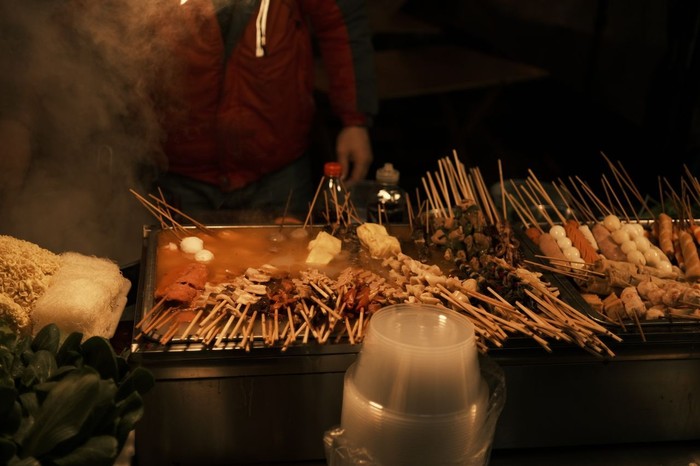
Oden is perhaps the most evocative symbol of the Japanese winter cityscape. These braised items—including daikon radish, boiled eggs, konjac, and fish cakes—are simmered for extended periods in a light, soy-flavored dashi broth. The historical roots of Oden trace back to the Muromachi period, initially beginning as dengaku (miso-glazed tofu). Over centuries, it evolved into the modern, ubiquitous dish sold at convenience stores and small street stalls known as yatai.
The economic impact of Oden is significant for the retail sector. Major Japanese convenience store chains, such as 7-Eleven and Lawson, report that Oden sales typically commence in late August or early September and peak between November and January. This seasonal strategy is a textbook example of "anticipatory consumption," where the availability of warm, accessible food influences consumer traffic during cold weather. The nutritional profile of Oden is notably favorable, as the cooking method involves minimal fat and emphasizes plant-based fibers, making it a popular choice for health-conscious consumers seeking a light yet satiating meal.
3. Shabu-Shabu: The Art of Precision Dining
Shabu-shabu, a Japanese adaptation of the Chinese hot pot, represents the refined end of the winter dining spectrum. The dish is named after the onomatopoeic sound of the meat being swished—shabu-shabu—through boiling water or kelp-infused broth. Unlike other hot pot styles that involve long simmering, shabu-shabu emphasizes the preservation of the texture and flavor of premium ingredients, particularly thin-sliced wagyu beef.
The preparation of shabu-shabu serves as a ritual of care and attention. By requiring the diner to cook each piece individually, it mandates a slower pace of eating, which has been linked to better digestion and increased satiety. From a nutritional standpoint, the combination of high-quality protein and a wide array of leafy greens, such as bok choy and shungiku (garland chrysanthemum), provides a robust balance of vitamins and minerals. The dish is usually accompanied by two traditional dipping sauces: ponzu (citrus-based soy sauce) and goma (sesame sauce), both of which are designed to enhance, rather than mask, the flavor of the ingredients.
4. Sukiyaki: A Legacy of Sweet and Savory Warmth
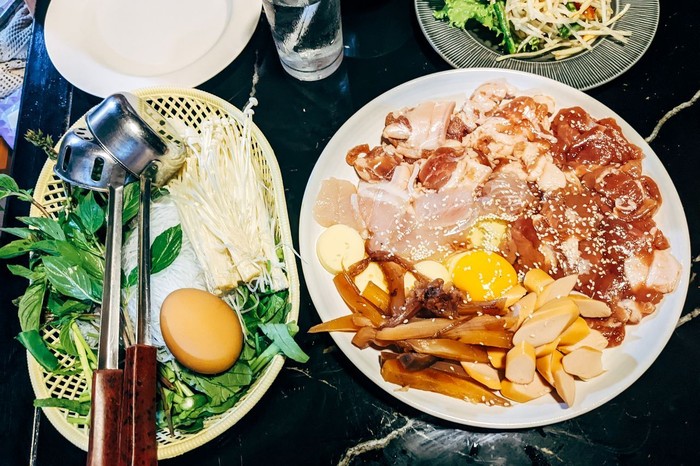
Sukiyaki distinguishes itself from shabu-shabu through its cooking method and flavor profile. While shabu-shabu is cooked in a light broth, sukiyaki is prepared in a shallow iron pan using a mixture of soy sauce, sugar, and mirin, known as warishita. This results in a rich, caramelized, and savory-sweet flavor that deeply permeates the ingredients.
The history of sukiyaki is deeply tied to the Meiji Restoration, a period that saw the modernization of Japan and the gradual lifting of cultural taboos against consuming red meat. Once a rare indulgence, it has become a standard household dish for celebratory winter gatherings, particularly during the end-of-year bonenkai (year-end parties). The standard inclusion of raw egg as a dipping sauce acts as a temperature moderator and provides a creamy, rich texture, elevating the dish’s sensory experience. Analysts note that sukiyaki remains a staple of high-end dining, often serving as a barometer for household disposable income during the winter holiday season.
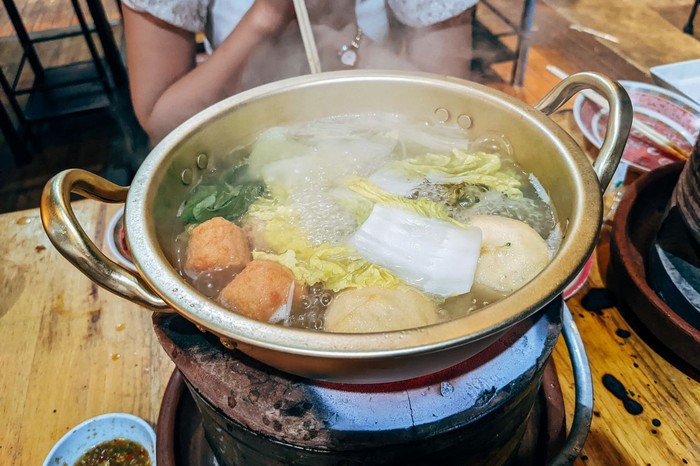
5. Chanko Nabe: The Powerhouse of Nutrition
Chanko nabe is arguably the most nutritionally dense of all Japanese winter dishes. Historically associated with the training stables of professional sumo wrestlers, it was designed specifically to facilitate weight gain and provide the immense caloric intake necessary for the sport. Despite this, when consumed by the general public, it serves as a balanced, high-protein meal that is highly effective for recovery and general wellness.
The preparation of chanko nabe is governed by a philosophy of "no waste." It typically contains a wide variety of proteins—including chicken meatballs, fish, and tofu—and an exhaustive list of seasonal vegetables. The broth is usually protein-fortified through the use of chicken stock or dashi. Recent years have seen a shift in how chanko nabe is marketed, moving away from its exclusive association with sumo training toward a broader health-conscious audience. Many restaurants now offer "light" versions that prioritize low-calorie vegetables while maintaining the traditional depth of flavor.
Broader Economic and Health Implications
The persistence of these five dishes in the modern Japanese diet highlights a successful marriage of tradition and adaptation. While modern heating and climate-controlled infrastructure have reduced the existential threat of the cold, the cultural attachment to these "comfort foods" remains strong. This is reflected in the hospitality sector, where hotels and ryokans (traditional inns) in snowy regions like Nagano and Hokkaido utilize these specific menus as key components of their winter tourism packages.
From a public health perspective, the emphasis on cooked, vegetable-rich, and fermented (miso-based) foods is generally aligned with the longevity observed in the Japanese population. The ritualistic nature of these meals—often involving the preparation and consumption of food in a shared space—also provides psychological benefits, mitigating the seasonal affective disorders that can emerge during the shorter, darker days of winter.
As Japan continues to navigate the complexities of globalized food markets, these traditional dishes stand as pillars of national identity. Whether through the humble street-side Oden stall or the sophisticated table of a sukiyaki restaurant, these foods offer more than just caloric intake; they offer a sense of continuity and comfort in an ever-changing world. For the average citizen or the visiting tourist, these dishes serve as the ultimate remedy for the winter chill, ensuring that despite the falling temperatures, the warmth of Japanese culinary heritage remains steadfast.