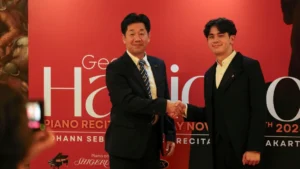
The Agung Rai Museum of Art (ARMA) in Ubud, Bali, stands as a cornerstone of Indonesia’s cultural preservation, marking its 30th anniversary with a profound artistic dialogue that transcends the generational divide. By hosting the G3N Project, the museum serves as the stage for a compelling intersection between two distinct creative voices: the internationally acclaimed maestro Heri Dono and the emerging contemporary artist Sherry Winata. This exhibition, titled "A World Seen Otherwise" for Heri Dono and "The Divine Flow" for Sherry Winata, encapsulates a broader initiative to foster cross-generational exchange, running from November 29, 2026, to January 29, 2027.
The Institutional Context: Celebrating Three Decades of ARMA
The Agung Rai Museum of Art has long functioned as more than a gallery; it is a repository of Indonesian identity and a sanctuary for artists whose works navigate the complexities of tradition and modernity. Celebrating its 30th anniversary is a milestone that necessitates an introspection into the evolution of Indonesian art. The G3N Project, by curating a duo-exhibition of such contrasting styles, aims to address the continuity of the Indonesian creative spirit.
By inviting artists who occupy different ends of the career spectrum, the museum underlines the importance of mentorship and the fluidity of artistic language. The collaboration between the G3N Project, the Museum and Cagar Budaya (MCB) unit of the National Gallery of Indonesia, and Studio Kalahan provides the necessary infrastructure to bring such a complex, multi-layered exhibition to the public.
Heri Dono: Four Decades of Satiric Innovation
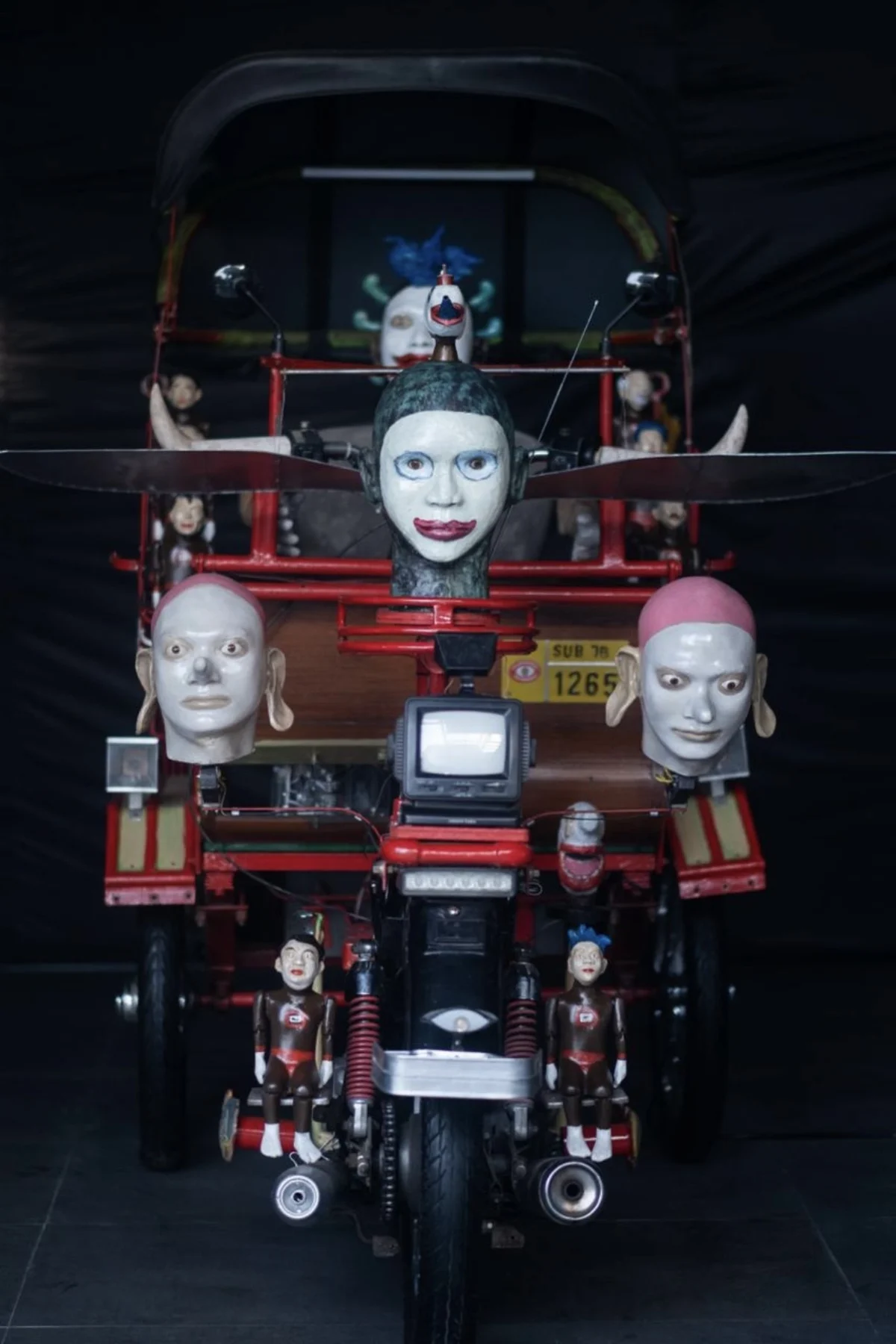
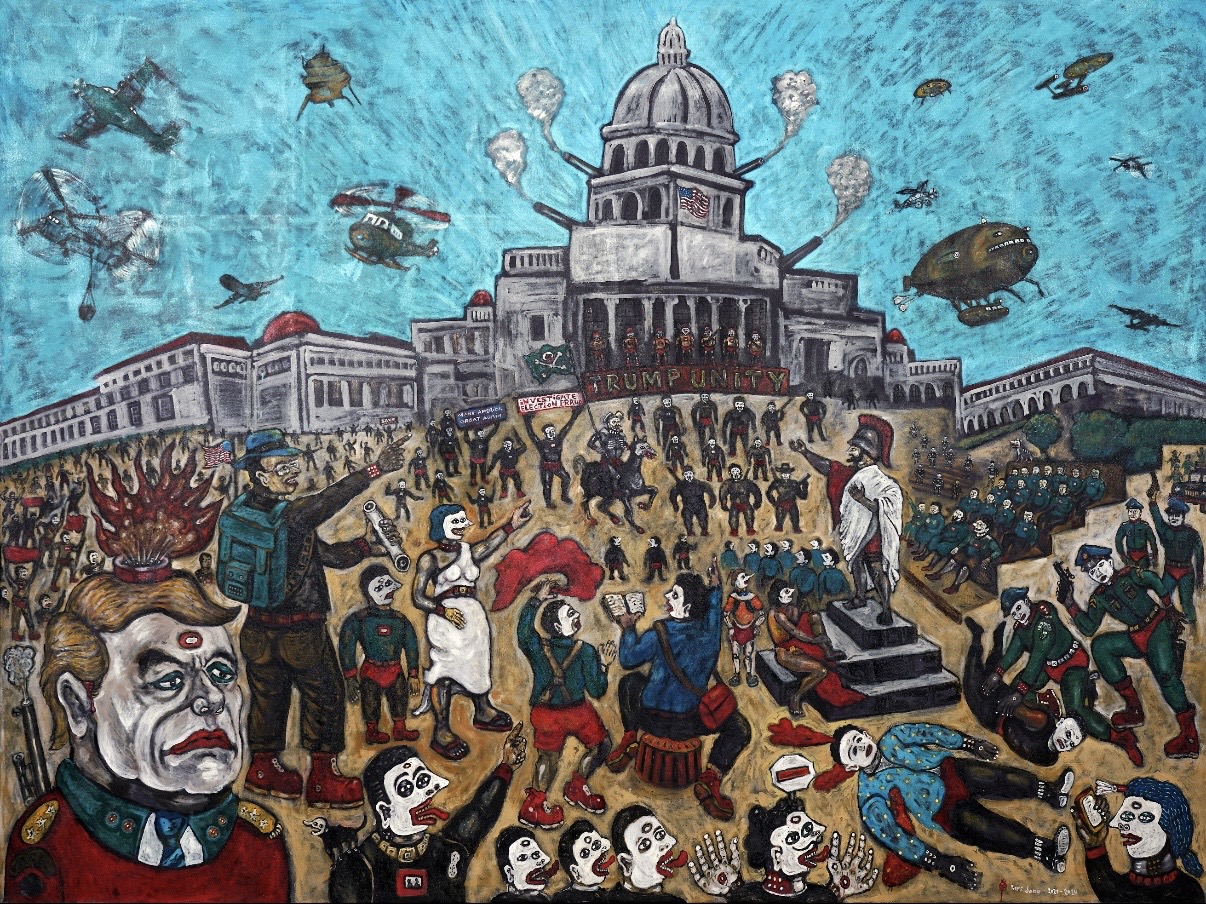
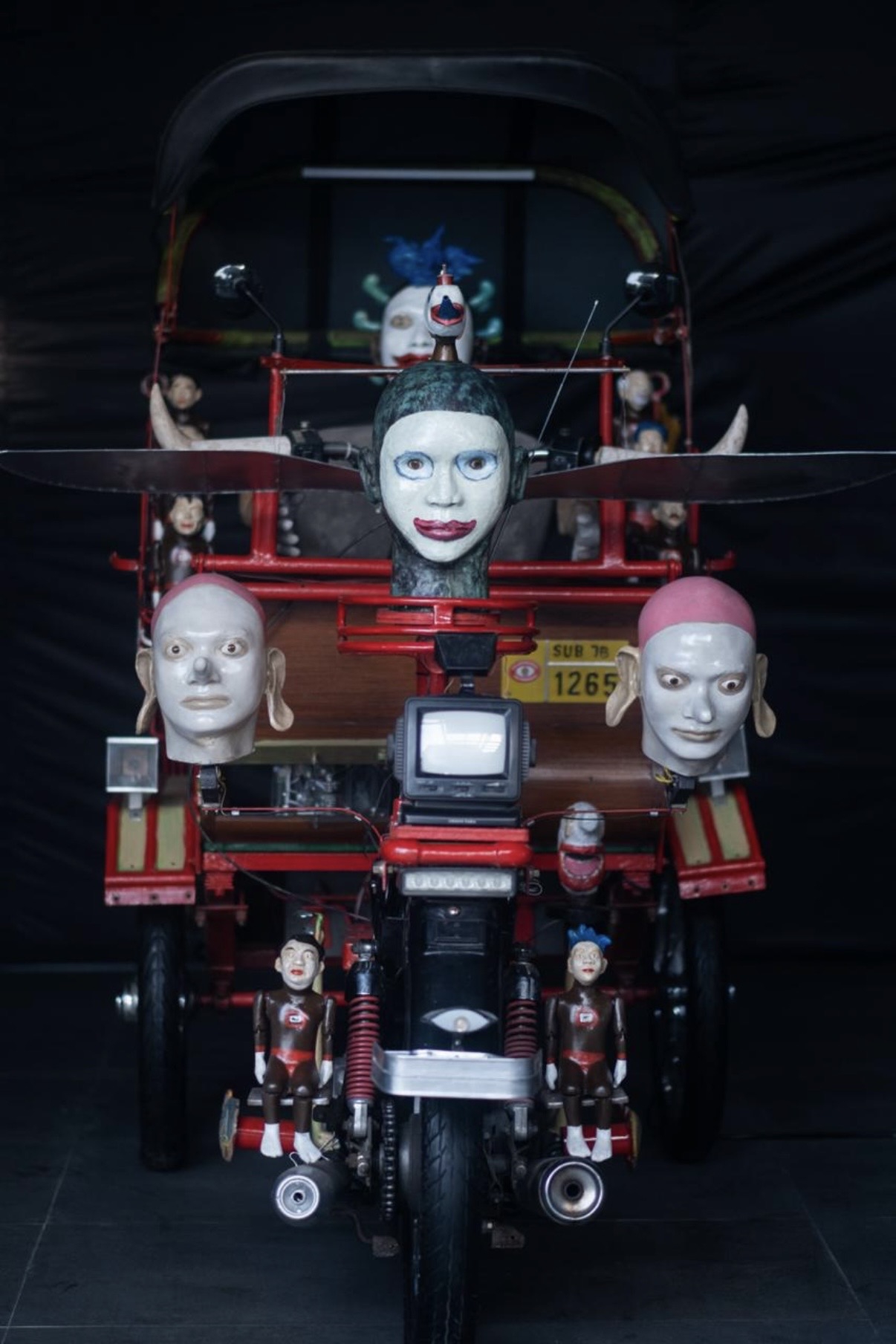
Heri Dono’s contribution to the contemporary art world is monumental, spanning over forty years of practice that constantly challenges the boundaries of tradition. His work is primarily rooted in the Indonesian wayang (shadow puppetry) tradition, yet he systematically deconstructs this heritage to create something entirely contemporary. His figures—often grotesque, humorous, and deeply satirical—function as metaphors for political instability, human folly, and the absurdity of the modern condition.
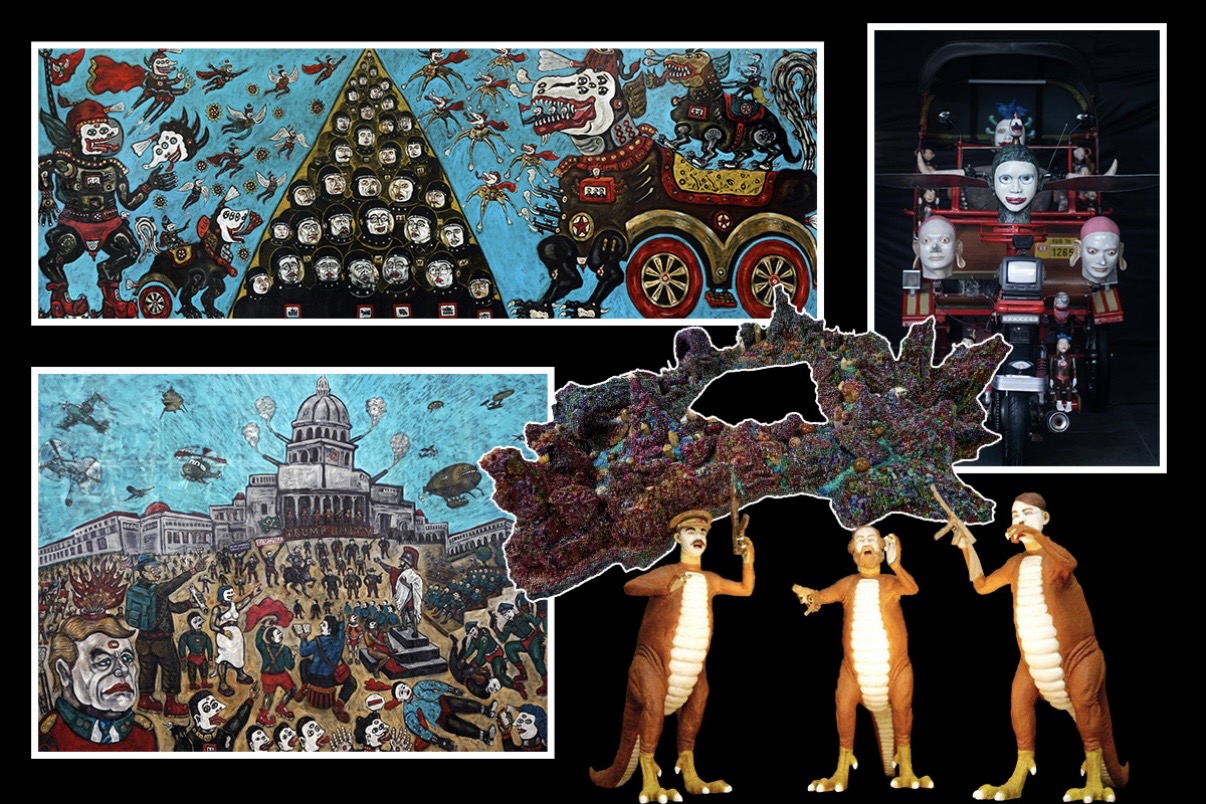
In "A World Seen Otherwise," Dono continues to synthesize mythology with modern technological elements. His ability to blend mechanical kinetics with traditional craftsmanship has made him a fixture in the global art circuit. His exhibition history reads like a map of the world’s most prestigious institutions, including the Guggenheim Museum in Abu Dhabi, the National Gallery Singapore, M+ Museum in Hong Kong, and the Museum MACAN in Jakarta. His work does not merely exist; it confronts the viewer, forcing a reassessment of the binaries between the human and the beast, the archaic and the advanced.
A particularly noteworthy facet of his current exhibition is the intersection of high art and commercial design. Through a collaborative effort with Adelle Jewellery, Dono has translated his distinct visual motifs into four pieces of wearable art. This transition from the white-walled gallery space to the intimacy of personal adornment signals a shift in how art is consumed and internalized by the public. It transforms the "scarecrow-like" figures and mythical beasts of his paintings into tangible, intimate objects, further blurring the line between fine art and everyday life.
Sherry Winata: The Intimacy of The Divine Flow
In stark contrast to the outward-looking, socio-political lens of Heri Dono, Sherry Winata offers a contemplative exploration of the interior self. Her exhibition, "The Divine Flow," curated by the renowned Asmudjo J. Irianto, functions as a visual diary of spiritual and psychological discovery.
Winata’s methodology involves a meticulous application of layers—a synthesis of paint, texture, and physical materials such as crystals. Her work seeks to articulate the ineffable: the complexities of human emotion, the search for spiritual alignment, and the acceptance of imperfection. Where Dono uses chaos to reveal the truth of society, Winata uses order and light to reveal the truth of the spirit. Her paintings and sculptures are characterized by a sense of movement, suggesting that the "Divine Flow" is an ongoing, evolving state of consciousness rather than a fixed destination.
For emerging artists, Winata’s inclusion in the ARMA anniversary program serves as a testament to the importance of psychological depth in contemporary practice. Her work provides a necessary counterbalance to the louder, more aggressive narratives often found in modern art, inviting the audience to engage in a silent, reflective dialogue with their own inner landscapes.
The G3N Project: A Strategic Vision for Art Continuity
The G3N Project, which serves as the architect for this exhibition, is not merely an exhibition organizer but a strategic facilitator of Indonesian art history. The project’s fundamental philosophy is the creation of a sustainable dialogue between generations. By placing a veteran like Heri Dono alongside a younger, emerging talent like Sherry Winata, the G3N Project seeks to prevent the "siloing" of artistic movements.
"The objective is to ensure that the wisdom accumulated by masters like Heri Dono is not lost, but rather re-interpreted and built upon by the next generation," noted a spokesperson close to the project. The synergy observed in their joint collaboration—a specific space dedicated to their combined output—serves as a laboratory for this exchange. It is here that the public can observe the collision of two disparate methodologies: one rooted in the collective, social, and technological experience, and the other rooted in the individual, spiritual, and emotional experience.
Impact on the Indonesian Contemporary Art Landscape
The implications of this exhibition are manifold. Firstly, it reaffirms the position of Bali as a critical node in the global art market. By bringing national treasures into the ARMA context, the exhibition draws international attention to the sophisticated nature of Indonesian contemporary discourse.
Secondly, the partnership with the National Gallery of Indonesia’s MCB unit suggests a growing alignment between institutional support and independent curatorial efforts. This is essential for the long-term preservation of art, as it ensures that contemporary works are documented, analyzed, and placed within a broader historical context.
Thirdly, the financial and logistical support from entities like Adelle Jewellery highlights the increasingly vital role of private-sector patronage in the arts. By sponsoring wearable art, private firms are not only providing funding but are also validating the artistic worth of experimental practices, allowing artists to expand their creative output beyond traditional media.
Chronology and Exhibition Logistics
The exhibition is slated for a two-month duration, providing ample time for academic discourse and public engagement.
- Pre-Event Phase (Late 2026): Coordination between Studio Kalahan and the ARMA curatorial team to finalize the installation of complex kinetic sculptures.
- Opening Date (November 29, 2026): A grand opening ceremony at the ARMA Museum, featuring discussions with both Heri Dono and Sherry Winata.
- Mid-Exhibition (December 2026 – January 2027): A series of workshops and seminars focused on the techniques of contemporary painting and the integration of traditional mythology into modern art.
- Closing Date (January 29, 2027): Final viewing and the potential migration of specific collaborative pieces to national institutions for permanent archiving.
Analysis: Bridging the Generational Divide
The success of this exhibition rests on the fundamental question posed at its inception: "Can two different artistic worlds find a common language?"
An analysis of the exhibition’s structure reveals that the common language is not found in the style or the subject matter, but in the intent. Both Heri Dono and Sherry Winata are engaged in a process of decoding the world. Dono decodes the external, objective world of society and power structures; Winata decodes the internal, subjective world of the soul and the divine. By placing these two approaches in the same building, the G3N Project effectively creates a microcosm of the human experience—a totality that requires both the external gaze and the internal reflection.
This exhibition serves as a blueprint for future curatorial efforts in Indonesia. It demonstrates that the most meaningful artistic progress occurs when institutions prioritize thematic cohesion over chronological alignment. As the Indonesian art scene continues to gain traction on the international stage, the ability to narrate its own history—through the voices of its masters and the curiosity of its emerging talents—will remain its most valuable asset.
Conclusion
As ARMA celebrates three decades of existence, the exhibition of Heri Dono and Sherry Winata stands as a defining moment for the museum. It encapsulates the spirit of Ubud—a place that has historically been a nexus for artistic innovation—and projects it into the future. For the attendees of this exhibition, the experience is designed to be more than a visual encounter; it is an invitation to engage with the past, present, and future of Indonesian creativity.
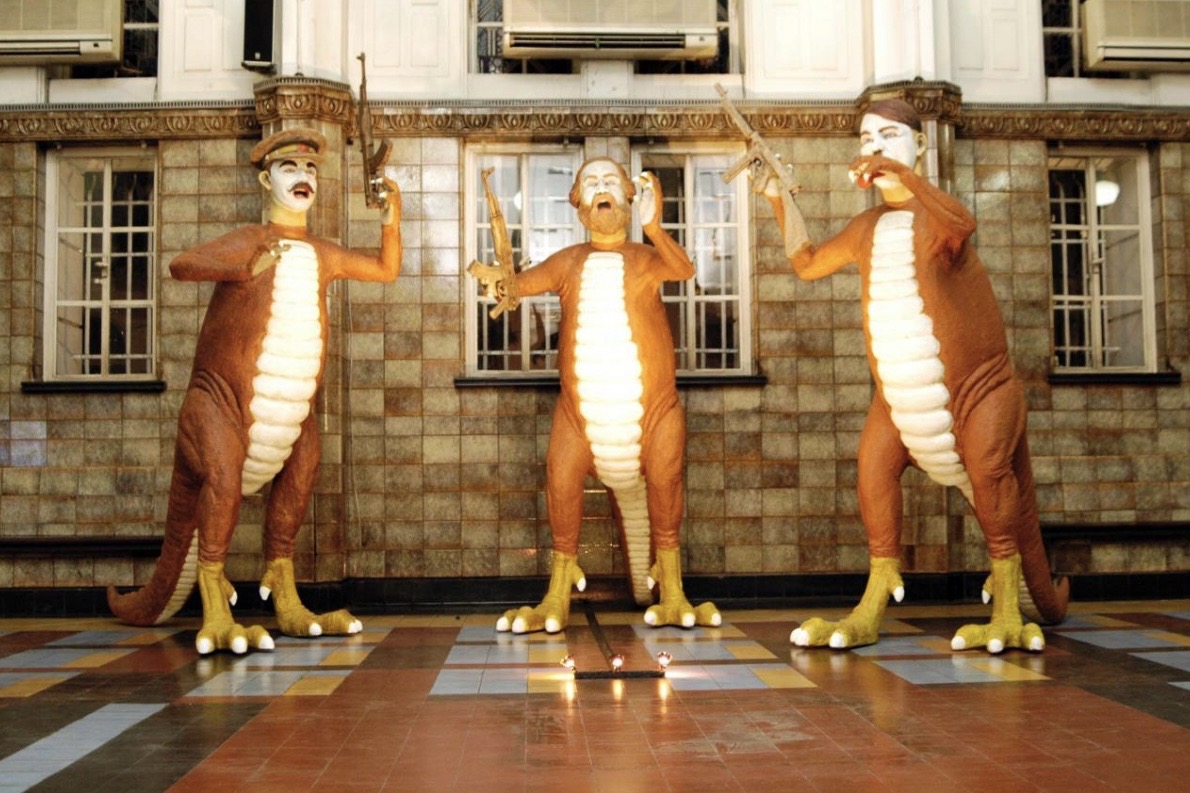
Whether through the intricate, mechanical puppets of Heri Dono that critique the structures of authority, or the ethereal, textured canvases of Sherry Winata that map the journey of the soul, the viewer is reminded that art is the primary vessel through which the Indonesian identity is continuously negotiated. In a rapidly changing world, the ability of these two artists to sustain a dialogue across generations provides a glimmer of stability and a promise that the creative flame in Indonesia continues to burn with both intensity and wisdom. The G3N Project has succeeded in not only showcasing art but in defining the very mechanisms of cultural evolution, setting a high standard for the years to come in the Indonesian art calendar.