In an era where operational agility is the cornerstone of small and medium-sized enterprises (SMEs) and freelance logistics, the selection of the right vehicle is a critical financial decision. For many entrepreneurs and delivery personnel, the high monthly commitment of financing a new motorcycle can significantly strain cash flow, especially during the nascent stages of business growth. Consequently, the secondary market for underbone motorcycles—commonly known as "motor bebek"—has emerged as a strategic solution for those seeking reliable, low-cost transportation that does not compromise on productivity. With a budget of under 5 million Indonesian Rupiah (IDR), prospective buyers can acquire robust, field-tested machines that offer high fuel efficiency and mechanical longevity.
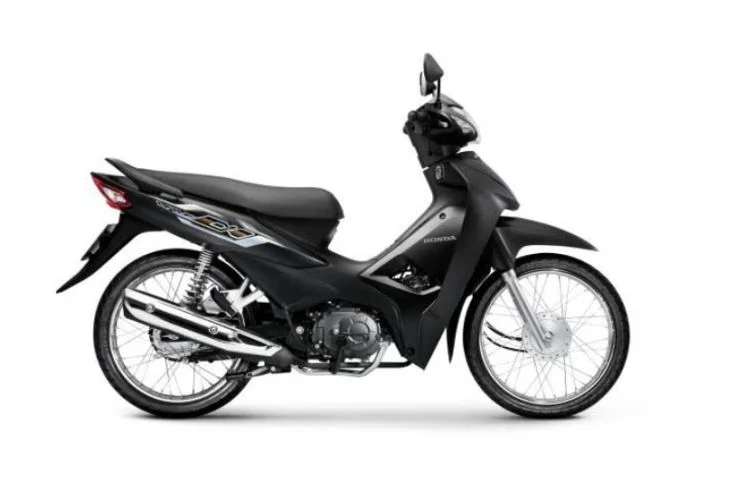
The economic logic behind choosing a pre-owned underbone motorcycle is rooted in the "total cost of ownership" principle. Unlike modern automatic scooters that may require specialized diagnostic tools and expensive electronic sensor replacements, the traditional underbone architecture is characterized by mechanical simplicity. This design philosophy facilitates easier maintenance, allows for the widespread availability of aftermarket parts, and ensures that even in remote regions, skilled mechanics can perform repairs without proprietary software or expensive dealership equipment.
The Evolution of the Underbone Market
The history of the underbone motorcycle in Southeast Asia is inextricably linked to the region’s economic development. Emerging as the "people’s vehicle" in the late 1990s and early 2000s, these bikes were engineered to navigate narrow urban alleys and rugged rural roads with equal proficiency. The period between 2004 and 2011 represents a "Golden Era" for these machines, as manufacturers like Honda, Yamaha, and Suzuki engaged in intense competition to produce the most durable, fuel-efficient engines.
This competitive landscape forced manufacturers to innovate in metallurgy and combustion efficiency. The result was a generation of engines that could endure years of heavy loads and varying fuel qualities without catastrophic failure. Today, these models remain highly sought after by logistics firms and food delivery platforms because their depreciation has plateaued, offering a high residual value for owners who maintain them correctly.
Top Five Recommendations for Operational Efficiency
Based on market availability and mechanical reliability, the following five models remain the benchmark for budget-conscious operational vehicles.
1. Honda Supra X 125 (2005–2010)
Often referred to as the "King of Reliability," the Honda Supra X 125 is a fixture in Indonesian logistics. Its 124.8 cc SOHC engine is engineered to deliver consistent torque, making it ideal for navigating uphill terrain or carrying moderate cargo. With an output of approximately 10.1 PS, it balances power and fuel consumption effectively, with users frequently reporting 45–50 kilometers per liter. In the current secondary market, units in good condition range from IDR 3.5 million to IDR 5 million.
2. Honda Supra Fit (2004–2007)
For businesses with the most stringent budgetary constraints, the Supra Fit represents the pinnacle of fiscal efficiency. Featuring a 100 cc engine, it is not designed for speed, but for absolute thriftiness. It is common for these units to achieve over 50 kilometers per liter. Priced between IDR 2 million and IDR 4.5 million, the Supra Fit is often the preferred choice for intra-city distribution where fuel costs are the primary overhead concern.
3. Yamaha Vega R (2005–2010)
The Yamaha Vega R earned its reputation through its responsive low-end torque. For delivery riders who frequently stop and start in dense traffic, the Vega R’s acceleration provides a distinct advantage. Furthermore, its mechanical architecture shares many parts with other Yamaha models, simplifying the supply chain for maintenance. Its market price typically hovers between IDR 3 million and IDR 5 million.
4. Suzuki Smash (2007–2011)
Suzuki is often lauded for its robust chassis design, and the Smash is no exception. Designed to handle more stress than its competitors, the frame of the Smash is notoriously rigid. Its 110 cc engine is characterized by a "tahan banting" (bulletproof) nature, making it ideal for long-distance deliveries. At a price point of IDR 4.7 million to IDR 4.8 million, it offers a high-value proposition for those needing a workhorse that can withstand daily heavy-duty usage.
5. Yamaha Jupiter Z (2004–2010)
The Jupiter Z occupies the premium end of the budget spectrum. Known for its legendary durability and smoother transmission, the Jupiter Z remains a favorite among long-term operators. Its 110 cc to 115 cc engine strikes a balance between performance and economy, yielding 40–45 kilometers per liter. With a secondary market value ranging from IDR 2.5 million to IDR 4.2 million, it is a versatile choice for businesses that require a vehicle that can handle both urban logistics and occasional long-distance hauling.
Analytical Perspective: The Economic Implications
The decision to procure older vehicles for business operations is supported by several economic factors. First, the "cost-per-kilometer" for these older underbone models is significantly lower than that of modern, feature-heavy motorcycles. With fewer electronic components to fail, the likelihood of an unexpected "dead-in-the-water" event is minimized, which is crucial for maintaining the uptime of a business.
Second, the secondary market serves as a vital economic circularity. By keeping these motorcycles in operation, the market sustains a robust ecosystem of mechanics, spare parts dealers, and secondary component manufacturers. This ecosystem provides employment for thousands of individuals who specialize in the repair and refurbishment of these specific models.
However, business owners must weigh the lower acquisition cost against the potential for higher long-term maintenance costs. As these motorcycles are now over a decade old, the condition of the engine, transmission, and electrical harness can vary significantly between units. A disciplined approach to purchasing is therefore essential.
Rigorous Inspection Protocol: A Buyer’s Guide
To mitigate the risks inherent in the secondary market, a systematic inspection is non-negotiable. Before finalizing any purchase, buyers should adhere to the following checklist:
- Legal Verification: Cross-reference the engine and frame numbers against the original Buku Pemilik Kendaraan Bermotor (BPKB) and Surat Tanda Nomor Kendaraan (STNK). Any discrepancy here is a red flag for a stolen or illegally modified vehicle.
- Chassis Integrity: Inspect the frame for signs of rust or past accident damage. A bent frame can lead to unstable handling and excessive tire wear, which can be expensive to correct.
- Engine Performance: Conduct a "cold start" test. If the engine struggles to start or emits blue-tinted smoke from the exhaust, it indicates worn piston rings or valve seals—a sign that a major engine overhaul will be required shortly.
- Drivetrain Assessment: Test the transmission for "gear slippage" and check the chain and sprocket condition. A smooth shifting mechanism is a proxy for how well the previous owner maintained the vehicle.
- Test Ride: A short test ride is essential to evaluate the suspension, braking system, and the overall "feel" of the bike. Any rattling noises in the engine block or excessive vibration should be treated as a warning sign.
Conclusion: A Strategic Asset for Growth
The underbone motorcycle is more than just a means of transport; for the emerging entrepreneur, it is a vital tool for capital preservation. By selecting a well-maintained model from the 2004–2011 period, businesses can secure a reliable partner for their operational needs without incurring the debt burden associated with new vehicle acquisitions. As the logistics landscape continues to evolve, the enduring relevance of these machines underscores a simple truth: in the world of business, efficiency is often found in the most reliable and time-tested tools. By conducting due diligence and prioritizing mechanical health, owners can ensure that these motorcycles remain productive assets for many years to come.