• Home
  • About Us
  • Contact Us
  • Cookies Policy
  • Disclaimer
  • DMCA
  • Privacy Policy
  • Terms and Conditions
Dara News Media
keep your memories alive
Health & Wellness

Darmin: Urusan Perpanjangan Freeport Belum Selesai

by Evan Lee Salim September 23, 2026
written by Evan Lee Salim

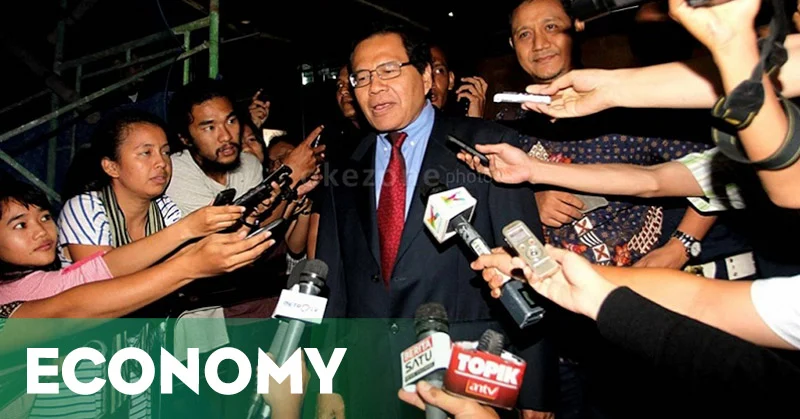
The future of American mining giant PT Freeport Indonesia remained shrouded in administrative uncertainty as Coordinating Minister for Economic Affairs Darmin Nasution asserted that formal discussions regarding the company’s contract extension and subsequent share divestment were far from finalized. Speaking to academics and journalists at the University of Indonesia, Minister Darmin addressed mounting public and political curiosity surrounding the timeline of the divestment process, emphasizing that the overarching legal and contractual framework must first reach a definitive conclusion.

The statement underscored the complex bureaucratic, legal, and economic dynamics that have long characterized the relationship between the Indonesian government and the multinational mining corporation. At the heart of the discourse was the controversial requirement for foreign-owned mining entities operating within Indonesian jurisdiction to divest a portion of their equity to domestic stakeholders—a policy designed to ensure greater national sovereignty over strategic natural resources while balancing foreign investment incentives.

Background Context of the Freeport Contract and Divestment Obligations

PT Freeport Indonesia, a subsidiary of the United States-based Freeport-McMoRan Copper & Gold Inc., has operated the massive Grasberg mine in Papua—one of the largest gold and copper deposits in the world—for decades. Under the prevailing regulatory frameworks, particularly Government Regulation (PP) No. 77 of 2014 concerning the Third Amendment to Government Regulation No. 23 of 2010 on the Implementation of Mineral and Coal Mining Business Activities, foreign mining companies operating underground or open-pit mines in Indonesia are subjected to strict divestment obligations.

Specifically, foreign entities are legally mandated to progressively divest their shares to domestic entities until Indonesian ownership reaches at least 51 percent. This regulation serves as a cornerstone of the country’s resource nationalism policy, aiming to redirect a greater share of mining revenues into state coffers, empower state-owned enterprises (SOEs), and foster local economic participation. However, the implementation of these rules has frequently sparked tense negotiations between Jakarta and corporate executives based in Phoenix, Arizona. The focal point of contention often revolves around asset valuation, the precise timing of share offerings, and the legal security of long-term operational contracts.

Chronology of Events Leading to the Impasse

The friction surrounding the 2015 divestment timeline can be traced back to a series of regulatory mandates and deadlines established by the Indonesian Ministry of Energy and Mineral Resources. According to the regulatory framework in place, October 14, 2015, marked a critical legal milestone: the date by which Freeport was officially required to commence the process of offering its shares to the Indonesian government.

The initial divestment tranche stipulated that Freeport must release 10.64 percent of its total equity to local buyers. This offering was structured around a strict hierarchy of priorities designed to maximize national interest. First in line for the acquisition of the divested shares was the central government. Should the central government decline or fail to secure the purchase within a specified timeframe, the priority shifted secondly to state-owned enterprises (BUMN). If state-owned enterprises similarly passed on the opportunity, the acquisition rights would then cascade down to regionally-owned enterprises (BUMD), and finally, as a last resort, to private national entities, which could include conducting an initial public offering (IPO) on the domestic stock exchange.

Despite the clarity of the legal framework, Freeport effectively delayed the execution of the October 2015 divestment deadline. Representatives of the mining giant argued that they were awaiting formal revisions to Government Regulation 77 of 2014. The company sought greater regulatory certainty, particularly concerning how share valuations would be calculated and whether the anticipated contract extensions would be granted concurrently with the divestment process. This delaying tactic drew criticism from various domestic political factions and economic observers, who viewed the maneuver as an attempt by the multinational corporation to retain maximum equity control for as long as possible while leveraging its economic footprint in Papua.

Minister Darmin Nasution’s Official Stance and Analysis

Weighing in on the unfolding deadlock, Coordinating Minister for Economic Affairs Darmin Nasution adopted a cautious yet pragmatic tone. When pressed by reporters on whether the government was actively evaluating pathways such as an initial public offering to absorb the 10.64 percent stake, Darmin clarified that such financial mechanisms were premature.

"Freeport’s process itself is not yet finished regarding the matter of the extension; perhaps that will be addressed later in that phase," Darmin stated during his visit to the University of Indonesia.

The minister further elaborated that any potential divestment strategy—whether executed through a direct placement to state entities or via a public offering on the capital market—demanded rigorous academic and administrative scrutiny. "That (whether through an IPO or otherwise) must be studied more deeply," he added, signaling that the cabinet was not prepared to rush into financial transactions without comprehensive risk assessments and inter-ministerial coordination.

Economic and Strategic Implications for Indonesia

The ongoing saga surrounding PT Freeport Indonesia carries profound economic, financial, and political implications for the Southeast Asian nation. From a fiscal perspective, the Grasberg mine generates substantial state revenues through corporate taxes, royalties, and export duties. Ensuring a transparent and equitable divestment process is viewed by economic analysts as vital for maximizing the long-term public benefit of non-renewable natural resources.

Furthermore, the handling of the Freeport contract renegotiations serves as a litmus test for Indonesia’s investment climate. While the government is keen to project a strong stance on resource nationalism and domestic equity participation, it must simultaneously navigate the delicate balance of maintaining investor confidence. Foreign direct investment remains a critical pillar of Indonesia’s macroeconomic growth strategy, and sudden, abrasive regulatory shifts can easily spook international capital markets.

The debate over the valuation methodology also poses significant hurdles. Valuing a massive, highly complex mining operation like Grasberg requires intricate financial auditing, future commodity price forecasting, and assessments of environmental liabilities. If the valuation is set too high, state-owned enterprises may struggle to finance the acquisition without incurring unsustainable debt burdens. Conversely, if the valuation is set too low, it risks sparking legal disputes and international arbitration claims from the corporate shareholder base.

Broader Industry Reactions and Future Outlook

As the government continues its deliberations, various stakeholders within the political and economic spheres have voiced divergent perspectives. Industry associations generally advocate for a collaborative approach that respects existing contractual agreements while honoring domestic laws. Meanwhile, nationalist politicians and labor unions consistently push for a harder line, demanding immediate state acquisition of a majority stake to ensure that the wealth extracted from Papuan soil directly benefits the broader Indonesian populace.

The statement by Minister Darmin Nasution effectively poured cold water on immediate expectations of a swift resolution. By declaring that the core extension process remained incomplete, the government signaled that all related components—including equity divestment, environmental reclamation commitments, and local smelter construction obligations—would be bundled together into a comprehensive overarching agreement.

Ultimately, the resolution of the Freeport contract extension and divestment impasse will set a crucial precedent for how Indonesia manages its strategic natural resource sector for decades to come. As administrative reviews, inter-ministerial talks, and legal adjustments grind forward, the eyes of the domestic public, financial markets, and international investors remain firmly fixed on Jakarta, awaiting the next decisive chapter in one of the country’s most high-stakes economic dramas.
September 23, 2026 0 comment
0 FacebookTwitterPinterestEmail
Health & Wellness

Rizal Ramli Silent on Petral Dissolution Following Ministry Announcement to Disband Controversial Trading Arm Amid Governance Reforms

by Neng Nana September 23, 2026
written by Neng Nana

The formal dissolution of Pertamina Energy Trading Limited (Petral) marked a watershed moment in Indonesia’s state-owned enterprise governance and energy sector reform. Despite the monumental nature of the decision—which dismantled a trading subsidiary long criticized for opaque operations and susceptibility to third-party brokerage interference—then-Coordinating Minister for Maritime Affairs and Resources, Rizal Ramli, maintained a strict silence on the matter. Following a high-level meeting at his office in Jakarta on Monday, November 9, 2015, Ramli sidestepped persistent inquiries from journalists regarding the official closure of the Singapore-based trading arm, offering only a brief smile and a dismissive wave before departing for a state engagement at the Presidential Palace.

The reluctance of a senior coordinating minister to address the dismantling of an entity that fell under his broad ministerial purview sparked immediate speculation among political and economic observers. While the Ministry of Energy and Mineral Resources (ESDM), operating under the umbrella of his coordination, had officially confirmed the findings that led to Petral’s demise, Ramli’s uncharacteristic reticence highlighted the delicate political dynamics and complex institutional sensitivities surrounding the purge of vested interests within Indonesia’s oil and gas supply chain.

Background and Context of the Petral Controversy

To fully understand the significance of Petral’s dissolution and the charged atmosphere surrounding ministerial reactions in late 2015, it is necessary to examine the history of the company. Established as a trading subsidiary of Indonesia’s state-owned oil and gas giant, PT Pertamina (Persero), Petral was originally incorporated to facilitate the international procurement of crude oil and refined petroleum products. Over the decades, however, the organization transformed into a focal point of public ire, frequently cited by energy analysts, governance watchdogs, and political figures as a "rent-seeking mafia" that cost the Indonesian state billions of dollars annually.

Operating primarily through its subsidiary, Pertamina Energy Services Pte. Ltd. (PES) based in Singapore, Petral routinely bypassed direct government-to-government or producer-to-refiner contracts. Instead, the procurement process frequently involved a labyrinth of third-party brokers, intermediaries, and shell companies. These intermediaries added unnecessary markups to Indonesia’s energy import bill, which was substantial given the nation’s transition from a net oil exporter to a net importer due to declining domestic production and surging domestic consumption.

Public pressure to audit and reform Petral mounted for years. Critics argued that the lack of transparency in crude and fuel procurement not only drained state coffers but also artificially inflated domestic fuel prices, placing an undue burden on Indonesian taxpayers and consumers. Calls for its abolition grew louder with the inauguration of President Joko Widodo in 2014, as the new administration campaigned on a platform of clean governance, bureaucratic efficiency, and the eradication of systemic corruption in strategic economic sectors.

Chronology of the Dissolution Process

The path to Petral’s ultimate closure was marked by a series of rigorous audits, investigative reports, and strategic ministerial decrees that systematically dismantled the trading entity’s operational foundation.

In early 2015, the newly appointed leadership of PT Pertamina, backed by the Ministry of Energy and Mineral Resources, initiated a comprehensive governance audit of Petral and its Singaporean subsidiary, PES. Conducted by international auditing firm Klynveld Peat Marwick Goerdeler (KPMG), the forensic audit aimed to shed light on procurement practices, tender procedures, and the involvement of unauthorized third parties between 2012 and 2014.

By May 2015, the findings of the audit began to leak into the public domain, revealing systemic irregularities. The investigation confirmed that Petral’s procurement processes were heavily influenced by external brokers who dictated supply terms, manipulated pricing benchmarks, and sidelined direct negotiations with major national oil companies and reputable international trading houses.

Armed with these empirical findings, the Indonesian government accelerated its exit strategy. In August 2015, the Ministry of Energy and Mineral Resources officially announced that Petral would not be reformed or restructured, but completely liquidated. Operational authority for crude and fuel procurement was formally transferred back to Pertamina’s domestic headquarters in Jakarta, specifically under the newly established Integrated Supply Chain (ISC) division.

By November 2015, the winding-down process was largely complete, and PES contracts were systematically terminated or allowed to expire. It was precisely at this juncture—when the dust of dissolution was settling and the institutional accountability was being questioned—that Coordinating Minister Rizal Ramli was pressed for an official assessment by the press corps.

Official Reactions and the Presidential Schedule

The events of Monday, November 9, 2015, illustrated the high-pressure environment surrounding Indonesia’s economic officialdom. Preceding his exit from the ministry building, Rizal Ramli had chaired a strategic meeting focused on energy diversification and regional decentralization—initiatives designed to reduce Indonesia’s reliance on imported fossil fuels and decentralize power generation infrastructure.

As Ramli emerged from the conference room, journalists swarmed him, seeking his perspective on the final stages of Petral’s liquidation, particularly given that the ESDM ministry fell within his broader coordination mandate. Rather than engaging with the probing questions, Ramli raised both hands in a defensive gesture, offered a polite smile, and walked briskly toward his waiting vehicle.

Staff members accompanying the minister quickly intervened, explaining to the press corps that Ramli was operating under a strict timetable. He was required to make an immediate transit to the State Palace in Central Jakarta to participate in official state protocols. President Joko Widodo had scheduled a formal state welcoming ceremony for Italian President Sergio Mattarella, who was visiting Indonesia to strengthen bilateral diplomatic and economic ties. This high-priority diplomatic obligation provided an immediate logistical buffer, allowing the minister to bypass further questioning on the contentious domestic energy issue.

Implications and Broader Economic Impact

The dismantling of Petral and the subsequent restructuring of Indonesia’s energy procurement mechanisms carried profound implications for the national economy, state finances, and corporate governance within state-owned enterprises.

First and foremost, the elimination of the Singapore-based intermediary layer was projected to yield significant financial savings for the state. By purchasing crude oil and refined products directly from National Oil Companies (NOCs) and reputable global suppliers without the markup of brokers, Pertamina estimated savings in the range of hundreds of millions to billions of dollars annually. These savings directly improved Pertamina’s corporate balance sheet and reduced the fiscal burden on the state budget, which had previously subsidized fuel prices under various regulatory regimes.

Second, the move represented a major psychological and structural victory for transparency advocates. For decades, the phrase "Petral mafia" had been synonymous with impunity in state-owned commerce. The decisive action taken by the Ministry of Energy and Mineral Resources demonstrated that the government was willing to confront entrenched interests and dismantle profitable patronage networks, regardless of their historical resilience.

However, the transition was not without operational challenges. Bringing procurement in-house under Pertamina’s Integrated Supply Chain (ISC) required a massive scaling-up of analytical, risk-management, and negotiation capabilities within Jakarta. Ensuring that domestic procurement teams could secure competitive pricing and reliable supply volumes on the global spot and term markets without the historical crutch of Singaporean intermediaries required rigorous oversight, anti-corruption safeguards, and institutional capacity building.

Furthermore, the silence or guarded reactions from senior economic ministers like Rizal Ramli underscored the complex political balancing act required during major structural reforms. While the overarching policy was championed by the administration, the day-to-day fallout, bureaucratic friction, and potential legal ramifications of unwinding decades-old contracts meant that senior officials often preferred to let official institutional communiqués speak for themselves, avoiding unscripted remarks that could complicate ongoing diplomatic or domestic political negotiations.

Conclusion

The closure of Petral stands as a landmark case study in the reform of Indonesian state-owned enterprises. By severing ties with tainted trading subsidiaries and bringing international oil procurement under direct domestic oversight, the government sought to eliminate systemic inefficiencies and restore public trust in the management of natural resources. While high-ranking officials such as Coordinating Minister Rizal Ramli chose to deflect media inquiries on the day of the final transition due to pressing state duties, the enduring legacy of Petral’s dissolution remains a foundational pillar in Indonesia’s ongoing pursuit of economic transparency, fiscal prudence, and good corporate governance in the energy sector.

September 23, 2026 0 comment
0 FacebookTwitterPinterestEmail
Health & Wellness

Jokowi and Rini Soemarno Inspect TPPI Tuban Refinery to Mark Strategic Revival for National Energy Security

by Ali Ikhwan September 23, 2026
written by Ali Ikhwan

President Joko Widodo conducted a high-profile working visit to inspect the Trans Pacific Petrochemical Indotama (TPPI) refinery located in Tuban, East Java. The inspection marked a critical milestone for Indonesia’s energy sector, as the facility officially resumed operations under the management of state-owned energy giant PT Pertamina (Persero). The presidential entourage included State-Owned Enterprises (SOE) Minister Rini Soemarno, Pertamina President Director Dwi Soetijpto, and Director General of Oil and Gas IGN Wiratmaja Puja, highlighting the strategic importance of the facility to the highest levels of government.

The revitalization of the TPPI Tuban refinery represents a monumental achievement in Indonesia’s ongoing quest for energy independence. For years, the sprawling petrochemical complex had faced operational hurdles, financial restructuring complexities, and administrative bottlenecks that kept its immense processing capacity offline. By bringing the facility back into active service, the government aimed to curb the nation’s heavy reliance on imported refined petroleum products, secure domestic supply chains, and stabilize foreign exchange reserves that were continuously strained by costly fuel imports.

Strategic Importance and Production Capacity

The decision by President Joko Widodo to personally oversee the reopening underscores how vital the facility is to the national macroeconomic framework. According to Pertamina’s corporate communication division, the refinery’s return to operational status yields immediate, measurable benefits for the state budget and the national trade balance.

Wianda Pusponegoro, who served as Vice President of Corporate Communication for Pertamina at the time, elaborated on the operational scale of the revitalized facility during the presidential site visit. She emphasized that the refinery possesses the capability to significantly reduce the nation’s dependency on foreign fuel markets.

The operationalization of this facility is projected to cut Indonesia’s imports of Premium-grade gasoline, specifically RON 88, by approximately 20 percent. The refinery boasts a robust production capacity reaching 61,000 barrels per day of gasoline and other vital petrochemical products.

When evaluated against global oil market benchmarks, the financial implications are profound. Assuming an average international crude oil price of USD 60 per barrel for gasoline, the domestic production generated by the Tuban plant translates into direct foreign exchange savings of roughly USD 1.2 billion annually. In local currency terms, this savings amounts to approximately IDR 16 trillion per year, providing much-needed fiscal relief to the national economy amidst fluctuating global commodity prices.

Background Context and Chronology of the TPPI Revitalization

The journey toward restoring the TPPI Tuban refinery to operational readiness was neither simple nor swift. Commissioned years prior, the facility suffered from a complex web of corporate debt, ownership disputes, and operational suspensions that left its massive infrastructure underutilized. The plant, designed to produce both petrochemicals and refined fuels, became a focal point in discussions surrounding state assets and energy sovereignty.

The turnaround began to materialize when the Indonesian government, led by the Ministry of BAE and the Ministry of Energy and Mineral Resources, orchestrated a strategic intervention. Recognizing that leaving the facility idle inflicted continuous economic damage through sustained import dependency, authorities devised a rescue plan centered around PT Pertamina (Persero).

Pertamina assumed operational control through a series of mandated assignments and financial restructuring agreements designed to settle outstanding liabilities and rehabilitate technical systems. The integration of TPPI into Pertamina’s downstream and midstream portfolio allowed the national oil company to utilize its extensive supply chain networks, feedstock procurement capabilities, and technical expertise to jumpstart production units that had laid dormant.

By late 2015, technical teams successfully completed comprehensive safety checks, feedstock intake tests, and trial runs, paving the way for the official resumption of commercial operations. President Joko Widodo’s inspection served as both an official validation of these restoration efforts and a political signal that state assets must be actively utilized to serve the public interest and bolster national economic resilience.

Jokowi dan Rini Soemarno Tinjau Kilang TPPI Tuban : Okezone Economy

Broader Economic Implications and Energy Security

The successful reactivation of the TPPI Tuban refinery extends far beyond immediate fiscal savings; it addresses fundamental structural vulnerabilities within Indonesia’s energy architecture. For decades, Southeast Asia’s largest economy grappled with a paradoxical reality: despite being a major producer of natural resources, the country imported a substantial portion of its finished gasoline due to lagging domestic refining capacity.

This structural deficit exposed the national economy to external shocks, including geopolitical tensions in oil-producing regions, currency depreciation against the US dollar, and volatile swings in international petroleum benchmarks. Every spike in global crude prices widened the current account deficit and strained government subsidies.

By reintegrating the Tuban facility into the national supply grid, Indonesia enhanced its buffer against such external shocks. The local production of 61,000 barrels per day of gasoline provides Pertamina with greater flexibility in blending and distributing fuels across the archipelago, reducing logistical bottlenecks and stabilizing regional supply chains. Furthermore, the availability of domestic petrochemical feedstock supports downstream manufacturing industries, fostering a more integrated industrial ecosystem centered around East Java.

Industry Stakeholder Responses and Governance

The collaborative effort between regulatory bodies, the Ministry of SOEs, and Pertamina management drew praise from energy analysts and industry observers. The intervention demonstrated a pragmatic approach to governance, where state intervention was deployed not to nationalize private enterprise arbitrarily, but to resolve systemic financial gridlock and reactivate productive industrial capital.

SOE Minister Rini Soemarno played a pivotal role in aligning corporate strategy with national policy objectives, ensuring that legal and financial obstacles were systematically cleared. Meanwhile, Pertamina’s executive leadership, spearheaded by figures such as Dwi Soetijpto, mobilized engineering teams to execute the technical overhaul safely and efficiently.

The presence of high-ranking government officials during the inspection signaled to domestic and international markets that Indonesia is committed to optimizing its existing infrastructure, enhancing transparency in state-owned enterprise management, and pursuing energy independence through pragmatic industrial policies.

Future Outlook for the Tuban Complex

While the resumption of operations in November 2015 marked a watershed moment, it also laid the groundwork for subsequent expansions and modernization phases. Energy planners recognized that to sustain long-term self-sufficiency, facilities like the TPPI Tuban refinery must continuously upgrade their technological capabilities to process heavier crude grades, improve energy efficiency, and minimize environmental footprints.

Subsequent strategic roadmaps for the Tuban complex included integration projects aimed at expanding petrochemical output, given that petrochemicals typically yield higher profit margins and serve as essential raw materials for domestic manufacturing sectors such as plastics, textiles, and packaging.

The visit by President Joko Widodo and Minister Rini Soemarno thus transcended a routine administrative inspection. It served as a powerful testament to the strategic recalibration of Indonesia’s energy sector—transforming a dormant financial liability into a vibrant engine of national economic savings, industrial integration, and enduring energy security.

September 23, 2026 0 comment
0 FacebookTwitterPinterestEmail
Health & Wellness

Indonesia Harus Cari Alternatif Energi Selain Batu Bara

by Rifan Muazin September 23, 2026
written by Rifan Muazin

Jakarta — Amid growing global momentum toward climate action and sustainable development, the Indonesian government has stepped up its internal evaluations regarding the nation’s long-term power generation strategy. Coordinating Minister for Maritime Affairs and Resources, Rizal Ramli, underscored the critical necessity for Indonesia to aggressively pursue energy diversification, moving away from its heavy historical reliance on coal toward cleaner, renewable sources such as geothermal and solar power.

The statement, delivered during an official briefing at his office in Jakarta, highlights a persistent dichotomy in Indonesia’s energy landscape: while government rhetoric has consistently championed the transition to green energy, tangible implementation on the ground has lagged significantly behind targets. Minister Ramli pointed to institutional bottlenecks, particularly unattractive pricing mechanisms, as the primary deterrents keeping private investors at bay.

The discourse touches upon a fundamental vulnerability in Indonesia’s economic framework. As an archipelago richly endowed with natural resources, the country has long depended on fossil fuels—particularly coal—to power its domestic industrial growth and meet rising electrification demands. However, as global financial institutions increasingly divest from fossil fuels and international pressure mounts to curb carbon emissions, Indonesia faces an urgent mandate to recalibrate its energy matrix.

The Urgency of Energy Diversification

For decades, coal has served as the backbone of Indonesia’s electricity supply. Its abundance, coupled with relatively low extraction costs, made it the default choice for powering the nation’s rapid economic expansion under successive administrations. State-owned electricity company PT Perusahaan Listrik Negara (PLN) has historically relied on coal-fired power plants (PLTU) to provide cheap and stable baseload power.

However, this reliance comes with severe environmental and economic externalities. Coal combustion is a major contributor to greenhouse gas emissions, placing Indonesia among the world’s top carbon emitters. Furthermore, locking the national grid into a single fossil fuel resource exposes the economy to global commodity price volatility and supply chain disruptions.

Recognizing these vulnerabilities, economic planners and energy experts have long advocated for a pivot toward renewable energy. Indonesia possesses some of the world’s largest geothermal reserves, sitting along the Pacific Ring of Fire, alongside immense potential for solar, hydro, and biomass energy. Despite this vast potential, the share of renewable energy in the national primary energy mix has remained stubbornly low, prompting the high-level policy review led by Minister Ramli.

Identifying Institutional and Market Barriers

During his address in Jakarta, Minister Ramli addressed the glaring gap between policy aspirations and field realities. Despite years of academic discourse, high-profile seminars, and international commitments, the actual physical deployment of renewable energy infrastructure remains minimal.

"We are currently discussing—there have already been numerous discussions, speeches, and lectures stating that Indonesia must diversify its energy sources from coal to other alternatives, including renewables," Ramli stated. "Yet, very little has actually been built, whether we are talking about hydro sources or geothermal. We are examining why that is the case."

Preliminary evaluations from the Coordinating Ministry point directly to market economics as the core obstacle. Private sector participation is essential for scaling up renewable energy infrastructure due to the massive capital expenditures required. However, current regulatory frameworks and tariff structures have failed to generate sufficient profit margins to entice risk-averse investors.

"The pricing is likely unattractive; we need to establish a compelling pricing structure so that investors are genuinely motivated to invest in geothermal and solar energy," Ramli explained.

Under standard regulatory models in Indonesia, electricity tariffs are tightly regulated by the government and PLN to maintain affordable power for end consumers. While social equity is a vital policy objective, rigid pricing caps have often rendered utility-scale renewable projects financially unviable for independent power producers (IPPs), who face high upfront exploration and development costs, particularly in the geothermal sector.

Historical Context and Policy Evolution

The debate over Indonesia’s energy transition did not emerge in a vacuum. Over the past decade, the country has made various formal commitments to reduce its carbon footprint. Under international agreements, including the Nationally Determined Contributions (NDCs) submitted to the United Nations Framework Convention on Climate Change (UNFCCC), Indonesia pledged to lower its greenhouse gas emissions significantly by 2030, with conditional targets dependent on international financial and technological assistance.

However, these international pledges have frequently collided with domestic energy security policies, which prioritize low-cost electricity to drive manufacturing and industrialization. The Fast Track Programs (FTP) initiated in the late 2000s and expanded in the 2010s heavily favored coal-fired power generation, cementing coal’s dominance in the Power Supply Business Plan (Rencana Usaha Penyediaan Tenaga Listrik or RUPTL).

Efforts to pass a dedicated Renewable Energy Bill have faced prolonged legislative delays, caught between the competing interests of the domestic coal lobby, state utility mandates, and environmental advocates. Meanwhile, bureaucratic red tape surrounding licensing, land acquisition, and environmental clearances has compounded investor hesitation. Geothermal exploration, in particular, is fraught with high initial exploration risks—companies must drill exploratory wells at immense cost before confirming the commercial viability of a resource, often facing local community pushback or forest-status regulatory hurdles.

Implications for Investors and the Domestic Economy

The admission by high-ranking officials that current pricing models are failing to attract capital signals a potential turning point in Indonesia’s regulatory approach. For the energy transition to move from conceptual debates to physical reality, structural reforms in tariff policies are deemed indispensable.

Industry analysts and renewable energy associations have long argued that feed-in tariffs (FiTs) or competitive auction mechanisms must be redesigned to reflect the true economic and environmental value of clean energy. Without regulatory incentives—such as tax holidays, easier access to green financing, and risk-mitigation instruments backed by multilateral development banks—private capital will continue to flow into safer, more lucrative markets abroad.

The implications of failing to diversify extend beyond environmental degradation. As global markets increasingly adopt carbon border adjustment mechanisms (CBAM)—such as those implemented by the European Union—Indonesian export commodities produced using carbon-intensive coal energy risk facing severe trade penalties and reduced competitiveness. Transitioning to a green grid is therefore not merely an ecological imperative, but a long-term economic necessity to safeguard the nation’s export-driven industries.

Furthermore, a decisive shift toward renewables could unlock vast domestic economic potential. Developing localized geothermal and solar assets can stimulate regional economies, create high-skilled green jobs, and reduce reliance on imported fossil fuels, thereby stabilizing the national trade balance.

Broader Outlook and Future Roadmap

As the Indonesian government continues its inter-ministerial consultations, the pressure mounts to translate high-level strategies into actionable decrees. Aligning the policies of the Ministry of Energy and Mineral Resources (ESDM), the Ministry of Finance, and PLN will be critical in formulating a cohesive roadmap that balances affordability for consumers with profitability for investors.

The path forward requires a delicate balancing act. Policymakers must phase out fossil fuel subsidies and redirect those fiscal resources toward derisking renewable energy projects. At the same time, regulatory transparency and streamlined bureaucracy will be vital to restoring investor confidence.

Indonesia stands at a critical crossroads in its developmental trajectory. The choices made today regarding energy pricing, resource allocation, and structural reform will define the nation’s economic resilience and environmental sustainability for decades to come. Moving beyond coal is no longer a distant theoretical goal, but an immediate operational challenge that demands decisive legislative and market-driven solutions.

September 23, 2026 0 comment
0 FacebookTwitterPinterestEmail
Health & Wellness

Sebelum Tinjau Kilang TPPI, Rini Soemarno Cicipi Semangka Tuban

by Ali Ikhwan September 23, 2026
written by Ali Ikhwan

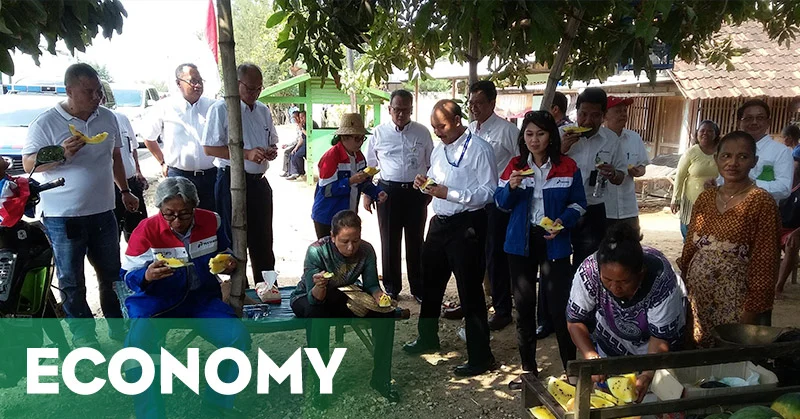
The official visit of high-ranking Indonesian government officials and state-owned enterprise leaders to the vital energy infrastructure facilities in East Java was marked by an unexpected and grounding moment of local engagement. On a warm morning in November 2015, then-Minister of State-Owned Enterprises (BUMN) Rini Soemarno, alongside key figures from PT Pertamina (Persero) and President Joko Widodo, took a brief detour from their strict itinerary to interact directly with the agrarian community residing near the industrial perimeter. Before conducting a rigorous inspection of the long-dormant PT Trans Pacific Petrochemical Indotama (TPPI) refinery in Tuban, the delegation paused to sample locally grown watermelons, blending high-level economic oversight with a display of grassroots connection.

The visit to the coastal regency of Tuban was far from a routine administrative tour. It represented a critical juncture in Indonesia’s ongoing pursuit of national energy independence, fiscal stabilization, and the reactivation of stalled strategic assets. The TPPI refinery, once a monument to unrealized potential and financial distress, stood at the center of government ambitions to reduce the nation’s heavy reliance on imported refined petroleum products. Yet, before confronting the complex macroeconomic challenges awaiting them inside the industrial complex, the leadership cadre chose to partake in a quintessentially local tradition—savoring the agricultural yield of the soil adjacent to one of the country’s most strategic petrochemical facilities.

Strategic Context and the Significance of the TPPI Facility

To fully understand the gravity of the presidential inspection in Tuban, one must examine the historical and economic weight carried by the TPPI complex. Established to bolster Indonesia’s domestic production of petrochemicals and refined fuels, the facility was envisioned as a cornerstone of the nation’s downstream energy sector. However, the plant had faced a tumultuous history marked by protracted financial restructuring, ownership disputes, and operational halts that spanned several years.

By 2015, the Indonesian government under President Joko Widodo had made energy security a paramount policy objective. The heavy reliance on fuel imports had long contributed to the widening current account deficit and left the domestic market vulnerable to global crude oil price volatility. Bringing the TPPI refinery back online was not merely a corporate objective for Pertamina; it was a national imperative designed to guarantee a stable supply of condensate, gasoline, and aromatics, thereby saving billions of dollars in foreign exchange reserves.

When President Widodo arrived in Tuban on Wednesday, November 11, 2015, he was accompanied by an elite delegation tasked with executing this turnaround. Alongside Minister Rini Soemarno, the entourage included Pertamina’s President Director Dwi Soetijpto, Vice President for Corporate Communication Wianda Pusponegoro, and the Ministry of Energy and Mineral Resources’ Director General of Oil and Gas, IGN Wiratmaja Puja. The presence of these key decision-makers underscored the collaborative effort required across ministries and state enterprises to resurrect the dormant giant.

A Humanizing Interlude: The Community Interaction in Tuban

Before the formal briefings, technical assessments, and security protocols took full effect, the delegation experienced an unplanned encounter with the local population. As the convoy approached the perimeters of the industrial complex, dozens of local residents gathered along the access roads to catch a glimpse of the national leaders. Rather than remaining sequestered within air-conditioned official vehicles, the officials chose to engage.

The atmosphere shifted from a tense security-heavy presidential tour to an informal community exchange. Residents approached the delegation, capturing photographs and exchanging pleasantries with the ministers and corporate executives. This spontaneous interaction highlighted the socioeconomic duality of the region: a massive, multi-billion-dollar industrial installation sitting directly adjacent to rural farming communities whose livelihoods depended on agriculture and local trade.

Continuing their walk toward the refinery gates, the high-ranking officials noticed a modest roadside stall operated by a local resident. The stall prominently displayed stacks of fresh, locally harvested watermelons—a staple crop of Tuban’s fertile coastal lowlands. Drawn by the local produce, the delegation made an impromptu stop.

Minister Rini Soemarno, known for her hands-on management style, took the initiative to engage the vendor and invite her colleagues to sample the goods. "Ayo-ayo coba dulu semangkanya. Enak ini semangkanya," remarking on the quality and sweetness of the fruit directly harvested from the fields surrounding the TPPI plant.

The brief pause allowed the national leaders to converse with the vendor, injecting a moment of levity and cultural warmth into an otherwise high-stakes official schedule. After enjoying several slices of the locally grown fruit and exchanging words of encouragement with the merchant, the delegation resumed their march toward the facility gates, ready to tackle the complex technical realities inside.

Chronology of the Presidential Inspection

Sebelum Tinjau Kilang TPPI, Rini Soemarno Cicipi Semangka Tuban : Okezone Economy

The sequence of events on November 11, 2015, followed a carefully coordinated yet adaptable framework, balancing security protocols with public engagement:

  1. Arrival and Convoy Movement: President Joko Widodo and his ministerial entourage landed in East Java, proceeding directly via road transport toward the industrial zones of Tuban Regency.
  2. Community Engagement and Impromptu Detour: Prior to reaching the main security checkpoints of the TPPI complex, the convoy slowed down to accommodate crowds of local well-wishers, leading to an unplanned walking tour along the perimeter.
  3. The Agricultural Interlude: The delegation paused at a local vendor’s stall, where Minister Rini Soemarno, Pertamina CEO Dwi Soetijpto, and other officials tasted Tuban watermelons and interacted with residents.
  4. Formal Refinery Inspection: Following the break, the delegation entered the TPPI facility grounds to conduct a comprehensive walkthrough of the processing units, control rooms, and storage tanks.
  5. Technical Briefings and Policy Directives: Pertamina leadership presented operational updates, outlining the timeline for feedstock supply, debt resolution mechanisms, and the phased resumption of commercial production.
  6. Departure and Policy Mandate: The visit concluded with a clear presidential directive prioritizing domestic refining capacity and accelerating administrative clearance to ensure the plant achieved full operational status without delay.

Economic Implications of the TPPI Reactivation

The inspection of the TPPI facility was deeply tied to broader macroeconomic goals. At the time, Indonesia was grappling with structural deficits in its energy trade balance. The domestic refining capacity had failed to keep pace with soaring national demand, forcing the country to import vast quantities of refined fuels through third-party traders—a system that exposed the state budget to inefficiencies and potential governance risks.

By integrating TPPI under the operational umbrella of Pertamina—initially through tolling agreements and subsequent asset consolidation—the state energy company aimed to secure a reliable domestic source of petrochemical feedstocks. The facility was capable of processing substantial volumes of condensate per day, translating to significant reductions in imported finished products.

Experts and energy analysts noted that the reactivation of TPPI would yield multiple economic benefits:

  • Foreign Exchange Savings: Reducing reliance on imported gasoline and petrochemicals conserved vital U.S. dollar reserves, stabilizing the Indonesian Rupiah against external pressures.
  • Supply Chain Resilience: Direct control over refining assets mitigated supply chain vulnerabilities, ensuring uninterrupted fuel distribution across the archipelago.
  • Regional Economic Stimulus: The operationalization of the plant injected capital into Tuban and surrounding East Java districts, creating direct and indirect employment opportunities for local populations, from logistics to small-scale commerce like the very fruit vendors who hosted the national leadership.

Official Responses and Stakeholder Perspectives

The successful resumption of operations at TPPI required unprecedented cooperation between financial institutions, regulatory bodies, and corporate management. Throughout the process, stakeholders maintained a unified stance regarding the necessity of state intervention to rescue the strategically vital asset.

Pertamina leadership emphasized that the integration of TPPI was a masterstroke in corporate asset optimization. Dwi Soetijpto, serving as Pertamina’s President Director during the period, consistently highlighted the technical readiness of the state-owned enterprise to absorb and manage the facility’s complex processing units. The collaboration with upstream suppliers ensured a steady stream of condensate, neutralizing the feedstock scarcity that had previously plagued the plant’s private operators.

Meanwhile, the Ministry of BUMN played a pivotal role in navigating the labyrinthine legal and financial obligations associated with the refinery’s previous debt burdens. Minister Rini Soemarno’s oversight ensured that state interests remained protected while cutting through bureaucratic red tape to expedite the operational handover. The combination of executive political will, championed by President Widodo, and rigorous corporate execution transformed TPPI from a symbol of industrial stagnation into a beacon of national self-reliance.

Broader Impact on Indonesia’s Energy Landscape

The lighthearted moment of sharing local fruit outside the gates of the TPPI refinery ultimately belied the profound structural transformation taking place within Indonesia’s energy sector. The events of November 11, 2015, served as a microcosm of the administration’s governing style: a blend of high-level strategic intervention in national infrastructure coupled with direct, unscripted engagement with ordinary citizens.

In the years following the presidential visit, the TPPI refinery successfully resumed full operations, reintegrating into Pertamina’s downstream refining network alongside major facilities in Cilacap, Balongan, Dumai, and Balikpapan. The successful turnaround validated the government’s strategy of utilizing state-owned enterprises to reclaim control over critical national assets.

As Indonesia continues to navigate the complexities of global energy markets, the legacy of the Tuban inspection remains a reminder of the multifaceted nature of national development. Economic policy, industrial engineering, and geopolitical strategy are inextricably linked to the daily lives of local communities—whether they are cultivating watermelons in the coastal plains of East Java or managing multi-billion-dollar energy grids in the capital. The brief pause for fruit before the heavy business of statecraft underscored a fundamental leadership philosophy: that national progress must always remain connected to the people it ultimately serves.

September 23, 2026 0 comment
0 FacebookTwitterPinterestEmail
Health & Wellness

BUMN Dinilai Mampu Kelola Freeport dengan Baik

by Nana September 23, 2026
written by Nana

The ongoing divestment process of PT Freeport Indonesia has remained a focal point of Indonesia’s national economic policy, sparking intense debate over resource nationalism, corporate governance, and the readiness of state-owned enterprises to manage world-class mining operations. As the government navigates the intricate legal and financial frameworks governing foreign mining concessions in Papua, the Ministry of Finance has firmly expressed confidence in the capabilities of domestic entities to absorb and operate the multi-billion-dollar mining asset. Amid lingering skepticism from market analysts and international observers regarding operational efficiency, capitalization, and technical expertise, high-ranking government officials continue to rally behind national champions as the logical custodians of the country’s strategic mineral wealth.

The divestment mandate stems from longstanding regulatory requirements aimed at increasing Indonesian ownership in foreign-contracted mining operations, shifting the balance of economic benefits back toward the state. In this context, two prominent state-owned enterprises—PT Aneka Tambang (Persero) Tbk (ANTM), widely known as Antam, and PT Inalum (Persero)—have emerged as the designated frontrunners tasked with acquiring the equity stakes offered by the US-based mining giant. This strategic move highlights a broader governmental push to consolidate control over vital natural resources, ensuring that the financial returns generated from the Grasberg minerals complex contribute directly to national development objectives and industrial downstreaming initiatives.

Background Context of the Freeport Divestment Saga

The relationship between the Indonesian government and PT Freeport Indonesia has a complex history spanning several decades, characterized by renegotiations of contracts of work, environmental disputes, community relations challenges, and evolving regulatory frameworks. Originally operating under a Contract of Work (CoW) granted during the New Order era, Freeport-McMoRan—the parent company of PTFI—extracted vast quantities of copper, gold, and silver from the remote highlands of Mimika Regency in Papua. The Grasberg mine stands as one of the largest copper and gold deposits in the entire world, making it a prized asset of immense strategic and geopolitical importance.

As Indonesia matured as a democratic republic and sought greater sovereignty over its natural endowments, successive administrations pushed for legislative reforms. The enactment of Law No. 4 of 2009 on Mineral and Coal Mining marked a paradigm shift, introducing strict mandates that required foreign mining companies to divest a significant percentage of their shares to Indonesian entities—including the central government, regional governments, and state- or privately-owned national enterprises—after years of commercial production. Furthermore, the law prohibited the raw export of unrefined minerals, compelling miners to construct domestic smelting facilities.

These regulatory transformations created a prolonged friction point between Jakarta and Freeport. While the multinational corporation argued for contractual stability and protection of its original investment terms, Indonesian policymakers insisted that national laws superseded legacy contracts. The prolonged negotiations over the divestment percentage, valuation methodologies, tax structures, and the extension of operating rights beyond 2021 created a climate of regulatory uncertainty that affected both local economic sentiment and Freeport’s global operations.

Chronology of Key Events Leading to State-Led Acquisition

The pathway toward state participation in PT Freeport Indonesia involved a series of critical milestones, policy shifts, and corporate maneuvers.

In the early phases following the implementation of the 2009 Mining Law, discussions regarding share divestment moved at a sluggish pace. Freeport was required under its amended frameworks to divest up to 51 percent of its shares to Indonesian participants over a designated timeline. However, valuation disputes hindered progress; the government and the mining corporation frequently disagreed on how to value future underground reserves and existing infrastructure.

By 2015, the divestment process gained renewed momentum as the Ministry of Energy and Mineral Resources, alongside the Ministry of State-Owned Enterprises (BUMN), began laying the groundwork for domestic corporate consolidation. The strategy involved positioning strong local players to absorb the equity blocks without placing an undue fiscal burden on the state budget. PT Aneka Tambang, with its extensive portfolio in gold, nickel, and bauxite mining, and PT Inalum, destined to become the mining holding entity, were identified as the logical corporate vehicles to spearhead the acquisition.

During a strategic intervention in late 2015, senior economic and financial officials addressed public and parliamentary concerns regarding the operational readiness of Indonesian enterprises. Directorate General of State Assets at the Ministry of Finance, Sonny Loho, publicly addressed these apprehensions, emphasizing that the domestic mining sector possessed sufficient technical proficiency and managerial competence to handle an asset as sophisticated as the Grasberg mine. This period served as a crucial bridge between initial policy declarations and the eventual complex financial transactions that would unfold in subsequent years, ultimately leading to Inalum’s acquisition of a majority stake through a landmark financial deal finalized in late 2018.

Official Responses and Government Stance

The official stance from the Indonesian government during the pivotal phases of the divestment talks was characterized by a resolute push for national self-reliance and confidence in local corporate governance. Addressing doubts raised by various economic commentators, Sonny Loho articulated the Ministry of Finance’s unwavering position on the matter.

"Yes, they are capable; there is no reason to doubt them. Our mining companies are already performing very well," Loho stated at the Ministry of Finance complex in Jakarta, dismissing narratives that suggested domestic enterprises lacked the requisite scale or technological know-how to manage block-caving underground mining operations.

Loho further urged domestic stakeholders and international market watchers to shed excessive caution, arguing that over-hesitation could impede Indonesia’s economic emancipation. "There is no need to worry. Indonesians worry too much; we must be bold. We have to be able to do it," he added, reinforcing the political narrative that national pride and technical capability must go hand in hand.

This sentiment was mirrored across multiple state agencies. The Ministry of State-Owned Enterprises maintained that combining the financial muscle of Inalum with the technical mining expertise of Antam would create a synergistic powerhouse capable of meeting international environmental, social, and governance (ESG) standards while optimizing mineral extraction efficiency.

Fact-Based Analysis of Operational and Financial Implications

The transition of ownership in a mega-mining project like PT Freeport Indonesia carries profound economic, financial, and operational implications for the Indonesian state and the participating BUMNs.

From a financial perspective, acquiring a majority stake requires substantial capital expenditure and complex debt financing arrangements. The initial transactions necessitated international bond issuances and syndicated loans coordinated by state-owned financial institutions. Consequently, the debt-to-equity ratios and balance sheet leverage of the participating BUMNs experienced noticeable shifts. Analysts pointed out that while the long-term cash flow generation from Grasberg’s rich ore reserves is exceptionally robust, managing debt service obligations during periods of commodity price volatility remains a critical operational risk.

Operationally, the Grasberg mine transitioned from an open-pit operation to a massive underground block-caving system. This shift required highly specialized engineering capabilities, advanced automation, and stringent safety protocols, given the subterranean environment’s geological complexities. While foreign contractors and expatriate engineers retained vital technical advisory roles during the handover period, the strategic objective remained clear: systematic knowledge transfer and capability building for Indonesian engineers and geologists.

Furthermore, the integration of PTFI into the state-owned holding ecosystem promises substantial macroeconomic benefits. Dividends generated from copper and gold sales flow directly into state coffers, supporting national development budgets, infrastructure projects, and social welfare programs. Additionally, domestic processing obligations ensure that refined copper feeds downstream manufacturing industries, fostering a more integrated national industrial supply chain.

Broader Economic Impact and Future Outlook

The successful orchestration of the Freeport divestment serves as a defining blueprint for how resource-rich emerging economies can renegotiate their relationships with multinational mining conglomerates. By utilizing state-owned enterprises as the primary vehicles for equity acquisition, Indonesia demonstrated a pragmatic approach to resource nationalism—balancing the necessity of foreign capital and advanced technology with the imperative of national sovereignty over natural assets.

As the corporate structures continue to mature, the focus has shifted toward sustainable mining practices, environmental remediation, and regional development in Papua. Ensuring that local communities benefit equitably from the extraction of their ancestral lands remains an ongoing priority for both the corporate management and the central government.

Ultimately, the confidence expressed by financial officials in 2015 laid the psychological and structural groundwork for a transformative economic milestone. The ability of Indonesian state-owned enterprises to successfully govern, finance, and operate the complex machinery of PT Freeport Indonesia stands as a testament to the maturation of the country’s corporate sector, signaling to global markets that domestic institutions are fully equipped to steward world-class strategic industries into the future.

September 23, 2026 0 comment
0 FacebookTwitterPinterestEmail
Automotive

RatHat Malware Leverages Artificial Intelligence to Compromise Android Devices and Exfiltrate Sensitive Financial Data

by Dwi Wanna September 22, 2026
written by Dwi Wanna

The emergence of RatHat, a sophisticated new breed of malware targeting the Android ecosystem, has sent shockwaves through the cybersecurity community, marking a significant evolution in how malicious actors utilize artificial intelligence to bypass mobile security protocols. Identified by researchers at Zimperium, a global leader in mobile security, this malware represents a departure from traditional automated scripts by integrating AI-driven agents to execute complex commands, pilfer login credentials, intercept authentication codes, and siphon sensitive financial data directly from compromised handsets. The discovery, which came to light following a report by CNET on September 20, highlights a growing trend where malware developers are weaponizing accessibility features to gain granular control over the world’s most widely used mobile operating system.

Anatomy of an AI-Driven Threat

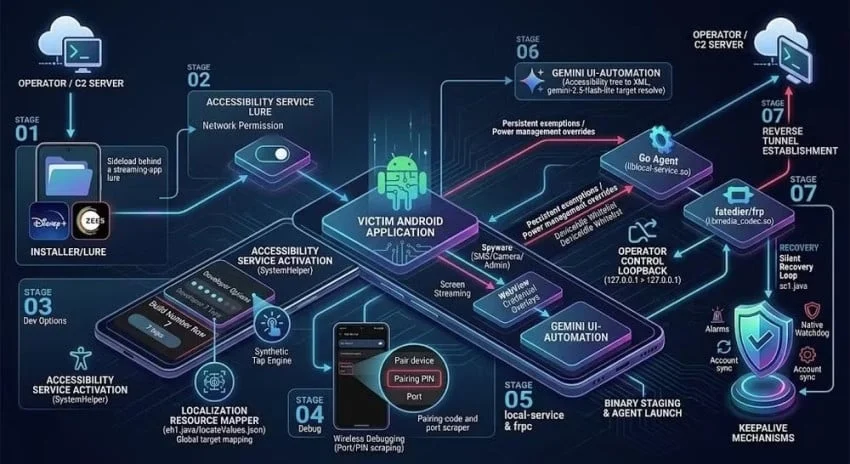
Unlike conventional spyware that relies on pre-programmed sequences, RatHat operates with a level of autonomy that makes it particularly dangerous. Upon infiltrating a device, the malware masks itself as legitimate software—frequently impersonating essential utilities like Google Chrome. The distribution mechanism typically involves social engineering, where users are redirected to meticulously crafted landing pages designed to mirror the interface of the official Google Play Store. By mimicking the visual language of a trusted platform, the attackers effectively lower the victim’s guard, prompting them to initiate a download of the malicious package.

Once the application is installed, the malware’s primary objective is to secure the "Accessibility Service" permissions. While these services are a foundational component of Android’s design, intended to assist users with disabilities by allowing applications to interact with the UI on the user’s behalf, they are a double-edged sword. In the context of RatHat, these permissions provide the malware with a "god-mode" capability, enabling it to read screen content, perform gestures, and interact with other applications without the user’s active participation.

The Technical Execution: From Installation to Full Control

The lifecycle of a RatHat infection follows a precise, multi-stage trajectory. After obtaining the necessary accessibility permissions, the malware initiates a series of behind-the-scenes operations to escalate its privileges. According to the analysis provided by Zimperium researchers, the malware systematically navigates the device’s settings to enable "Wireless Debugging." This is a feature intended for developers to test applications over a network, but in the hands of RatHat, it serves as a gateway for the malware to grant itself elevated access to the Android Debug Bridge (ADB) shell.

The ADB shell acts as a powerful command-line interface that provides deep access to the Android operating system’s core. By establishing this level of access, RatHat effectively strips away the protective barriers typically imposed by the Android OS. Once the shell is active, the malware deploys an AI-powered agent. This agent is capable of interpreting the device’s state in real-time, executing system-level commands, and adapting to the specific environment of the phone. Whether it is bypassing two-factor authentication (2FA) prompts by reading SMS codes or harvesting credentials from banking applications, the AI-driven agent performs these tasks with a speed and efficiency that far outpaces manual or traditional automated attacks.

Chronology and Identification of the Campaign

While the public disclosure occurred in late September, cybersecurity analysts believe that the infrastructure supporting RatHat has been under development for several months. The discovery is part of a broader, ongoing investigation into the modernization of mobile threats.

  • Mid-2024: Initial indicators of suspicious traffic patterns involving unauthorized ADB access on consumer devices began appearing in threat intelligence feeds.
  • August 2024: Zimperium’s mobile threat defense team detected a spike in "impersonation applications" that bypassed standard Play Protect checks through sophisticated obfuscation techniques.
  • September 20, 2024: Comprehensive analysis of the RatHat payload confirmed the integration of AI-based automation, leading to the public alert regarding its capability to steal financial data and authentication tokens.

The speed at which these campaigns evolve suggests that threat actors are rapidly iterating their software, moving away from "one-size-fits-all" malware toward highly specialized, adaptive tools that can target specific banking apps or cryptocurrency wallets depending on the geographic location of the victim.

The Broader Implications for Mobile Security

The rise of RatHat underscores a critical systemic vulnerability: the inherent trust model of the Android Accessibility Service. While Google has implemented stricter policies regarding the use of these services in recent versions of Android, malicious actors have found ways to trick users into granting these permissions through deceptive UI overlays and urgent security warnings.

Data from the 2024 Mobile Threat Report indicates that mobile malware incidents have increased by approximately 22% year-over-year. The shift toward AI-assisted malware is particularly concerning for financial institutions. With the increasing reliance on mobile devices for banking, digital wallets, and authentication, the threat posed by RatHat goes beyond simple data theft. It represents a threat to the integrity of the digital identity of the user. If an attacker can control a device via an ADB shell, they can effectively mirror the user’s identity, making it nearly impossible for traditional fraud detection systems to distinguish between a legitimate transaction and a malicious one.

Official Responses and Mitigation Strategies

While Google has not released a specific statement regarding the RatHat campaign, the company has consistently updated its Google Play Protect ecosystem to detect apps that attempt to exploit accessibility features. However, the nature of RatHat—often distributed outside of the official Play Store—means that users who engage in "sideloading" (installing apps from third-party sources) remain the most vulnerable.

Security experts, including those from Zimperium, emphasize that the primary defense remains user education and technical hygiene. Recommendations for protecting against AI-driven threats include:

  1. Vigilance with Accessibility Services: Users should be extremely cautious about granting accessibility permissions to any app, especially those that do not clearly require such capabilities for their stated function.
  2. Avoid Sideloading: Only download applications from official, verified sources like the Google Play Store. Even then, users should check developer credentials and review user feedback for inconsistencies.
  3. Monitor Developer Settings: Regularly audit the "Developer Options" in Android settings. If Wireless Debugging is enabled without the user’s knowledge, it is a definitive sign of a compromise.
  4. Use Mobile Endpoint Security: For enterprise environments, the deployment of mobile threat defense (MTD) solutions that can detect anomalous system-level behavior is essential.

Analysis: The AI Arms Race in Cybersecurity

The integration of AI into malware like RatHat represents a paradigm shift in the cybersecurity landscape. Historically, malware was static; once a signature was identified, antivirus software could effectively block it. However, an AI-powered agent can modify its own behavior based on the security measures it encounters. It can detect if it is being run in a virtualized sandbox (a common technique for researchers to analyze malware) and choose to remain dormant or execute benign tasks instead of its malicious payload.

This "adaptive" capability forces security vendors to move away from signature-based detection and toward behavioral analysis. The implication is clear: the future of mobile security will be defined by an AI arms race. Security vendors must employ their own machine-learning models to detect the subtle, non-human patterns of behavior that occur when an AI-driven malware agent takes control of a device’s interface.

As we move toward the end of 2024, the RatHat incident serves as a stark reminder that the complexity of mobile devices is matched only by the sophistication of those seeking to exploit them. For the average user, the takeaway is that mobile security is no longer a passive experience. It requires active vigilance, a healthy skepticism of prompts, and an understanding that the convenience of modern technology comes with the necessity of robust digital self-defense. The era of AI-enhanced threats has arrived, and the global security infrastructure must evolve with equal speed to meet the challenge.

September 22, 2026 0 comment
0 FacebookTwitterPinterestEmail
Automotive

The End of an Era: Robert Mugabe Resigns as President of Zimbabwe After Nearly Four Decades in Power

by Reynand Wu September 22, 2026
written by Reynand Wu

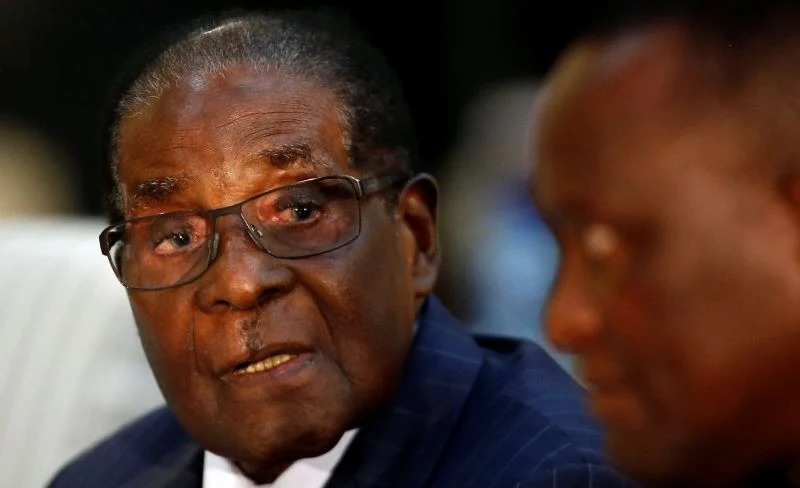
The political landscape of Southern Africa underwent a historic transformation on Wednesday, November 22, 2017, when Robert Gabriel Mugabe officially stepped down as the President of Zimbabwe. At the age of 93, the world’s oldest sitting head of state at the time relinquished the power he had held for nearly forty years. His resignation brought a dramatic end to a tumultuous week defined by a military takeover, mass street protests, and impending impeachment proceedings in parliament.

Mugabe’s departure marked the closure of a complex chapter in modern African history—transitioning from a celebrated anti-colonial liberation hero to an authoritarian ruler whose policies ultimately crippled a once-prosperous nation. Across the capital city of Harare and throughout the country, the news of his resignation triggered spontaneous celebrations. Thousands of citizens flooded the streets, dancing, singing, and waving Zimbabwean flags, expressing an overwhelming sense of liberation and hope for a democratic future.

The Chronology of the Crisis: From Military Intervention to Resignation

The events leading to Robert Mugabe’s resignation unfolded rapidly over a tense eight-day period in November 2017. The catalyst for the crisis was an intensifying succession battle within the ruling Zimbabwe African National Union-Patriotic Front (ZANU-PF) party. For months, a faction loyal to Mugabe’s wife, Grace Mugabe, had been locked in a bitter power struggle with veterans of the liberation struggle, most notably Emmerson Mnangagwa, the country’s long-serving Vice President.

On November 6, 2017, Mugabe dismissed Mnangagwa, accusing him of disloyalty and plotting to seize power through unorthodox means, including witchcraft. Mnangagwa fled the country, warning of retribution against the ruling elite. Sensing that Grace Mugabe—who was widely unpopular and viewed as an extravagant figure disconnected from the daily struggles of ordinary citizens—was poised to succeed her aging husband, the military stepped in.

In the early hours of November 15, 2017, the Zimbabwe National Army, led by General Constantino Chiwenga, launched a bloodless military intervention. Tanks rolled into Harare, seizing control of the state broadcaster, ZBC, and placing Robert and Grace Mugabe under house arrest. While military leaders vehemently denied staging a coup, insisting they were merely targeting the "criminals" surrounding the president who were steering the country toward economic and social ruin, the international community recognized the action as a de facto regime change.

Despite the military takeover, Mugabe initially resisted pressure to step down. He insisted on maintaining his constitutional legitimacy during negotiations brokered by military generals and southern African envoys. However, the political ground shifted dramatically on November 19, when ZANU-PF stripped Mugabe of his role as party leader and expelled his wife, replacing him with the newly returned Mnangagwa.

On November 21, as the Zimbabwean Parliament formally convened to initiate impeachment proceedings against the embattled leader, a letter of resignation from Mugabe was read aloud by the speaker of parliament, Jacob Mudenda. The legislative chamber erupted in rapturous applause, mirroring the jubilation taking place on the streets outside.

Early Life, Education, and the Rise of a Revolutionary

To understand the immense gravity of Robert Mugabe’s fall, it is essential to examine his rise to power. Born on February 21, 1924, in Kutama, located in the northeastern district of Salisbury (now Harare) in what was then the British colony of Southern Rhodesia, Mugabe grew up in a deeply religious, mission-educated household.

Displaying an exceptional intellect from a young age, Mugabe pursued education with relentless dedication. Before entering the political arena, he worked as a schoolteacher, a vocation that took him to various parts of Southern Rhodesia and neighboring Ghana. Over the course of his lifetime, Mugabe accumulated as many as seven academic degrees, earning qualifications in education, law, economics, and administration through distance learning while imprisoned or in office.

Mugabe’s political awakening occurred during a period of entrenched racial segregation and white minority rule under Prime Minister Ian Smith. In 1960, Mugabe joined the National Democratic Party, which was later banned by the colonial government. Implicated in delivering what the colonial authorities deemed "subversive speeches," Mugabe was arrested in 1964 and sentenced to a decade of imprisonment without trial.

The decade behind bars transformed Mugabe into a hardened revolutionary strategist. Following his release in 1974, he crossed the border into Mozambique, where he assumed leadership of the Zimbabwe African National Liberation Army (ZANLA), the military wing of ZANU. From exile, Mugabe orchestrated a protracted and bloody guerrilla war against the white-minority government.

The armed struggle, combined with international economic sanctions against Rhodesia, ultimately forced the Ian Smith regime to negotiate. The landmark Lancaster House Agreement of 1979 paved the way for democratic elections and internationally recognized independence. In April 1980, the independent nation of Zimbabwe was born, and Robert Mugabe assumed office as its first Prime Minister, hailed locally and globally as a visionary statesman committed to racial reconciliation and national development.

From Liberator to Authoritarian: The Decades of Decline

The early years of Mugabe’s administration were characterized by significant advancements in public education and healthcare, earning international acclaim. However, the promise of a prosperous, multiracial democracy gradually eroded as Mugabe centralized power and systematically dismantled institutional checks and balances.

A dark stain on his early tenure was the Gukurahundi massacres between 1983 and 1987, during which a North Korean-trained military brigade slaughtered an estimated 20,000 civilians in the Matabeleland region, predominantly targeting members of the minority Ndebele ethnic group who supported Mugabe’s political rival, Joshua Nkomo. Mugabe never formally apologized for the atrocities, framing the operation as a necessary measure to suppress dissidents.

In 1987, following constitutional amendments that abolished the post of Prime Minister, Mugabe transitioned from head of government to executive President. His personal life also underwent changes; his first wife, the Ghanaian-born Sally Hayfron, whom he married in 1961, passed away from kidney failure in 1992. In 1996, he married Grace Marufu, a former presidential secretary, in a lavish ceremony that drew criticism amid rising economic hardships.

By the late 1990s, mounting political opposition led by the Movement for Democratic Change (MDC), founded by trade unionist Morgan Tsvangirai, posed a genuine electoral threat to ZANU-PF. In response, Mugabe’s government initiated the controversial Fast Track Land Reform Program in 2000. Under the guise of addressing colonial land imbalances, the state seized productive commercial farms owned by white minorities and redistributed them to ruling-party loyalists, many of whom lacked agricultural expertise.

The chaotic land seizures crippled Zimbabwe’s agricultural sector, historically the backbone of the national economy. Foreign exchange reserves evaporated, leading to catastrophic hyperinflation in the late 2000s. At its peak in 2008, Zimbabwe’s inflation rate reached an astronomical 79.6 billion percent, rendering the local currency entirely worthless, wiping out the life savings of millions, and plunging the population into severe poverty, food insecurity, and widespread unemployment.

To maintain power, Mugabe increasingly relied on state-sponsored violence, judicial manipulation, and widespread electoral fraud during national polls in 2002, 2008, and 2013. Human rights organizations regularly documented arbitrary arrests, torture of political opponents, and the suppression of independent media.

Reactions from National and International Stakeholders

Mugabe’s resignation elicited a complex array of responses from the international community and domestic stakeholders. Western governments, which had imposed targeted sanctions on Mugabe and his inner circle due to human rights abuses and election rigging, cautiously welcomed his departure while emphasizing the need for democratic reforms and credible future elections.

African regional bodies, including the Southern African Development Community (SADC) and the African Union (AU), praised the peaceful manner in which the transition was handled, avoiding the large-scale civil conflict that many analysts had feared. However, critics noted that African leaders had long turned a blind eye to Mugabe’s authoritarian excesses, largely due to his status as a revered veteran of the continent’s anti-colonial struggles.

Domestically, civil society organizations and opposition figures expressed profound relief tempered by realistic caution. While citizens celebrated the end of the Mugabe era, many voiced concerns that the military intervention and the ascension of Emmerson Mnangagwa—a close confidant of Mugabe and a key figure in past state security apparatuses—represented a change of personnel rather than a fundamental shift in governance.

Implications and the Future of Post-Mugabe Zimbabwe

The removal of Robert Mugabe left profound political and economic implications for Zimbabwe. The immediate challenge facing the new administration under President Emmerson Mnangagwa was the stabilization of the collapsing economy. Rebuilding investor confidence, securing international financial bailouts from institutions like the International Monetary Fund and the World Bank, and addressing severe liquidity shortages required urgent structural reforms.

Politically, the transition tested the resilience of Zimbabwe’s democratic institutions. Analysts emphasized that true reform necessitated dismantling the entrenched patronage networks built by ZANU-PF over nearly four decades. Ensuring the independence of the judiciary, protecting freedom of the press, and guaranteeing free and fair elections became the primary benchmarks by which the post-Mugabe government would be judged by its citizens and the global community.

Ultimately, the fall of Robert Mugabe serves as a watershed moment in modern African political history. It demonstrated the limits of authoritarian endurance in the face of deep economic despair and public mobilization, while underscoring the enduring aspirations of ordinary citizens for accountable, democratic governance after decades of misrule.

September 22, 2026 0 comment
0 FacebookTwitterPinterestEmail
Automotive

TeRuCI Celebrates 19th Anniversary and 10th National Deliberation with Milestone Event in Lampung

by Nila Kartika Wati September 22, 2026
written by Nila Kartika Wati

The Terios Rush Club Indonesia (TeRuCI), one of the nation’s most prominent automotive communities, officially marked its 19th anniversary with a dual-purpose gathering in Lampung. The event, which also served as the 10th Musyawarah Nasional (Munas), or National Deliberation, brought together hundreds of members from across the Indonesian archipelago. This landmark occasion underscored the evolution of the club from a simple enthusiast gathering into a structured, nationwide organization dedicated to automotive excellence, brotherhood, and social responsibility.

A Legacy of Brotherhood and Organizational Growth

Established nearly two decades ago, TeRuCI has served as a central hub for owners of Daihatsu Terios and Toyota Rush vehicles. The organization’s longevity is a rarity in the fragmented landscape of automotive clubs, where many groups disband after only a few years of activity. According to the Kumendan Pusat of TeRuCI, Budhy Prihantoro, the key to the club’s survival lies in its foundational values of fraternity and shared purpose.

"Nineteen years represents a significant journey that has been meticulously built upon the foundation of true brotherhood," Prihantoro stated during the event. "The 10th Munas is a crucial turning point. It is not just a celebration of our past, but a strategic moment to reinforce our organizational structure, refine our internal policies, and ensure that TeRuCI remains a solid, forward-thinking entity in the years to come."

Klub Mobil Terios Rush Gelar Munas, Anggota dari Berbagai Daerah Kumpul

The Munas serves as the highest decision-making forum within the club. During this session, members evaluated past performance, discussed national membership trends, and elected new leadership frameworks intended to guide the club toward its second decade. By hosting this meeting in Lampung, the organizers aimed to decentralize the club’s activities, demonstrating that TeRuCI’s influence extends far beyond its headquarters in the capital, Jakarta.

The Evolution of Automotive Communities in Indonesia

The rise of clubs like TeRuCI mirrors a broader trend in Indonesia’s automotive landscape. As vehicle ownership—specifically in the Low Sport Utility Vehicle (LSUV) segment—has surged over the last twenty years, the need for communal support systems has grown in tandem.

Data from the Association of Indonesia Automotive Industries (GAIKINDO) consistently ranks the Terios and Rush models among the most popular vehicles in their class. Their durability, affordability, and adaptability for both urban commuting and long-distance touring have made them staples of the Indonesian middle class. TeRuCI has successfully leveraged this market dominance to create a robust social ecosystem.

Unlike casual hobbyist groups, modern automotive clubs in Indonesia have evolved into semi-professional entities. They often partner with manufacturers for technical support, engage in road safety advocacy, and organize large-scale cross-province convoys. The 19th anniversary of TeRuCI serves as a case study in how these communities can maintain engagement over nearly two decades by pivoting from purely automotive technical discussions to community-building and philanthropy.

Klub Mobil Terios Rush Gelar Munas, Anggota dari Berbagai Daerah Kumpul

Integrating Social Responsibility into Automotive Culture

A defining characteristic of the 19th-anniversary celebration was the integration of a Corporate Social Responsibility (CSR) program. As part of the festivities in Lampung, the TeRuCI delegation engaged in a philanthropic mission, delivering aid and donations to local boarding schools (pondok pesantren) in South Lampung.

Gofan Wijaya, the Chairperson of the 19th Anniversary and 10th Munas committee, emphasized that the club’s identity is increasingly defined by its commitment to societal impact. "We wanted this anniversary to be more than just a gathering of vehicles," Wijaya explained. "Our goal was to ensure that the event left a positive footprint in the host region. By supporting the local educational infrastructure in Lampung, we are demonstrating that our club is committed to the betterment of the communities we travel through."

This philanthropic approach is becoming a hallmark of reputable automotive clubs in Indonesia. It serves multiple purposes: it improves the public image of these clubs, which are often unfairly associated with reckless road behavior or excessive noise; it fosters a sense of collective purpose among members; and it strengthens the bond between the club and local authorities, which is vital for the logistical planning of future large-scale convoys.

The Logistical and Strategic Challenges of the 10th Munas

Organizing a national-level event of this magnitude requires months of preparation. The choice of Lampung as the venue provided both opportunities and challenges. Moving large groups of vehicles across the Sunda Strait involves complex logistical planning, including ferry coordination and traffic management.

Klub Mobil Terios Rush Gelar Munas, Anggota dari Berbagai Daerah Kumpul

During the Munas, delegates reviewed the club’s current operational status. Key topics of discussion included:

  1. Membership Retention: Strategies for engaging younger generations of Terios and Rush owners who may prefer digital engagement over physical meetings.
  2. Standardization of Safety: Updates to the club’s "Convoy Protocol," a set of internal rules designed to ensure that member vehicles do not disrupt public traffic flow during touring events.
  3. Institutional Collaboration: Discussions on how to better leverage the partnership with Daihatsu and Toyota to provide members with better maintenance resources and parts availability.
  4. Digital Transformation: The implementation of new platforms to manage membership databases, which currently span thousands of individuals across the Indonesian archipelago.

The professionalism shown during these sessions highlights how TeRuCI has transitioned from a loose group of friends into a structured organization capable of managing its own national policy framework.

Broader Implications and Future Outlook

The success of the 19th-anniversary event suggests that TeRuCI is well-positioned for its 20th-anniversary "platinum" year. However, the club faces a changing automotive landscape. With the government’s push toward electric vehicles (EVs) and hybrid technologies, the traditional internal combustion engine (ICE) vehicles that form the core of the club’s identity will eventually face shifts in maintenance requirements and fuel availability.

Industry analysts suggest that the next decade will be critical for such clubs. To remain relevant, TeRuCI will likely need to incorporate discussions regarding the future of mobility, vehicle modification regulations, and potentially the integration of newer, electrified SUV models into their membership criteria.

Klub Mobil Terios Rush Gelar Munas, Anggota dari Berbagai Daerah Kumpul

Moreover, the club’s focus on community service is a strategic hedge against potential regulatory crackdowns on large-scale automotive convoys. By positioning themselves as a positive force in the community, TeRuCI creates a "social license" that allows them to continue their touring activities with the support, rather than the suspicion, of local residents and police forces.

Conclusion

The 19th Anniversary and 10th Munas of TeRuCI in Lampung have set a high benchmark for Indonesian automotive communities. By successfully balancing organizational governance with a spirit of fellowship and a genuine commitment to social welfare, the club has solidified its position as a pillar of the Indonesian automotive scene.

As the club moves into its 20th year, the lessons learned in Lampung—the importance of decentralized operations, the necessity of giving back to local communities, and the value of clear internal governance—will undoubtedly serve as the blueprint for its continued growth. Whether through its technical contributions to members or its social contributions to the regions it visits, TeRuCI remains a testament to the idea that a car club is defined less by the machines its members drive and more by the values they share on the road.

September 22, 2026 0 comment
0 FacebookTwitterPinterestEmail
Automotive

Indonesia Targets 80 Percent Local Content in Electric Vehicles by 2030 to Strengthen National Manufacturing Sovereignty

by Suro Senen September 22, 2026
written by Suro Senen

The Indonesian government has officially set an ambitious, long-term roadmap to transform the nation into a global hub for electric vehicle (EV) manufacturing. By mandating a progressive increase in the local content requirement—known as the Tingkat Komponen Dalam Negeri (TKDN)—the government aims to ensure that the domestic automotive industry moves beyond simple assembly processes to become a fully integrated ecosystem. The target stipulates that by 2030, electric vehicles produced within the country must achieve at least 80 percent domestic component usage, a move designed to stimulate local supplier growth and reduce reliance on imported industrial parts.

Minister of Industry Agus Gumiwang Kartasasmita underscored this strategic mandate during the recent inauguration of the BYD electric vehicle manufacturing facility in Subang, West Java. This facility represents a significant milestone in Indonesia’s industrial policy, marking the transition from a consumer market to a production powerhouse. The minister emphasized that the government’s approach is not merely about attracting foreign capital, but about fostering a sustainable and deep-rooted industrial structure that benefits the national economy.

The Chronology of TKDN Implementation

The government’s strategy is structured through a phased, data-driven timeline designed to allow manufacturers sufficient time to localize their supply chains. The regulation mandates the following trajectory for the minimum TKDN values:

  • Phase 1 (Current to 2026): Manufacturers are required to meet a minimum of 40 percent local content. This initial hurdle ensures that early-stage entrants focus on building domestic assembly lines and establishing initial relationships with local component manufacturers.
  • Phase 2 (2027 to 2029): The requirement scales up to 60 percent. During this period, the government expects deeper localization, specifically in the production of sub-assemblies, vehicle chassis components, and localized electronic control systems.
  • Phase 3 (2030 and beyond): The mandate reaches its peak at 80 percent. At this stage, the policy aims to ensure that high-value components—potentially including battery pack integration and critical powertrain elements—are sourced or manufactured within Indonesian borders.

This tiered approach is designed to balance the necessity of attracting foreign direct investment (FDI) with the long-term objective of building indigenous technological capabilities.

Industrial Landscape and Economic Contributions

The impact of these regulations is already visible in the surge of interest from international automotive giants. Currently, 14 major manufacturing companies have committed to the Indonesian electric vehicle sector. These firms have collectively invested approximately Rp24.131 trillion into the nation, resulting in an annual production capacity of 409,860 units.

This growth is a vital component of Indonesia’s broader economic strategy, particularly as the manufacturing sector continues to outperform other segments of the national economy. In the second quarter of 2026, the non-oil and gas processing industry grew by 5.32 percent year-on-year, outpacing the national economic growth rate of 5.29 percent.

The manufacturing sector remains the engine of the Indonesian economy, contributing 16.83 percent to the national Gross Domestic Product (GDP), a value equivalent to Rp1,102.88 trillion. Furthermore, the sector is a massive employer, providing jobs for 19.99 million people as of early 2026. This labor intensity underscores the importance of the government’s push for deeper industrialization; by moving up the value chain, Indonesia is not only creating high-quality manufacturing jobs but also shielding its economy from the volatility of global commodity markets.

Global Competitiveness and Strategic Positioning

Beyond local metrics, Indonesia is rapidly ascending the ranks of global manufacturing powerhouses. According to World Bank data from 2025, Indonesia’s Manufacturing Value Added (MVA) reached $275.61 billion, propelling the country to the 12th position globally—an improvement from its previous ranking of 13th.

Within Southeast Asia, Indonesia stands unrivaled in terms of manufacturing scale, with an MVA more than double that of its closest regional competitor, Thailand. On a continental scale, Indonesia has cemented its place as the fifth-largest manufacturing force in Asia, trailing only the established industrial giants: China, Japan, India, and South Korea.

The significance of this growth cannot be overstated. In the first half of 2026 alone, non-oil and gas processed commodities generated $115.50 billion in export value, accounting for 82.03 percent of Indonesia’s total exports. This highlights that the nation is successfully diversifying its economy away from raw material extraction toward high-value industrial manufacturing.

Challenges and Policy Implications

While the trajectory is positive, analysts point out that achieving 80 percent TKDN by 2030 requires substantial investment in the upstream supply chain. "The challenge," notes a senior industrial policy observer, "lies in the battery sector and the specialized engineering required for electric motors. Meeting the 80 percent threshold requires more than just assembling frames; it requires an ecosystem of component suppliers that can meet international quality standards at competitive prices."

The government’s "affirmative action" approach—which includes tax incentives, infrastructure support, and favorable investment climates—is intended to bridge this gap. By forcing the hand of manufacturers, the government is essentially creating a guaranteed market for domestic suppliers. This "captive market" strategy encourages local businesses to upgrade their machinery and workforce skills to satisfy the demanding requirements of global EV brands.

Furthermore, the stability of the investment environment remains paramount. With Rp199.48 trillion in manufacturing investment recorded in Q2 2026, which represents nearly 39 percent of all national investment, the government must ensure that regulatory frameworks remain consistent. Investors in the EV sector require long-term policy certainty to justify the massive capital expenditure associated with building automated production facilities and testing laboratories.

The Role of Technology Transfer

A crucial, often overlooked element of the TKDN roadmap is the implicit requirement for technology transfer. By mandating higher local content, the government effectively compels multinational corporations to work closely with local vendors. This collaboration is expected to facilitate the transfer of technical expertise, quality control standards, and advanced manufacturing processes to the Indonesian workforce.

As these firms compete to meet the 80 percent local content goal, they are incentivized to establish R&D centers within Indonesia. These centers are essential for the long-term goal of not just producing foreign designs, but eventually contributing to the design and engineering of vehicles tailored to the specific needs of the ASEAN market.

Looking Ahead: The 2030 Vision

As Indonesia moves toward 2030, the success of the EV roadmap will likely be measured by the emergence of a domestic "battery-to-car" supply chain. If the government succeeds, the country will transition from an importer of automotive technology to an exporter of finished electric vehicles, potentially becoming the primary source of supply for the growing electric mobility markets across Southeast Asia and beyond.

The data supports the feasibility of this vision. With a robust manufacturing foundation, a massive labor force, and a clear regulatory path, Indonesia has established the necessary conditions for industrial success. The focus now shifts to the execution of these policies: maintaining the momentum of investment, ensuring the competitiveness of local suppliers, and continuing to integrate Indonesia into the global electric vehicle value chain.

The inauguration of the BYD facility in Subang is not merely a symbolic event; it is a signal to the global automotive industry that Indonesia is open for business, provided that business contributes to the domestic industrial fabric. For policymakers, the next few years will be critical in ensuring that the infrastructure—ranging from power grids to logistics—can support this massive industrial scale-up. If current trends continue, the 2030 target of 80 percent local content may serve as the catalyst that permanently alters the nation’s economic landscape, transforming Indonesia into an indispensable player in the future of global green transportation.

September 22, 2026 0 comment
0 FacebookTwitterPinterestEmail
Newer Posts
Older Posts

Recent Posts

  • Darmin: Urusan Perpanjangan Freeport Belum Selesai
  • Rizal Ramli Silent on Petral Dissolution Following Ministry Announcement to Disband Controversial Trading Arm Amid Governance Reforms
  • Jokowi and Rini Soemarno Inspect TPPI Tuban Refinery to Mark Strategic Revival for National Energy Security
  • Indonesia Harus Cari Alternatif Energi Selain Batu Bara
  • Sebelum Tinjau Kilang TPPI, Rini Soemarno Cicipi Semangka Tuban

Recent Comments

No comments to show.
  • Facebook
  • Twitter

@2021 - All Right Reserved. Designed and Developed by PenciDesign


Back To Top
Dara News Media
  • Home
  • About Us
  • Contact Us
  • Cookies Policy
  • Disclaimer
  • DMCA
  • Privacy Policy
  • Terms and Conditions

We are using cookies to give you the best experience on our website.

You can find out more about which cookies we are using or switch them off in .

Dara News Media
Powered by  GDPR Cookie Compliance
Privacy Overview

This website uses cookies so that we can provide you with the best user experience possible. Cookie information is stored in your browser and performs functions such as recognising you when you return to our website and helping our team to understand which sections of the website you find most interesting and useful.

Strictly Necessary Cookies

Strictly Necessary Cookie should be enabled at all times so that we can save your preferences for cookie settings.