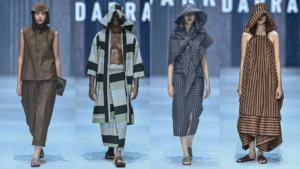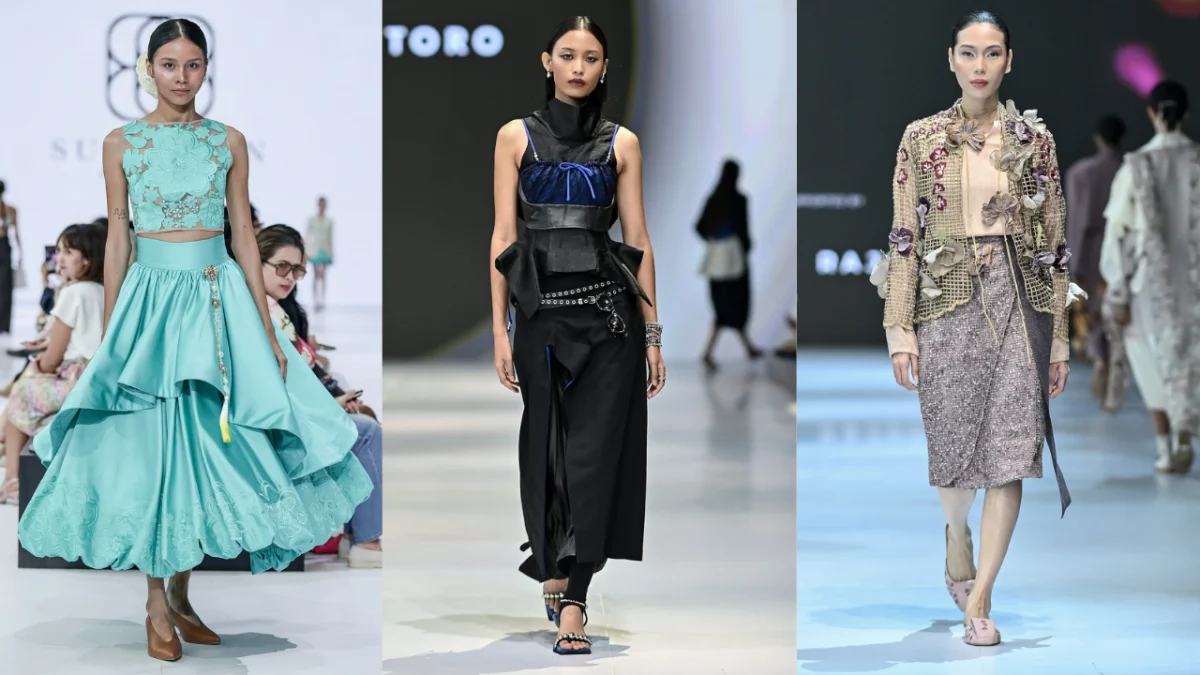
The Jakarta Fashion Week (JFW) 2027 runway resonated with the powerful ethos of contemporary womanhood as it hosted one of its most anticipated collaborative showcases, titled "BTN Presents: Dewi Luxe Market Future Femme." Designed to explore and redefine the multifaceted nature of modern femininity, the runway presentation brought together three distinguished Indonesian fashion labels: Glashka, Natalia Kiantoro, and Suedeson by Kimberly Tandra. Each designer contributed a distinct aesthetic vocabulary, collectively weaving a narrative centered on resilience, elegance, and the evolving lifestyle demands of the 21st-century woman.
The event, supported by Bank Tabungan Negara (BTN) through its Dewi Luxe Market platform, underscored the growing commercial viability and international design caliber of Indonesia’s high-end local fashion houses. As sustainable practices, precise tailoring, and poetic artisanal crafts took center stage, the showcase provided both industry insiders and fashion enthusiasts with a comprehensive look at where Indonesian womenswear is heading in the coming years.
The Evolution of Jakarta Fashion Week and the Rise of Collaborative Showcases
To understand the weight of the "Future Femme" showcase, one must look at the broader trajectory of Jakarta Fashion Week, widely regarded as the premier fashion event in Southeast Asia. Established as a strategic annual anchor for the Indonesian creative economy, JFW has evolved far beyond a seasonal runway display. Over the past decade, it has transformed into a comprehensive ecosystem fostering incubation, retail integration, and global market readiness for local designers.
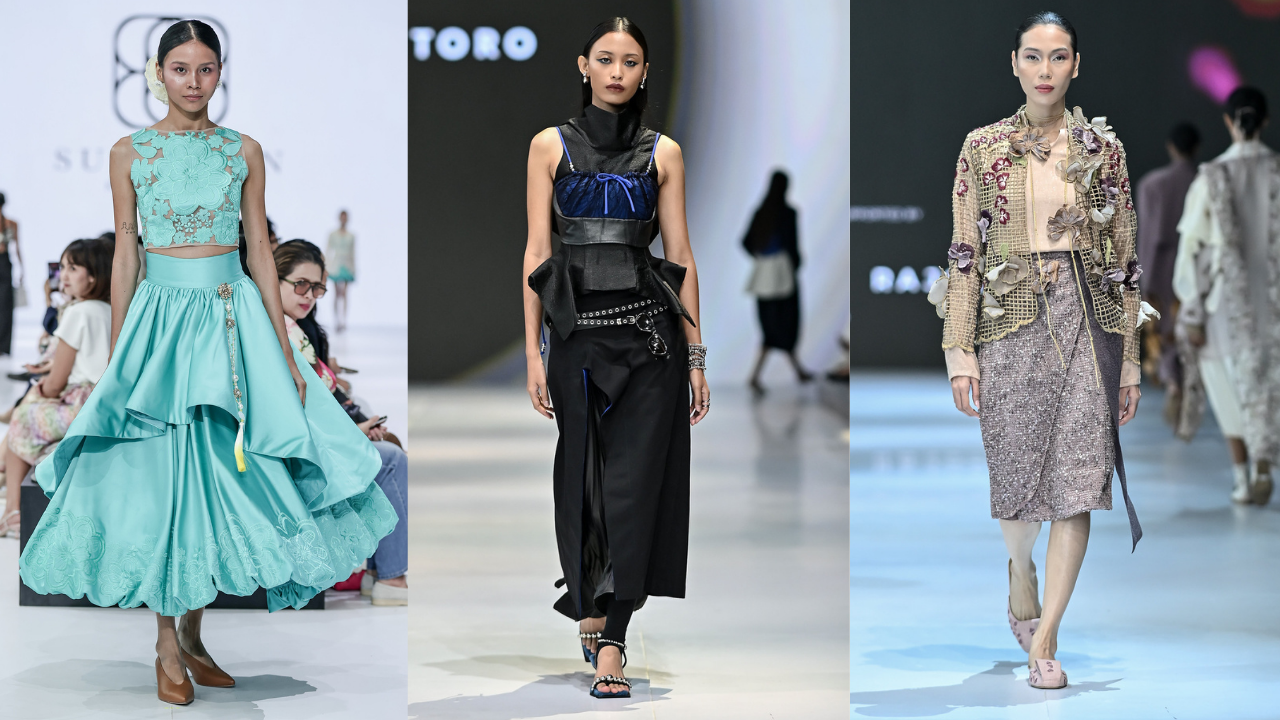
The inclusion of collaborative platforms like the Dewi Luxe Market (DLM) highlights a strategic shift in how fashion is presented and consumed in Indonesia. Rather than relying solely on individual solo shows, curated group showcases allow designers to pool their conceptual strengths around a unified thematic anchor. For JFW 2027, the theme of modern femininity served as a timely response to shifting cultural paradigms. As women increasingly balance leadership roles, creative pursuits, and personal well-being amidst rapid urbanization and digital saturation, the fashion industry has been tasked with creating garments that serve as both a second skin and a statement of empowerment.
The collaborative vision presented by Glashka, Natalia Kiantoro, and Suedeson successfully addressed this mandate by translating psychological and emotional states into tangible sartorial choices. Industry analysts noted that group showcases of this scale not only optimize production and marketing resources for the participating labels but also offer consumers a well-rounded retail narrative that bridges runway creativity with wearable luxury.
Glashka’s "Di Sini, Di Antara": Redefining Modest Wear Through a Contemporary Lens
Opening the segment with deep introspection, the label Glashka presented a collection titled "Di Sini, Di Antara" (Here, In Between), addressing the psychological landscape of the modern individual caught between physical presence and mental multitasking. In an era dominated by hyper-connectivity and fast-paced cultural shifts, Glashka tackled the challenge of designing clothing that offers psychological grounding alongside physical comfort.
The collection served as a significant milestone in the redefinition of contemporary modest fashion. Moving away from traditional interpretations, Glashka’s pieces were engineered to transition seamlessly across multiple environments—from corporate boardrooms to casual social engagements, and evening gatherings. This versatility is crucial for the modern urban woman, whose daily schedule often demands a wardrobe capable of multi-tasking without compromising modesty or sophistication.

A standout element of Glashka’s presentation was its commitment to artisanal heritage fused with modern craftsmanship. The collection featured intricate, handcrafted embroidery motifs depicting a signature three-petaled flower, which serves as the brand’s emblem for warmth, nurturing strength, and resilience.
Furthermore, Glashka’s dedication to sustainability was highlighted through a strategic partnership with footwear designer Marista Santividya. By upcycling production remnants into stylish, durable footwear, the collaboration demonstrated a closed-loop design philosophy that resonates deeply with eco-conscious consumers. Fashion critics praised this synergy, noting that it elevates upcycled fashion from a niche movement into a core component of luxury sustainable design.
Natalia Kiantoro: Exploring the Duality of Structure and Fluidity
Following the contemplative mood set by Glashka, designer Natalia Kiantoro brought a masterclass in architectural precision and emotional contrast to the runway. Known for her sharp eye for geometry and contemporary tailoring, Kiantoro’s collection explored the complex dualities inherent in the female identity: the delicate balance between tension and softness, power and grace, structural rigor and fluid movement.
Kiantoro’s design philosophy hinges on the belief that seemingly opposing forces can coexist in total harmony. On the runway, this philosophy translated into garments that juxtaposed sharp, masculine-inspired blazers with soft, billowing silk underlayers; structured corsetry paired with relaxed-fit trousers; and monochrome palettes interrupted by sudden bursts of architectural color blocking.

The precision of the tailoring was immediately evident, utilizing high-grade fabrics that held their form while allowing the wearer unrestricted movement. Industry commentators observed that Kiantoro’s approach speaks directly to the modern professional woman who commands authority yet retains her innate grace. By avoiding fleeting micro-trends in favor of timeless, structurally sound silhouettes, Kiantoro reinforced her position as a champion of sustainable longevity in fashion, where garments are built to endure seasons of wear both physically and stylistically.
Suedeson by Kimberly Tandra: "Her Bloom" and the Poetry of Botanical Craft
Bringing a vibrant yet delicate conclusion to the "Future Femme" showcase, Suedeson by Kimberly Tandra presented "Her Bloom," a deeply poetic collection that charted the emotional seasons of a woman’s life. Tandra, renowned for her romantic aesthetic and profound appreciation for textile art, used the runway to celebrate inner resilience, particularly focusing on how women blossom even through periods of profound personal adversity.
"Her Bloom" drew heavy inspiration from botanical forms, translating the morphology of flowers and foliage into complex textile treatments, including dimensional appliqués, laser-cut detailing, and hand-painted prints. The silhouettes were noticeably fluid and feminine, designed to sway gracefully with every movement, creating a visual rhythm that captivated the audience.
In terms of color theory, Suedeson deployed a fresh summer palette dominated by radiant turquoise—a hue symbolizing healing, protection, and clarity—balanced expertly against sophisticated neutral tones. This juxtaposition prevented the collection from leaning into overly whimsical territory, anchoring the romantic designs in mature, wearable luxury.

The intricate hand-craftsmanship embedded in each piece underscored Suedeson’s dedication to preserving traditional artisan techniques within a modern luxury framework. Observers noted that the collection successfully bridged the gap between haute couture detailing and ready-to-wear accessibility, offering a breath of fresh air to the overall JFW 2027 lineup.
The Broader Implications of "Future Femme" for the Indonesian Fashion Economy
The success of the "BTN Presents: Dewi Luxe Market Future Femme" showcase extends far beyond the applause that echoed through the main tent of Jakarta Fashion Week 2027. Analysts examining the commercial impact of the event point out several vital economic and cultural implications for the Indonesian fashion industry.
First, the collaboration highlights the expanding role of the banking and financial sector in supporting creative industries. Partnerships such as the one between JFW and BTN provide essential financial backing, marketing infrastructure, and retail platforms that allow independent designers to scale their operations. In a post-pandemic economic landscape where operational costs have risen globally, institutional support acts as a vital catalyst for international expansion and domestic retail growth.
Second, the distinct focus on sustainability—exemplified by Glashka’s upcycled footwear collaboration, Natalia Kiantoro’s durable tailoring, and Suedeson’s localized artisanal production—reflects a maturing market. Indonesian consumers, particularly Gen Z and Millennial demographic cohorts, are increasingly demanding transparency, ethical sourcing, and environmental responsibility from local brands. By embedding these values into high-end collections, these three labels have proven that sustainability and luxury are not mutually exclusive, but rather mutually reinforcing.

Finally, the international visibility garnered by JFW 2027 continues to position Jakarta as a central fashion capital in Asia. As global buyers and media outlets turn their attention toward Southeast Asia for fresh design perspectives, showcases like "Future Femme" demonstrate that Indonesian designers possess the technical mastery, conceptual depth, and cultural richness required to compete on the global stage.
Conclusion: A Definitive Statement on Tomorrow’s Wardrobe
As the final models took their collective bow under the dramatic lighting of the Jakarta Fashion Week 2027 runway, the overarching message of "BTN Presents: Dewi Luxe Market Future Femme" remained unmistakably clear. Through Glashka’s inclusive, mindful modest wear, Natalia Kiantoro’s empowering structural dualities, and Suedeson’s poetic botanical craftsmanship, the showcase provided a comprehensive blueprint for the wardrobe of tomorrow.
By honoring the multifaceted realities of modern women—their strength, vulnerability, intellect, and creativity—these three designers have not only elevated the standard of Indonesian fashion design but have also crafted a lasting cultural artifact of what it means to be a woman navigating the complexities of the contemporary world.