
The quest for longevity has long dominated nutritional science, shifting the focus from mere caloric intake to the functional density of specific food groups. Among the vast array of cruciferous vegetables, broccoli—scientifically known as Brassica oleracea—has emerged as a nutritional powerhouse, consistently recommended by dietitians and researchers as a cornerstone of a longevity-focused diet. Recent dietary assessments underscore that the integration of this vegetable into daily routines is not merely a matter of habit but a strategic intervention against age-related physiological decline.
According to insights provided by Kelly Burgess, MBA, RD, writing for Eating Well, the biological efficacy of broccoli stems from its complex chemical profile. It is a dense source of dietary fiber, vitamin C, carotenoids, flavonoids, and phenolic acids. These components act in concert to modulate the gut microbiome, mitigate systemic inflammation, and provide a defense mechanism against the cellular degradation that naturally accumulates over time.
The Mechanism of Cellular Longevity
The nutritional profile of broccoli is characterized by a high concentration of bioactive compounds that directly influence cellular aging. One of the most notable components is sulforaphane, an isothiocyanate produced when the plant’s precursor, glucoraphanin, is converted by the enzyme myrosinase during mastication or chopping.
Sulforaphane serves as a potent activator of the Nrf2 pathway, a primary cellular defense mechanism that regulates the expression of antioxidant proteins and detoxification enzymes. As individuals age, the efficiency of these internal defense systems often wanes, leading to an increase in oxidative stress—a primary driver of chronic disease and cellular senescence. By introducing sulforaphane through regular broccoli consumption, the body is better equipped to upregulate these defenses, potentially slowing the accumulation of molecular damage.
Furthermore, empirical data suggests that sulforaphane contributes to improved insulin sensitivity and the reduction of inflammatory markers. Chronic, low-grade inflammation is widely recognized in medical literature as a key precursor to metabolic syndrome, cardiovascular disease, and cognitive decline. By dampening this inflammatory response, broccoli acts as a protective agent for systemic health.
The Crucial Role of Dietary Fiber
The importance of fiber in the human diet extends far beyond digestive regularity. Extensive longitudinal studies have consistently demonstrated an inverse relationship between high fiber intake and all-cause mortality. Research indicates that for every 10-gram increase in daily fiber intake, there is a statistically significant reduction in mortality risk ranging from 10% to 13%.
While broccoli may not hold the top position for fiber density compared to legumes or whole grains, its contribution to the daily recommended intake is substantial. When incorporated into a balanced diet—whether through raw salads, lightly sautéed dishes, or fiber-rich soups—broccoli provides a prebiotic environment in the gut. A healthy microbiome is essential for immune function, mental well-being, and metabolic stability, all of which are critical factors in the pursuit of a long and healthy lifespan.
Micronutrient Density and Physiological Maintenance
Beyond its antioxidant and fiber properties, broccoli serves as a comprehensive source of essential micronutrients that facilitate long-term health. Vitamin C, found in significant quantities in broccoli, is essential for collagen synthesis and immune system functionality. As an antioxidant, it also neutralizes free radicals that contribute to skin aging and vascular damage.
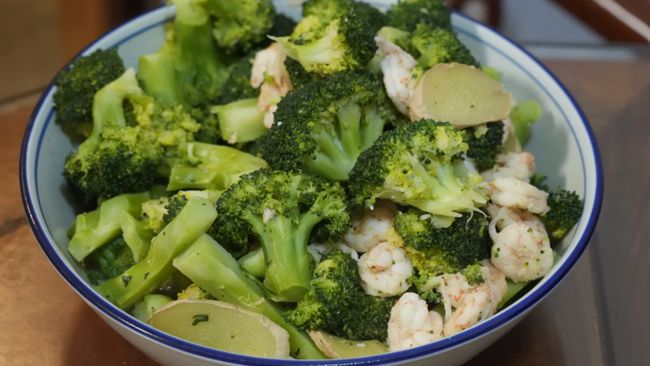
Vitamin K, another standout component of broccoli, is vital for bone mineralization and blood coagulation. Osteoporosis and fragility fractures are significant contributors to morbidity in the elderly population; therefore, maintaining adequate Vitamin K levels is an essential component of geriatric health strategy. Finally, Vitamin B9, or folate, plays a pivotal role in DNA synthesis and repair. Adequate folate levels are linked to lower risks of cardiovascular disease and may play a role in maintaining neurological function, providing a robust defense against cognitive deterioration.
Culinary Synergy and Dietary Integration
The effectiveness of broccoli in a longevity-promoting diet is enhanced by its culinary versatility. Nutritional synergy occurs when broccoli is combined with other nutrient-dense foods, such as extra virgin olive oil, nuts, seeds, and other vegetables. For instance, the fat-soluble vitamins present in broccoli, such as Vitamin K, are better absorbed when paired with healthy fats like olive oil.
Modern culinary techniques suggest that how broccoli is prepared significantly impacts its nutritional density. Quick steaming or light sautéing is generally preferred over prolonged boiling, which can lead to the leaching of water-soluble vitamins into the cooking water. Additionally, the inclusion of mustard seeds or mustard powder in recipes can replenish the enzyme myrosinase, which is often deactivated by heat, thereby ensuring the bioavailability of sulforaphane even after light cooking.
Broader Implications for Public Health
The consensus among health experts is that the "longevity diet" is not defined by singular superfoods but by the consistent consumption of nutrient-dense whole foods. Broccoli occupies a unique position in this paradigm due to its low glycemic index, high water content, and dense nutrient profile.
Public health initiatives in various regions have begun to emphasize the role of cruciferous vegetables in reducing the burden of non-communicable diseases. If widespread dietary shifts toward higher consumption of vegetables like broccoli were realized, the potential impact on public health expenditures—particularly those related to chronic inflammation and metabolic disease—would be profound.
The integration of such vegetables is not a substitute for medical intervention or genetic predisposition, but it represents an evidence-based approach to optimizing human health span. As the global population continues to age, the focus on preventative nutrition becomes increasingly vital.
Scientific Context and Future Directions
While the current understanding of broccoli’s benefits is robust, ongoing research continues to explore the limits of these effects. Studies are currently investigating the dosage requirements of sulforaphane for therapeutic outcomes and whether genetic variations in human metabolism affect the absorption of these compounds.
What remains clear is that the current scientific literature provides a compelling case for the inclusion of broccoli as a staple. The combination of antioxidant activity, fiber content, and essential micronutrients creates a multifaceted defense against the biological processes that define aging.
In summary, the transition toward a health-conscious lifestyle—one that prioritizes broccoli and similar vegetables—is supported by both historical nutritional data and modern clinical analysis. Whether through the activation of internal detoxification pathways or the provision of essential vitamins for bone and heart health, broccoli stands as an indispensable tool for those aiming to optimize their physical longevity. As individuals look to design diets that prioritize health span, the evidence dictates that the humble broccoli crown deserves a permanent place on the dinner plate, serving as a simple yet effective component of a comprehensive approach to long-term vitality.