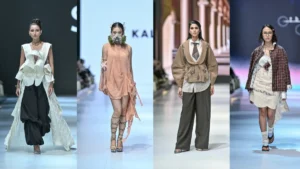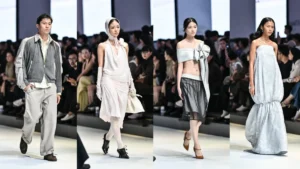
As the fashion industry transitions from the high-energy, light-saturated palettes of the summer months into the cooler, more introspective period of the second half of 2026, the sartorial focus has shifted toward substance, structure, and a sophisticated evolution of classic silhouettes. The Autumn/Winter 2026 season represents a pivot in consumer behavior, where the demand for "quiet luxury" meets a renewed appetite for dramatic, textural depth. Designers are increasingly prioritizing versatility, creating garments that bridge the gap between daytime professional environments and evening social commitments.
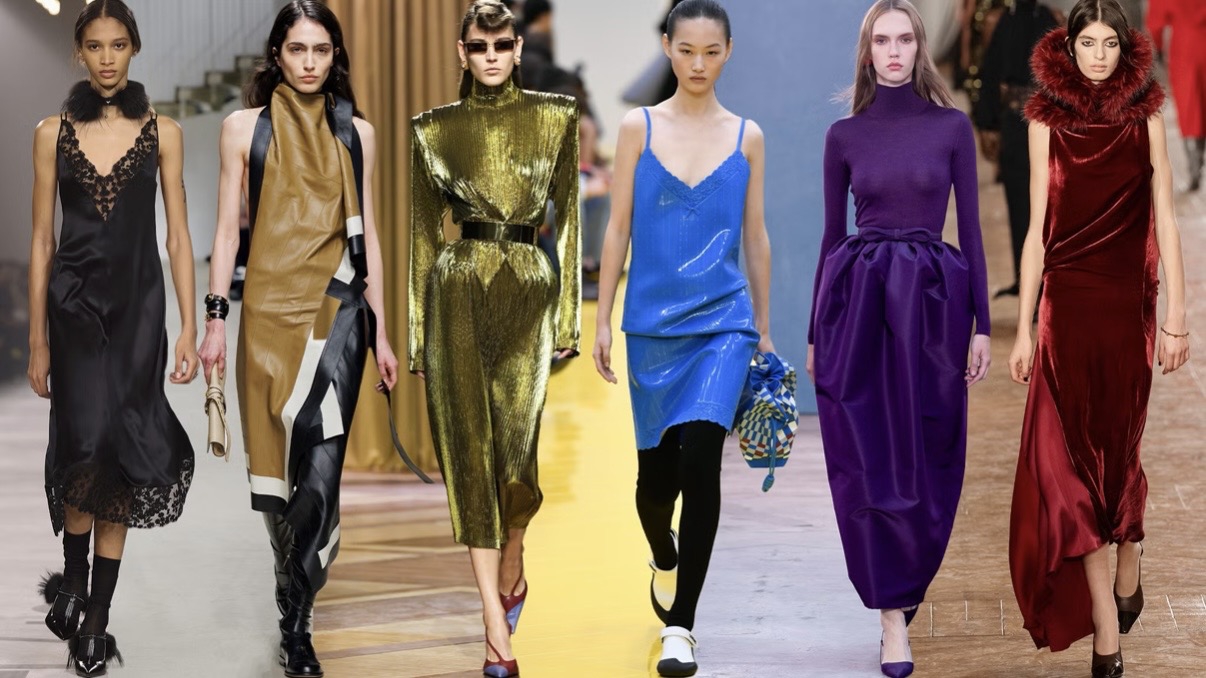
This seasonal evolution is marked by a deliberate departure from the ephemeral trends of the past two years. Instead, industry analysts note a return to tactile indulgence—specifically the heavy use of velvet, structured leather, and intricate lace—which provides both physical warmth and visual gravitas. As temperatures decline, the industry is witnessing a strategic pivot: hemlines are dropping, sleeves are lengthening, and the color palette is gravitating toward deep, saturated hues such as royal and eggplant purple, signaling a move toward maturity and longevity in wardrobe building.
The Shift Toward Tactile Luxury and Structural Integrity
Data from recent runway presentations in Paris, Milan, and New York indicate that textile innovation is the primary driver of the 2026 autumn aesthetic. Retail analysts suggest that consumers are moving away from disposable, trend-led purchases, opting instead for high-quality, durable materials that offer long-term value. This shift is evident in the resurgence of velvet and treated leather, which provide a sense of groundedness that lighter fabrics simply cannot replicate in colder weather.
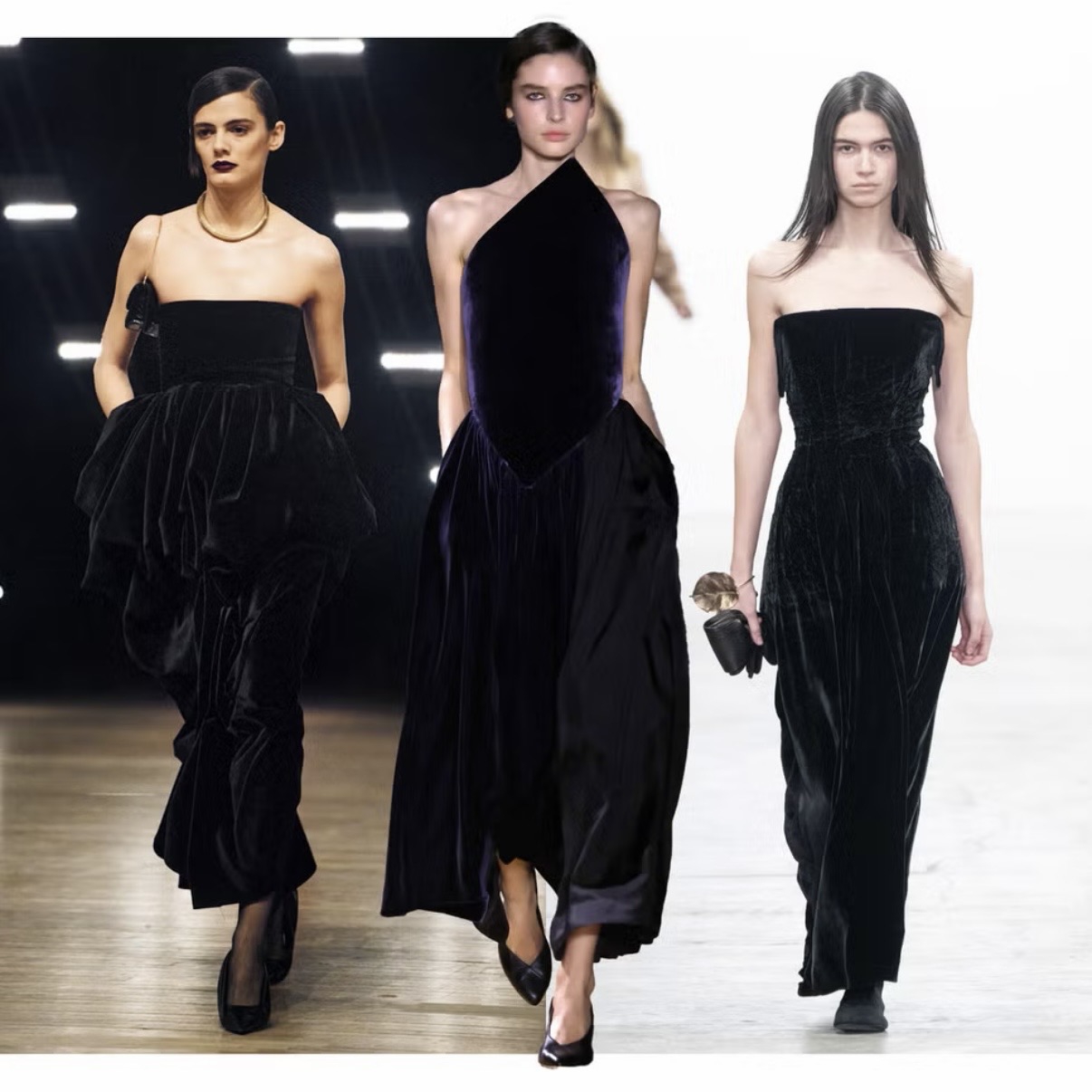
According to market research reports from the third quarter of 2026, luxury retailers have significantly increased their inventory of high-density fabrics. This shift is not merely stylistic but functional; the contemporary shopper expects a garment to be "weather-responsive," capable of being layered with technical outwear, stockings, and heavy boots without losing its structural integrity. The incorporation of volumetric shapes, such as puffed sleeves and architectural ruffles, allows these dresses to maintain a dramatic presence even when worn under heavier seasonal coats.
A Chronological Overview of Seasonal Style Development
The transition into the Autumn 2026 season followed a clearly defined timeline of industry events. Early in the year, pre-fall collections introduced the concept of the "dark bloom," moving away from the pastels of spring and toward the muted, moody florals that define the current season. By mid-year, during the major fashion weeks, the "Gothic Romance" trend emerged as a central theme, with designers like Saint Laurent and Fendi showcasing lace-heavy designs that echoed historical Victorian influences while maintaining a contemporary, minimalist edge.
As the industry moved toward the end-of-year gala season, the "Heavy Metal" trend became the focal point. This segment of the market caters specifically to the increased social calendar of the holiday season. The inclusion of metallic finishes—gold, silver, and bronzed fabrics—serves as a functional design choice, as these garments require minimal styling, appealing to the time-conscious professional who transitions directly from the office to a formal event.
Analysis of Key Trends for Autumn and Winter 2026
The following nine trends represent the core pillars of the upcoming season’s wardrobe, as curated by leading design houses and retail experts:
1. Velvet Underground: The Return of Opulence
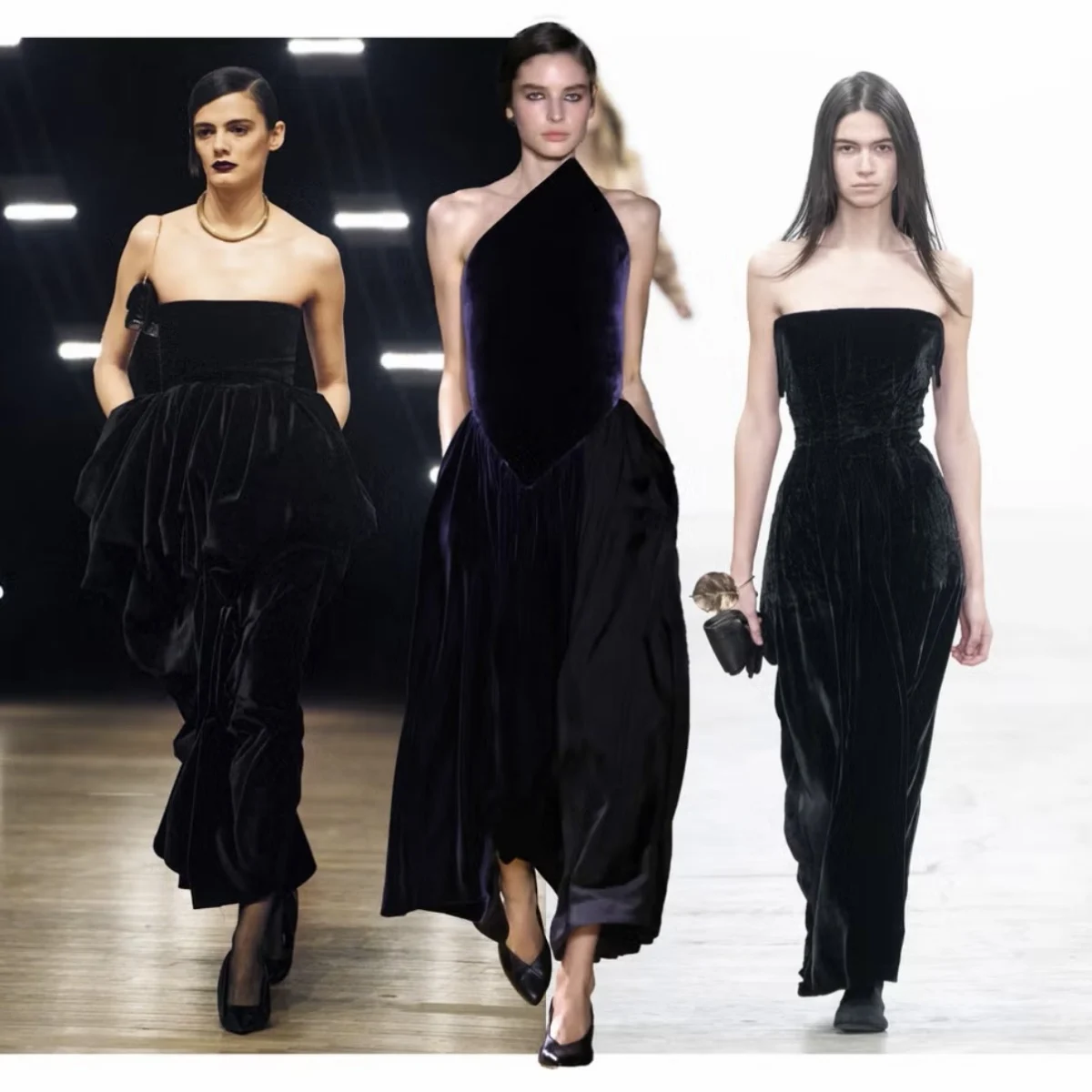
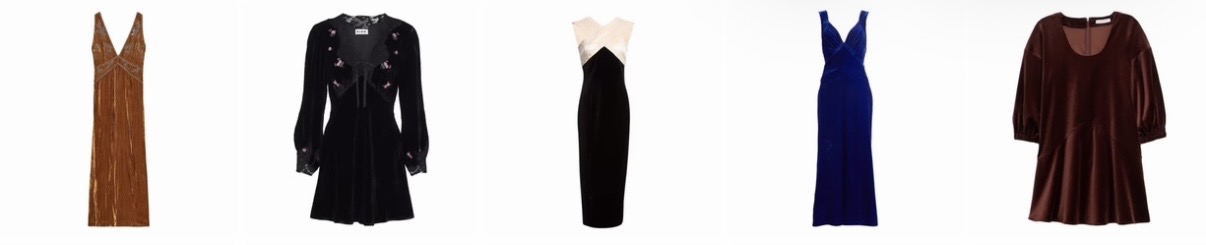
Velvet is no longer reserved for formal evening wear. Brands such as Khaite and Victoria Beckham have integrated velvet into daily workwear, utilizing it in column-style silhouettes that offer both comfort and a sense of "quiet" luxury. The tactile nature of the fabric makes it the most significant trend for the season, as it provides an instant update to any wardrobe without requiring excessive accessories.
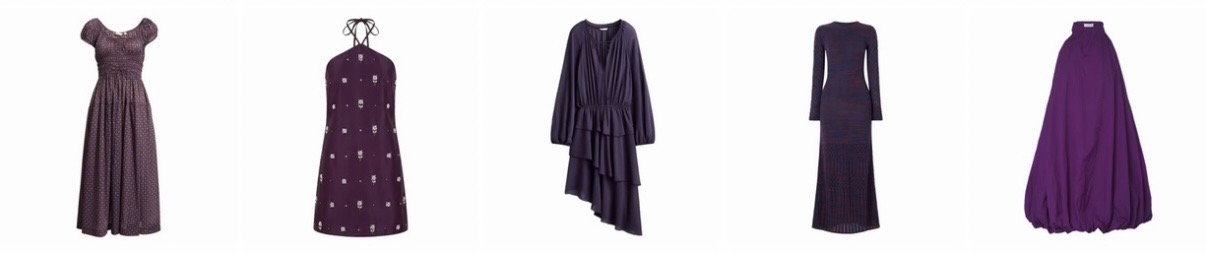
2. Purple Reign: The Dominant Seasonal Hue
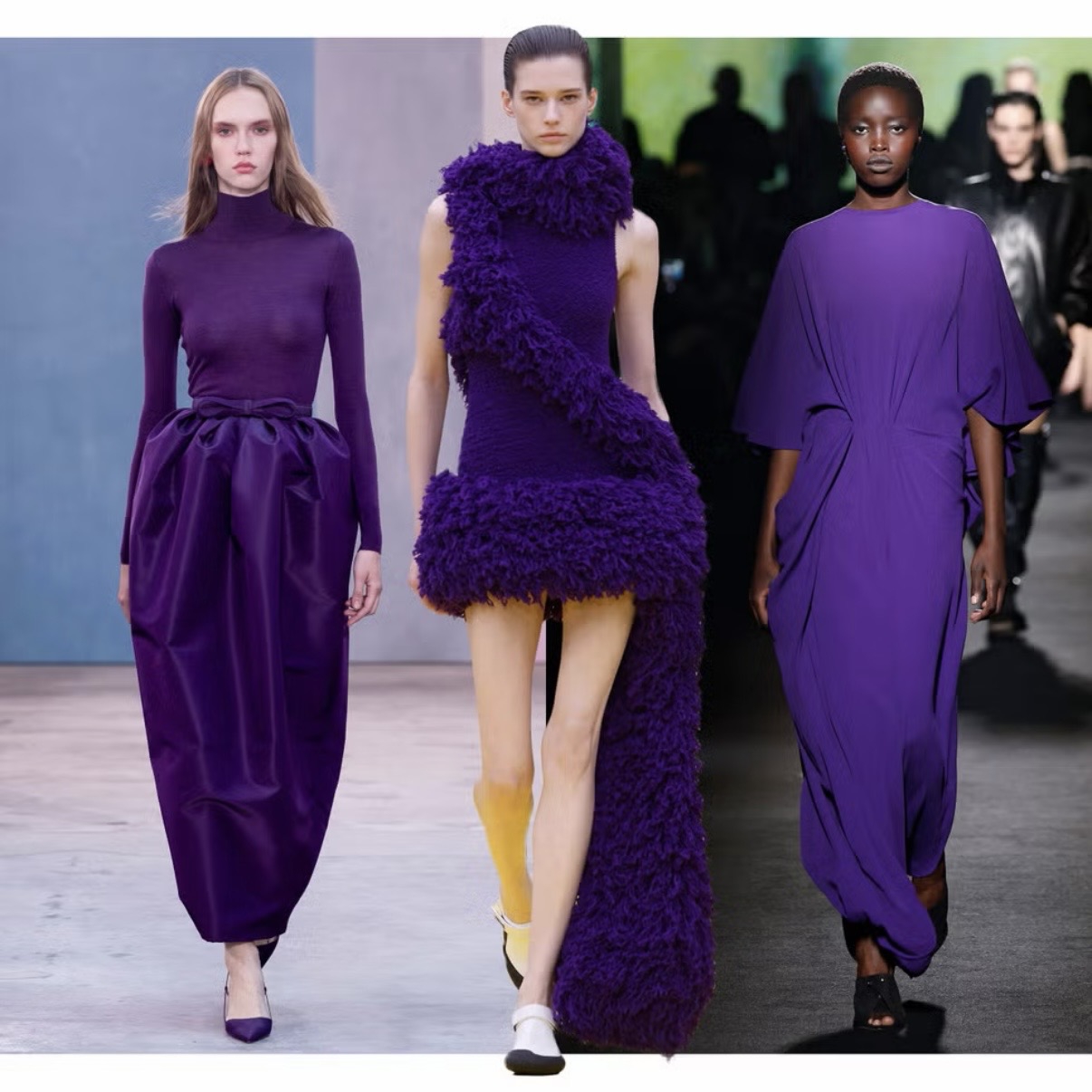
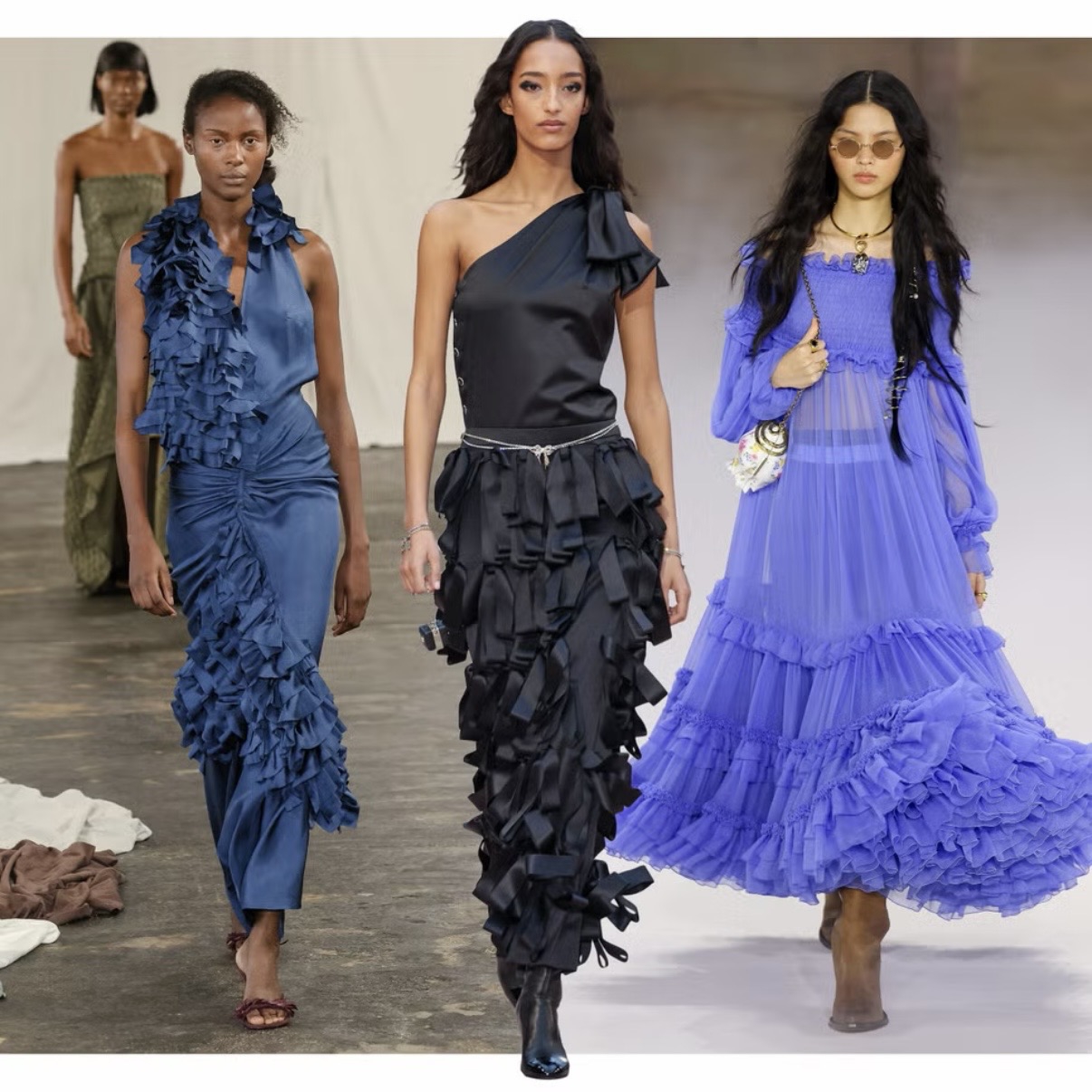
While neutrals remain a staple, the emergence of royal and eggplant purple has redefined the color spectrum for late 2026. This color profile is being utilized by houses like Loewe and Balenciaga to add a sophisticated, regal edge to otherwise simple, streamlined dress designs. It serves as a necessary contrast to the traditional autumn palette of browns and camels.
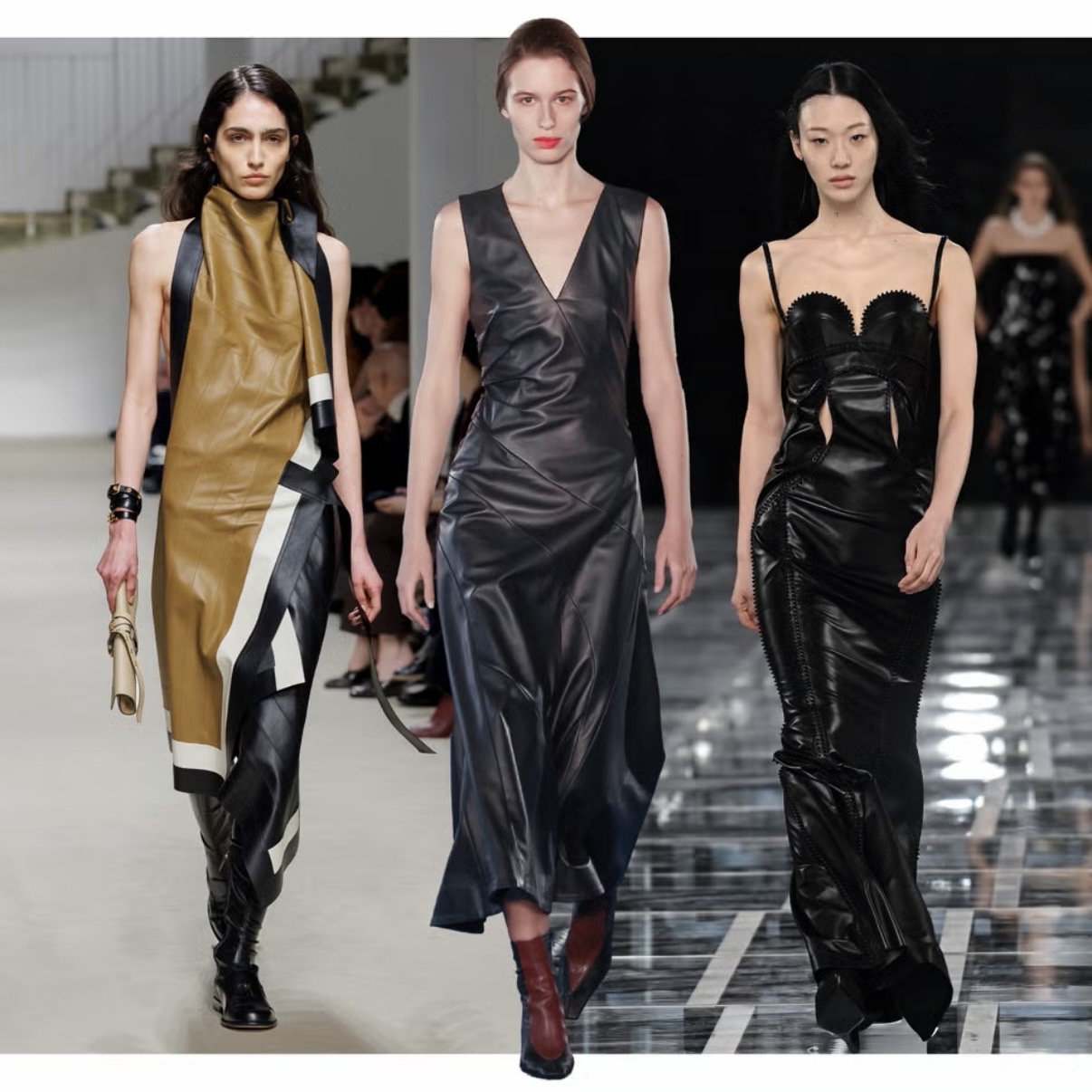
3. Leather Weather: Softness in Strength
The perception of leather as a rigid, purely utility-based material has been challenged this season. Modern tanning techniques have allowed designers to create dresses that drape like silk while maintaining the durability of leather. This trend is particularly popular for the transitional period of the season, where a leather midi-dress can be worn with boots for day or heels for night.
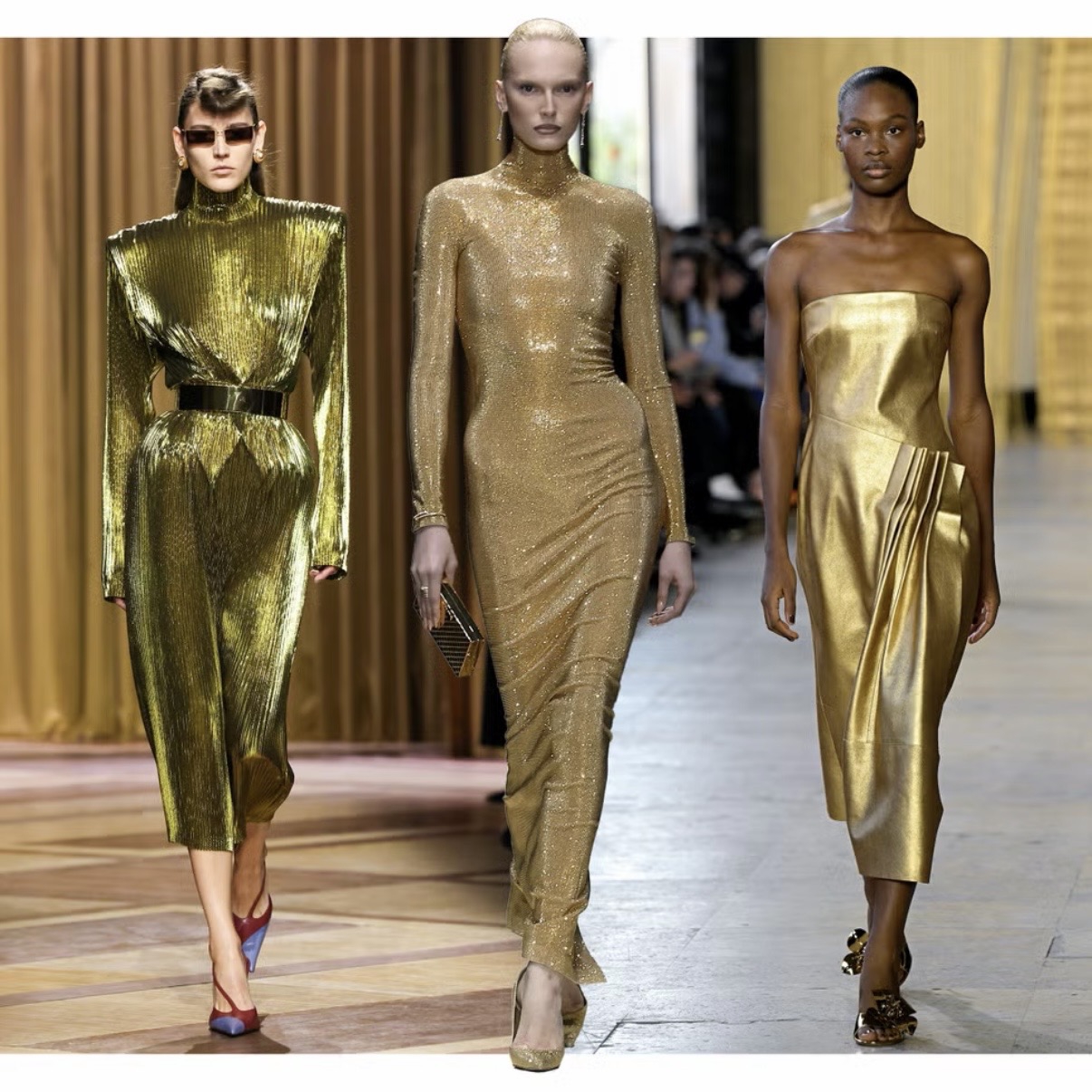
4. Heavy Metal: The Gala Essential
Metallic textiles are the definitive choice for the winter social calendar. By utilizing high-sheen fabrics, designers have effectively eliminated the need for heavy jewelry or intricate layering. The metallic dress is presented as a "self-accessorizing" garment, embodying the practical yet luxurious spirit of the 2026 season.
5. Frill Seeker: Architectural Volumetry
Ruffles have returned, but they have shed their "romantic" connotation for something more architectural. Designers are using ruffles to create volume and movement, ensuring that the silhouette remains dynamic. This is a critical trend for those attending formal events who want a statement look that avoids the overuse of sequins.
6. Gothic Romance: Dark Elegance
Lace, specifically in black or midnight blue, has been reimagined with a gothic sensibility. This trend leans into the mysterious and the classic, with many pieces featuring sheer paneling or Victorian-inspired collars. It is a trend that bridges the gap between classic femininity and modern edge.

7. Dark Bloom: Moody Florals
Floral prints have evolved from the vibrant, high-contrast designs of summer into the muted, low-contrast prints of autumn. By placing dark-toned flowers against black or charcoal backgrounds, designers have kept the feminine allure of floral patterns alive throughout the colder months.
8. Cold Shoulder: Minimalist Asymmetry
For those who prefer a cleaner aesthetic, the one-shoulder dress remains a top choice. This design provides a focal point—the exposed neckline—while keeping the rest of the silhouette restrained. It is a hallmark of the minimalist movement, proving that fashion does not require excessive detail to be impactful.
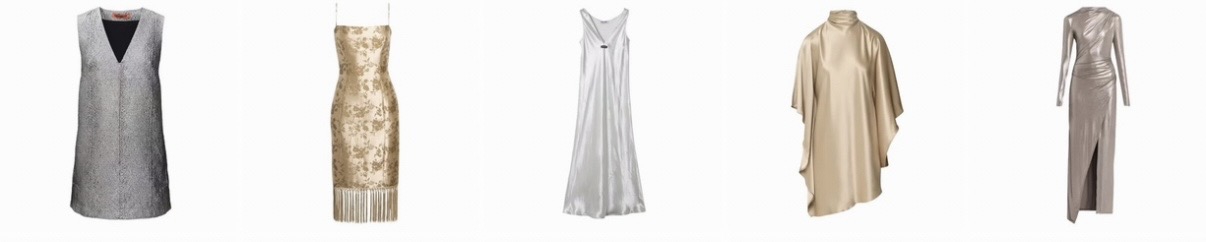
9. Supermodel Slip: The 1990s Resurgence
The slip dress, a staple of 1990s minimalism, continues to dominate. Its popularity is attributed to its extreme versatility; it can be worn as a standalone piece for evening or layered under oversized knitwear and blazers for the office. It is the most adaptable piece in the modern wardrobe, favored for its simplicity and flattering, bias-cut silhouette.
Broader Implications and Industry Responses
The overarching theme for Autumn/Winter 2026 is the consolidation of style. The industry is responding to a broader cultural push for sustainability and mindful consumption. By designing garments that serve multiple purposes—such as the slip dress or the leather midi-dress—designers are implicitly encouraging consumers to build a "capsule wardrobe."
Retailers have noted that consumers are increasingly asking for product provenance, demanding to know how these materials are sourced. As a result, many of the collections mentioned, including those by Fforme and Ferragamo, have emphasized the use of recycled leathers and sustainable silk alternatives. This shift is not merely an aesthetic choice; it is a response to the growing regulatory pressure regarding textile waste in the European and North American fashion markets.
Furthermore, the influence of public figures, such as recent appearances by high-profile celebrities in archive pieces, has bolstered the trend of "archival appreciation." When stars wear vintage-inspired or actual archival designs, it validates the industry’s current move toward classic, timeless silhouettes rather than fleeting, novelty-based trends.
Conclusion: Preparing for the Season Ahead
The Autumn and Winter 2026 fashion season is defined by a balance between the functional and the decorative. As the year draws to a close, the market has clearly signaled that the most valuable wardrobe additions are those that offer structural integrity, textural interest, and extreme versatility. From the rich, deep tones of the "Purple Reign" trend to the architectural precision of "Frill Seeker," the season offers a diverse range of options for the modern consumer.
As temperatures continue to drop, the reliance on layering and the integration of heavier, more durable materials will become the standard. For the fashion-conscious individual, the goal remains the same: to invest in pieces that not only withstand the changing weather but also reflect a sophisticated, mature approach to personal style. The trends of 2026 are not just a reflection of what is "new," but rather a testament to what is lasting, proving that the most powerful fashion statements are those that marry practicality with an uncompromising eye for detail.