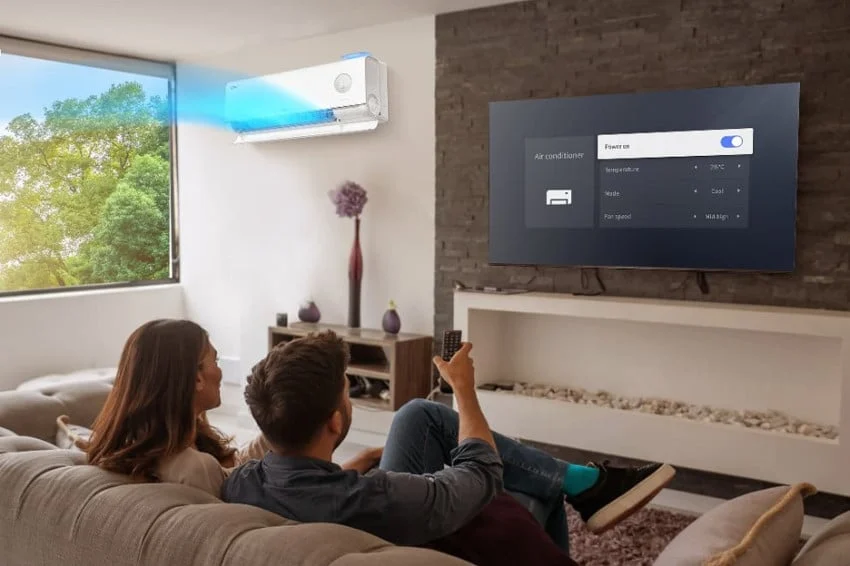
The rapid escalation of air pollution in major metropolitan centers has transformed the domestic living space from a sanctuary into a front-line battleground for health. As urbanization accelerates, particularly in dense hubs like Jakarta, the prevalence of particulate matter (PM2.5), volatile organic compounds (VOCs), and airborne allergens has reached critical levels. Responding to this public health challenge, TCL, a global leader in consumer electronics, has officially launched the TCL FreshIN 3.0 AC. This next-generation air conditioning system represents a significant pivot in appliance engineering, shifting the focus from simple temperature regulation to comprehensive air purification and atmospheric quality management.
The Growing Crisis of Indoor Air Quality
Recent data from environmental agencies and health departments paint a concerning picture of urban living conditions. In Jakarta, for instance, public health records have indicated a 15.7 percent increase in cases of Acute Respiratory Infections (ISPA). Health experts attribute this spike not only to external vehicle emissions and industrial activity but also to the stagnation of air quality within poorly ventilated residential structures.
The human body spends an average of 90 percent of its time indoors, making the quality of interior air a primary determinant of long-term respiratory health. Fine particulate matter (PM2.5), which can bypass the body’s natural defenses and enter the bloodstream, is a constant threat. Conventional air conditioners have historically functioned by recirculating existing air, often trapping contaminants within the room. The TCL FreshIN 3.0 AC disrupts this traditional model by prioritizing the infusion of oxygen-rich, purified air from the external environment into the interior space.
Technical Evolution: The FreshIN+ Advantage
At the core of the new product line is the proprietary FreshIN+ Technology. Unlike standard cooling units that rely on internal circulation, the FreshIN 3.0 system utilizes a sophisticated air-exchange mechanism. This technology is engineered to facilitate a continuous flow of outdoor air that undergoes a rigorous multi-stage purification process before entering the living area.
The centerpiece of this purification system is the QuadruPuri Filter array. This four-layer architecture is designed to address a wide spectrum of pollutants:
- Preliminary Filter: Captures large debris, hair, and dust particles to prevent internal clogging.
- Silver Ion Antibacterial Layer: A specialized coating that neutralizes microbial threats, inhibiting the growth of mold and bacteria within the cooling coils.
- HEPA High Efficiency Filter: The workhorse of the system, capable of trapping up to 97.66 percent of PM2.5 particles and micro-allergens.
- High-Density Filter: A secondary barrier that ensures the final output is free of lingering odors and trace particulate matter.
This tiered approach ensures that the air quality is not merely "cooled" but actively "cleaned." By balancing the internal air pressure and oxygen levels, the system mimics the sensation of natural ventilation while eliminating the drawbacks—such as heat or noise—typically associated with opening windows in an urban environment.
Strategic Vision: Beyond Cooling
During the official launch held on October 31, 2026, Evan Tang, CEO of TCL Indonesia, emphasized that the shift in product development is a direct response to evolving consumer consciousness. "Consumers today are no longer satisfied with simple climate control," Tang stated. "They are becoming increasingly sophisticated in their understanding of the link between air quality and well-being. Our mission is to integrate smart, medical-grade air purification technology into the daily lives of Indonesian families, making healthy living both accessible and automatic."
The inclusion of the VoxIN AC alongside the FreshIN 3.0 model signals TCL’s broader commitment to a "healthy home" ecosystem. This strategy reflects a growing trend in the global electronics market where appliances are expected to function as health monitors rather than just utility machines. The visual air quality indicators integrated into the FreshIN 3.0 unit serve as a real-time diagnostic tool, providing users with a color-coded status of their environment, thereby empowering families to manage their health proactively.
Economic and Health Implications
The rise of the "Healthy Home" market segment is expected to have significant implications for the consumer appliance sector. As public awareness of ISPA and related respiratory conditions grows, manufacturers are under increased pressure to provide verifiable data regarding filtration efficiency. TCL’s investment in the FreshIN 3.0 platform is a calculated move to capture the premium market segment that prioritizes health over initial cost.
From a macroeconomic perspective, the adoption of high-efficiency air purification systems in residential and office settings could potentially reduce the burden on public healthcare systems. By reducing the concentration of allergens and particulates at the source—the home—the frequency of clinic visits for asthma, bronchitis, and other respiratory-related conditions may see a measurable decline in heavily polluted areas.
The Path Forward: Smart Integration
The integration of smart sensors and IoT (Internet of Things) capabilities in the FreshIN 3.0 series allows for seamless interaction between the user and their home environment. The system can automatically adjust its cooling and purification intensity based on the real-time detection of air quality fluctuations. This "set-and-forget" functionality is critical for modern households where residents may not have the time or expertise to manually monitor air quality indexes.
Furthermore, the emphasis on humidity control is a technical necessity in tropical climates like Indonesia. Excessive humidity is a known catalyst for the proliferation of dust mites and fungal spores. By maintaining an optimal moisture balance, the FreshIN 3.0 unit addresses the "hidden" pollutants that often go unnoticed by standard air filtration units.
Analyzing the Competitive Landscape
The launch of the FreshIN 3.0 AC places TCL in a strong competitive position against established players in the HVAC (Heating, Ventilation, and Air Conditioning) market. While many competitors offer localized purification, few have managed to integrate a high-volume, external-to-internal air exchange system with such high efficiency. The ability to filter out 97.66 percent of PM2.5 particles, coupled with the brand’s global supply chain efficiency, provides a compelling value proposition.
However, the effectiveness of such technology remains dependent on maintenance. The four-layer filter system requires periodic inspection and replacement to ensure it continues to function at peak performance. TCL’s challenge will be to educate the consumer base on the importance of regular filter maintenance to ensure that the initial investment in the unit translates into long-term health benefits.
Conclusion
The unveiling of the TCL FreshIN 3.0 AC marks a significant evolution in the home appliance industry. By bridging the gap between air conditioning and air purification, TCL is addressing the acute needs of a society grappling with the realities of urban pollution. As health-conscious consumers continue to seek ways to mitigate the environmental risks of modern city life, innovations that prioritize the purity of the air we breathe will become essential household staples.
The movement toward cleaner, smarter, and more efficient living environments is not merely a trend; it is a fundamental shift in how we define a safe home. As data continues to show the correlation between indoor air quality and public health outcomes, products like the FreshIN 3.0 AC will likely set the benchmark for the next decade of residential climate control. For the modern family, the choice of an air conditioner has transitioned from a matter of comfort to a deliberate decision to invest in their long-term health and well-being.