The global shift toward sustainable transportation has reached a critical inflection point, with electric motorcycles emerging as a primary solution for urban mobility challenges. For the modern consumer, transitioning from an internal combustion engine (ICE) vehicle to an electric motorcycle is a significant lifestyle change that necessitates a departure from traditional purchasing criteria. As battery technology matures and charging infrastructure expands across Southeast Asia and the globe, potential owners must approach the marketplace with a structured framework to ensure their investment provides long-term value, safety, and functional utility.
The Evolution of Electric Mobility: A Market Overview
The surge in electric vehicle (EV) adoption is not merely a trend but a response to stringent environmental regulations and rising fuel costs. According to data from the International Energy Agency (IEA), the global electric two-wheeler market has seen exponential growth over the past five years. In Indonesia, the government has incentivized this transition through subsidies and the development of local battery manufacturing hubs, aiming to reduce dependence on fossil fuels and mitigate urban air pollution.
However, the rapid influx of new brands—ranging from legacy automotive giants pivoting to electric to agile tech-focused startups—has created a fragmented market. This complexity makes the role of consumer education paramount. Unlike traditional motorcycles, where mechanical reliability is the primary metric, electric motorcycles introduce variables such as battery chemistry, software integration, and charging ecosystems that were previously non-existent for the average commuter.
1. Strategic Assessment of Daily Range and Route Requirements
The most common pitfall for first-time buyers is the "range anxiety" trap. Prospective owners often equate a vehicle’s maximum range—frequently tested under idealized laboratory conditions—with its real-world performance. To avoid operational frustration, consumers must conduct a comprehensive audit of their daily travel patterns.
This involves calculating the total distance traveled during a standard workday, including detours for errands or social commitments. A professional approach requires adding a "safety buffer" of at least 20% to the daily mileage to account for variables such as extreme weather, heavy traffic, and terrain elevation. For instance, if a commuter covers 40 kilometers daily, they should prioritize a vehicle with a real-world range of at least 60 to 70 kilometers. Analysts suggest that ignoring these factors often leads to "range degradation," where constant deep discharging (depleting the battery to near zero) prematurely shortens the lifespan of lithium-ion cells.
2. Battery Chemistry and the Practicality of Swappable Systems
The battery is the heartbeat of an electric motorcycle, often accounting for 30% to 40% of the total vehicle cost. Understanding the difference between battery types is essential. Most modern electric motorcycles utilize Lithium-ion (Li-ion) or Lithium Iron Phosphate (LiFePO4) batteries. While Li-ion is favored for its high energy density and lightweight profile, LiFePO4 is increasingly recognized for its superior thermal stability and longer cycle life.
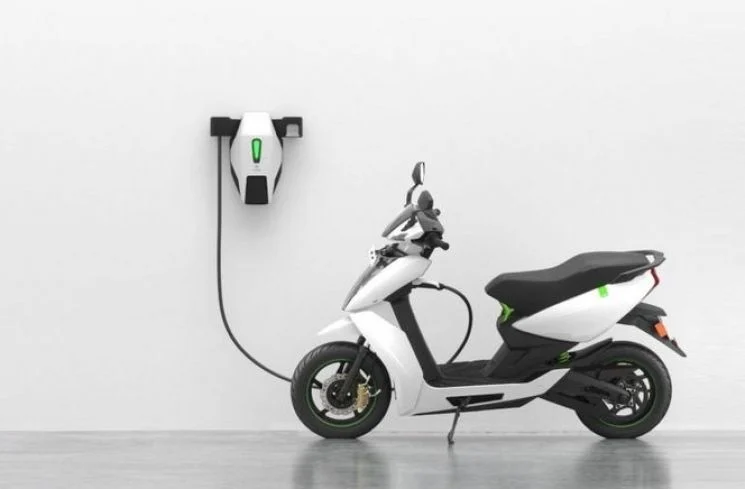
For urban dwellers living in high-rise apartments or areas without dedicated garage power outlets, the "swappable battery" system has become the gold standard. This technology allows users to remove a depleted battery unit and replace it with a fully charged one at a dedicated kiosk or retail station. This removes the dependency on long-duration plug-in charging and addresses the "last-mile" charging infrastructure gap that remains a hurdle in many high-density metropolitan areas.
3. Infrastructure Readiness and the Charging Ecosystem
Before committing to a specific purchase, the buyer must assess the electrical load capacity of their residence. Electric motorcycles typically require a standard 220V power outlet; however, not all residential circuits are optimized for the consistent power draw required for rapid charging.
The timeline of infrastructure development has accelerated significantly. Governments have mandated that utility providers integrate charging nodes into urban planning, while private sector partnerships are creating vast networks of "battery swap stations." Before finalizing a transaction, consumers should verify the density of these stations along their primary commute route. A motorcycle might possess excellent technical specifications, but if it lacks access to a robust charging network, its utility becomes limited to short-range residential use.
4. Empirical Evaluation: The Necessity of the Test Ride
The transition from a combustion engine to an electric powertrain is not just a change in fuel; it is a change in physics. Electric motors provide maximum torque from a standstill, resulting in an instantaneous acceleration that can feel jarring to those accustomed to the gradual power delivery of internal combustion engines.
Industry experts emphasize that a test ride is non-negotiable. During the evaluation, the rider should pay close attention to:
- Regenerative Braking: This system recaptures kinetic energy during deceleration, acting as an engine brake. Riders need to experience how aggressive or subtle this feature feels, as it fundamentally changes the riding experience.
- Weight Distribution: Because the battery pack is typically located low in the frame, electric motorcycles often have a lower center of gravity, which aids in cornering stability but can make the bike feel heavier when maneuvering at a standstill.
- Ergonomics: Without the vibration of a reciprocating engine, the sensory feedback of the road is different. The rider must ensure the seat height and handlebar geometry align with their physical stature to ensure comfort during prolonged use.
5. Safety Protocols and Technological Integration
As the automotive industry becomes increasingly digitized, electric motorcycles have evolved into "smart" devices on wheels. Modern units now feature proprietary mobile applications that allow owners to monitor battery health, track vehicle location via GPS, and even perform remote diagnostics.
From a safety perspective, the inclusion of an Anti-lock Braking System (ABS) and Combi-Brake System (CBS) is vital. Because of the instant torque, electric motorcycles require high-performance braking systems to manage the increased speed potential safely. Furthermore, the inclusion of digital security features—such as remote immobilization and motion-triggered alarms—is critical in urban environments where two-wheeler theft remains a pervasive issue.
Implications and Future Outlook
The broader impact of this shift is profound. By decoupling personal mobility from petroleum, consumers contribute to a macro-level reduction in carbon emissions and a shift toward decentralized energy consumption. However, the success of this transition relies on the informed consumer. The market is currently in a state of rapid consolidation, where brands that prioritize transparency, aftermarket service, and battery longevity will likely dominate.
Industry analysts observe that the long-term cost of ownership for an electric motorcycle is significantly lower than that of its gasoline-powered counterpart. With fewer moving parts—no oil filters, spark plugs, or complex transmission systems—the maintenance requirements are minimal. However, this financial advantage is only realized if the initial procurement is guided by research rather than impulse.
Conclusion
Purchasing an electric motorcycle is a strategic move toward a more sustainable future, but it requires a departure from traditional automotive shopping habits. By meticulously evaluating the range, battery technology, charging accessibility, and safety features, the first-time buyer can ensure that their transition to electric mobility is not only environmentally responsible but also highly efficient and satisfying. As the infrastructure catches up with the technology, those who take the time to understand the nuances of the electric powertrain will find themselves well-positioned to benefit from the ongoing revolution in urban transportation.