The Shift in Consumer Priorities
The automotive industry in Indonesia has historically been dominated by legacy manufacturers that prioritized durability and resale value. However, the report by Populix, a leading consumer intelligence firm, highlights a distinct shift in the decision-making process for the "MZs" demographic—those born between the early 1980s and the mid-2000s. This cohort, which represents a massive share of the current car-buying population, approaches the market with a holistic view of ownership.
For these consumers, a vehicle is not merely a status symbol but an essential utility that must integrate seamlessly into a fast-paced urban lifestyle. Consequently, the research identifies that while an attractive exterior design may capture initial interest, it is insufficient to secure long-term brand advocacy. Instead, the "ownership experience"—defined by the vehicle’s daily performance and the manufacturer’s ability to provide efficient maintenance—has become the primary driver of satisfaction.
Ranking the Market Leaders
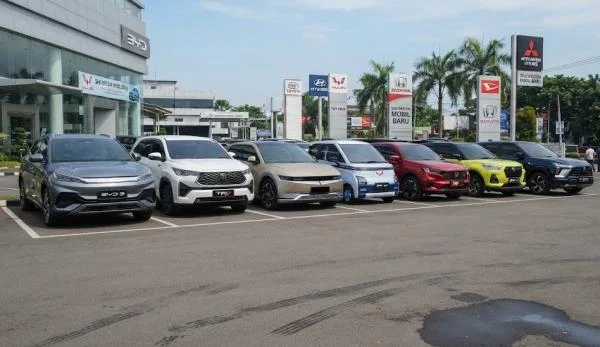
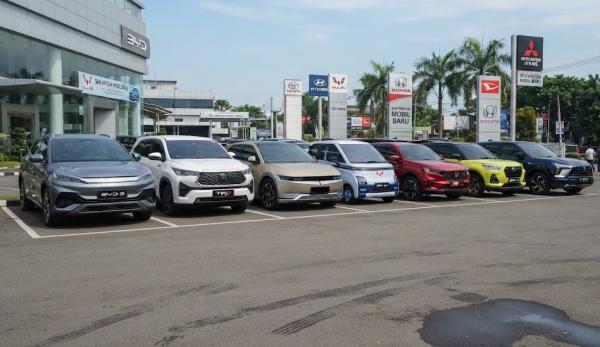
According to the findings, Toyota, Hyundai, and Daihatsu have emerged as the top three performers in customer satisfaction within the Indonesian passenger car market. The study analyzed eight major brands that have dominated the sales charts over the last five years, providing a clear snapshot of how these entities are perceived by the younger demographic.
Toyota continues to leverage its extensive service network and reputation for reliability to maintain its top-tier status. Hyundai, conversely, has made aggressive inroads by positioning itself as a technology-forward brand that balances performance with modern aesthetics. Daihatsu, while often viewed through the lens of affordability, has secured its high ranking by consistently meeting the demands for fuel efficiency and practical vehicle architecture.
Segmented Brand Strengths
The research further delineates specific areas where individual brands excel, providing a map of consumer perception in the current market:
- Engine Reliability and Performance: This remains the "gold standard" for users of Hyundai and Mitsubishi. These consumers tend to be more technically inclined, prioritizing the longevity of the drivetrain and the responsiveness of the vehicle in various traffic conditions.
- Comfort and Ergonomics: Mitsubishi, in particular, has garnered significant praise for its focus on cabin comfort. For Gen Z and Millennial buyers, who often spend considerable time in the gridlocked traffic of major metropolitan areas like Jakarta, the quality of seating, noise insulation, and suspension tuning has become a non-negotiable factor.
- Modern Aesthetics: The visual identity of a vehicle remains a powerful hook. Wuling, Hyundai, and BYD were highlighted as the brands most frequently associated with modern, forward-thinking designs. This aligns with the desire of younger consumers to drive vehicles that reflect their personal brand and current design trends.
- Energy Efficiency: As fuel prices fluctuate and environmental consciousness grows, the efficiency of a vehicle—whether internal combustion or electric—is a primary concern. Suzuki and Daihatsu were noted as the leaders in meeting these specific consumer expectations, offering practical solutions for cost-conscious urban commuters.
Background and Market Context
The Indonesian automotive market has been a battleground for global manufacturers for decades. The last five years, however, have introduced a level of complexity previously unseen. The introduction of hybrid and electric vehicles (EVs) has disrupted the traditional market hierarchy. Brands that were once considered peripheral have used the transition to electrification as a gateway to gain significant market share.
Furthermore, the post-pandemic economic environment has forced consumers to be more deliberate with their financial commitments. With rising interest rates and inflation, the "total cost of ownership" has become a central theme in automotive discourse. Consumers are no longer just looking at the sticker price; they are calculating the cost of spare parts, the frequency of service intervals, and the depreciation rate of the asset over a five-year horizon.
The Role of After-Sales Services
A recurring theme in the Populix data is the criticality of the post-sales ecosystem. In a country with the geographical complexity of Indonesia, the ability of a manufacturer to provide consistent maintenance and repair services across the archipelago is a competitive advantage that outweighs almost any other feature.
Consumers expressed that a brand’s perceived reliability is often tethered to the accessibility of its service centers. Brands that have invested in a robust dealership network and transparent, digitally-enabled service booking systems are seeing higher retention rates. This suggests that for the modern Indonesian consumer, the relationship with the brand does not end at the point of sale; rather, that is where the brand’s true test begins.

Analysis of Implications for Manufacturers
The findings present a clear directive for automotive manufacturers operating in Indonesia. To thrive in the coming decade, companies must move beyond the "one-size-fits-all" marketing strategy. The segmentation of consumer preferences suggests that manufacturers should tailor their product messaging to highlight their specific strengths.
For instance, brands that lack the legacy of the major Japanese incumbents must double down on technology and design, as these are the areas where they can most effectively differentiate themselves. Conversely, established players must focus on digital transformation, ensuring that their service networks remain as modern and accessible as the vehicles they sell.
Furthermore, the rise of the EV segment provides a unique opportunity for new entrants to challenge the status quo. If a new brand can prove its reliability—the traditional Achilles’ heel of new entrants—while maintaining the modern design and efficiency that younger buyers crave, the current market hierarchy could face significant disruption.
Future Outlook and Industry Trajectory
Looking toward 2030, the Indonesian automotive sector is expected to continue its shift toward sustainable mobility. However, the report cautions that the transition to electric vehicles will not be driven by environmental concerns alone. Instead, it will be driven by the same pragmatic factors that currently govern the market: reliability, comfort, and service support.
Manufacturers that fail to address the "ownership pain points"—such as charging infrastructure, battery longevity, and specialized service availability—will find it difficult to capture the loyalty of the MZs demographic, regardless of how advanced their vehicle technology might be.

Conclusion: A New Era of Consumerism
The "Decoding Indonesia’s Upper Middle MZs Consumer Signals" report serves as a wake-up call for the automotive industry. The days of relying solely on brand heritage or basic utility are fading. The new Indonesian consumer is educated, connected, and highly discerning. They value their time and their money, and they expect their vehicles to respect both.
As the market continues to mature, the brands that succeed will be those that view the consumer not as a one-time buyer, but as a long-term partner. By prioritizing engine reliability, investing in comfort, and simplifying the service experience, manufacturers can build a foundation of trust that is essential for survival in a highly competitive and rapidly evolving marketplace. The data confirms that while the Indonesian car market is changing, the core requirement remains constant: the vehicle must work, it must be comfortable, and the brand must be there when it is needed most. As we look ahead, the ability to synthesize these diverse consumer demands into a cohesive brand strategy will determine which manufacturers lead the next chapter of Indonesia’s automotive narrative.