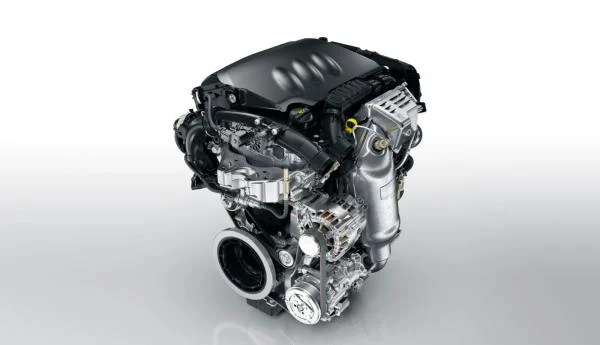
The recent announcement regarding a massive recall of Peugeot 2008 SUV units across the European market has triggered significant concern among owners of the French compact SUV in Indonesia. The recall, which centers on critical technical vulnerabilities within the 1.2L PureTech engine, has prompted widespread inquiries regarding the safety and mechanical integrity of units currently operating on Indonesian roads. In response to these concerns, Astra Peugeot, the authorized distributor for the brand in the country, has officially confirmed that the Indonesian market remains unaffected by the recall campaign initiated in Europe.
The core of the issue in Europe revolves around potential premature wear of the timing belt and associated complications involving engine lubrication systems. These technical concerns have been identified as high-priority safety matters by European regulatory bodies, necessitating a comprehensive inspection and rectification program. However, Astra Peugeot has clarified that the specific batch of vehicles involved in the European recall is characterized by distinct Vehicle Identification Numbers (VINs) that were never allocated to the Indonesian market.
Understanding the Technical Core of the Recall
The 1.2L PureTech engine has been a cornerstone of the Stellantis group’s powertrain strategy, known for its compact footprint, turbocharged efficiency, and power-to-displacement ratio. Despite its performance accolades, the engine has faced scrutiny in certain international markets due to the durability of the timing belt assembly. In the affected European units, reports indicated that the belt—which operates in a "wet" environment submerged in oil—could experience degradation faster than anticipated.

When a timing belt degrades prematurely, debris can potentially circulate within the engine’s lubrication system, leading to clogs in the oil pump pickup screen. Such an obstruction can result in a significant drop in oil pressure, which, if left unaddressed, risks catastrophic engine failure. The recall program in Europe was designed to identify vehicles prone to this degradation, replace the timing belt components, and perform necessary system cleanings to ensure engine longevity.
For Indonesian owners, the announcement of this recall initially sparked anxiety regarding whether the tropical climate, traffic conditions, or fuel quality in Indonesia might exacerbate similar issues. However, the engineering specifications and manufacturing batches designated for the Indonesian market utilize different hardware configurations and supply chains, effectively insulating the local fleet from the specific defects reported in the European campaign.
Official Response and Assurance from Astra Peugeot
Rafii Sinurat, the Head of After Sales at Astra Peugeot, addressed the situation through an official statement on October 30, 2026. He emphasized that the recall is a geographically localized measure. "The recall program conducted in Europe is strictly limited to vehicles with specific VINs identified within that market," Sinurat stated. "Based on our comprehensive internal audit and technical data, the Peugeot 2008 units imported and distributed in Indonesia do not share the same production profile as the affected European units."
Astra Peugeot has reaffirmed its commitment to maintaining high standards of vehicle safety and maintenance. The company underscored that the local dealer network is fully equipped to handle all necessary maintenance procedures, ensuring that the vehicles remain in optimal working condition. Owners are encouraged to maintain their routine service schedules at authorized Astra Peugeot workshops, which serve as the primary point of contact for any vehicle-related concerns.

Contextualizing the Peugeot 2008 in the Indonesian Market
The Peugeot 2008 was introduced to the Indonesian automotive landscape in 2022, positioning itself as a premium compact SUV. It entered a highly competitive segment, challenging established Japanese and Korean rivals by offering a distinct European design language and a turbocharged powertrain. The vehicle is powered by a 1.2L three-cylinder Turbo PureTech engine, which is engineered to produce 130 horsepower and 230 Nm of torque. This output is managed through a six-speed automatic transmission, providing a driving experience that balances agility with efficiency.
Since its launch, the 2008 has been marketed as a flagship model for the brand’s local portfolio, attracting consumers who prioritize build quality, safety features, and a modern aesthetic. Because the model is a premium import, Astra Peugeot maintains a strict oversight protocol regarding its maintenance. The company’s service infrastructure, which includes specialized diagnostic tools and technician training, is designed to monitor the health of the 1.2L PureTech engine specifically for the Indonesian environment.
Broader Implications of Automotive Recalls
In the global automotive industry, recalls are a standard, albeit sensitive, part of life-cycle management. A recall does not necessarily reflect poor engineering; rather, it often demonstrates a manufacturer’s commitment to safety standards as new data emerges from long-term fleet performance. Automotive manufacturers operate with global supply chains where components are often sourced from different suppliers depending on the assembly plant’s location.
For Indonesian consumers, the "recall" terminology can sometimes be misinterpreted as a sign of systemic failure across a global platform. However, the automotive industry frequently segregates its global production into "market regions." These regions often have different specifications to comply with local emission standards, climate requirements, and fuel quality. Consequently, a recall in one region—such as the European Union, which adheres to strict Euro 6 or Euro 7 emission standards—does not automatically apply to models exported to Southeast Asia.

Maintaining Vehicle Health: Advice for Owners
While Astra Peugeot has provided a clear statement regarding the safety of the local fleet, the situation serves as a timely reminder for vehicle owners regarding the importance of proactive maintenance. Regardless of recall status, high-performance turbocharged engines require consistent care, particularly concerning lubrication.
- Adherence to Maintenance Intervals: Engine oil and filter changes are critical. Using the manufacturer-recommended oil specifications is vital for the health of components like the timing belt, especially in engines that utilize an oil-submerged belt design.
- Authorized Service Centers: Relying on authorized Astra Peugeot workshops ensures that the vehicle is serviced by technicians who are trained on the specific nuances of the PureTech engine. These centers also have access to the latest technical bulletins and software updates from the manufacturer.
- Monitoring Vehicle Performance: Owners should be attentive to any changes in engine noise, warning lights, or performance fluctuations. Any irregularities should be reported to an authorized service center immediately for professional diagnosis.
Future Outlook and Conclusion
The automotive market in Indonesia is increasingly shifting toward high-tech, efficient engines that offer lower emissions without compromising performance. As these technologies become more prevalent, the importance of transparent communication between distributors and consumers becomes paramount. The swift clarification provided by Astra Peugeot regarding the Peugeot 2008 recall is a testament to the importance of localized data in maintaining consumer trust.
As of late 2026, the Peugeot 2008 remains a significant player in the Indonesian SUV segment. By distinguishing between the global recall campaign and the status of the local fleet, Astra Peugeot has managed to mitigate potential reputational damage while reassuring customers of the vehicle’s reliability. The company continues to monitor the performance of its fleet in Indonesia, ensuring that the 2008 continues to meet the expectations of its owners through rigorous quality control and responsive after-sales support.
Ultimately, this episode underscores the complexity of modern vehicle management. While technical challenges in engine design are an inherent part of automotive evolution, the systematic approach taken by manufacturers and distributors—such as the clear demarcation of affected units—remains the most effective way to uphold vehicle safety and consumer confidence in the long term. For now, Indonesian Peugeot 2008 owners can continue to enjoy their vehicles with the assurance that their specific units have been cleared of the technical concerns currently being addressed in Europe.