In a significant milestone for Indonesia’s industrial landscape and decarbonization efforts, PT Tripatra Engineers and Constructors (Tripatra) has successfully completed and commissioned a state-of-the-art carbon dioxide (CO2) liquefaction facility for PT Kaltim Parna Industri (KPI). Located in Bontang, East Kalimantan, this project represents a pioneering shift in how the petrochemical sector manages byproduct emissions. By transforming industrial waste into a high-value commercial commodity, the facility—which officially commenced operations on October 22, 2026—marks a critical advancement in the application of Carbon Capture and Utilization (CCU) technology within the Southeast Asian region.
The facility boasts a design capacity of 300 metric tons per day, positioning it as the largest of its kind in Indonesia and the inaugural plant of its stature in both Kalimantan and Eastern Indonesia. As the primary contractor, Tripatra executed the full scope of Engineering, Procurement, and Construction (EPC), demonstrating its technical expertise in managing complex industrial infrastructure projects.
The Mechanism of Transformation: From Waste to Resource
The core objective of the facility is to mitigate the environmental impact of ammonia production, which naturally results in significant CO2 emissions. Through the implementation of advanced purification and liquefaction technology, the KPI facility captures these emissions, which would otherwise be released into the atmosphere, and processes them into high-purity liquid carbon dioxide (LCO2).
The resulting product meets rigorous quality standards for both food and industrial grades. This versatility is vital, as it allows the facility to serve a diverse array of sectors, including the food and beverage industry, where LCO2 is essential for carbonation and refrigeration, as well as various chemical manufacturing processes. By integrating this technology into the existing ammonia production line, KPI has effectively transitioned from a linear production model to a circular economic model, where a byproduct is repurposed to drive further industrial growth.
A Chronology of Implementation
The project’s path to completion was defined by a commitment to engineering precision and operational safety. While official commissioning occurred in late October 2026, the planning and construction phases were marked by intense coordination between Tripatra and KPI.
- Project Initiation and Design (2024-2025): Following the initial feasibility studies, Tripatra was appointed to spearhead the EPC phase. During this period, engineers focused on the integration of the capture unit with KPI’s existing ammonia facility, ensuring that the process would not disrupt primary production while maintaining optimal capture efficiency.
- Construction and Procurement (2025-2026): Leveraging global supply chains, Tripatra managed the procurement of specialized equipment capable of handling high-pressure CO2 processing. Construction in the Bontang industrial zone required stringent adherence to environmental and safety regulations, given the technical complexity of liquefaction systems.
- Commissioning and Handover (October 2026): After successful trial runs and safety certifications, the plant was formally inaugurated. The facility is now fully integrated into the regional supply chain, with logistical infrastructure in place to transport the liquid CO2 to various end-users across the archipelago.
Corporate Perspectives and Strategic Vision
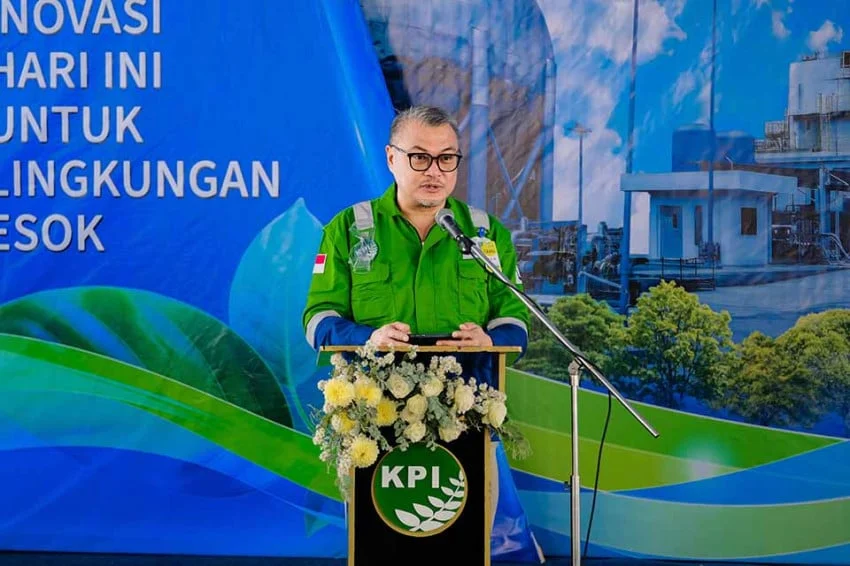
The successful delivery of this project is a testament to the synergy between Tripatra’s engineering prowess and KPI’s strategic vision for sustainability. Raymond Naldi Rasfuldi, President Director & CEO of Tripatra, emphasized the significance of the partnership during the commissioning ceremony.
"This project is more than just an engineering accomplishment; it is a manifestation of our commitment to supporting Indonesia’s transition toward sustainable industrial practices," stated Rasfuldi. "The trust placed in us by KPI serves as both a responsibility and a source of pride. By building the largest CO2 liquefaction plant in the country, we are not only providing a commercial solution but are also demonstrating that industrial growth and environmental stewardship can coexist."
Rasfuldi further highlighted the collective effort required to bring the facility to fruition, noting that the project’s success was contingent upon the dedication of the technical teams, the local workforce in Bontang, and the alignment of all stakeholders involved in the supply chain.
The Broader Impact: CCU and the Future of Industry
The implementation of Carbon Capture and Utilization (CCU) at the Bontang facility provides a blueprint for other petrochemical entities in Indonesia. Globally, the energy and petrochemical sectors are under increasing pressure to reduce their carbon footprints. Traditional Carbon Capture and Storage (CCS) focuses primarily on sequestering CO2 deep underground, but CCU offers a distinct economic advantage by turning the captured carbon into a revenue-generating asset.
The implications of this facility for the Indonesian economy are twofold:
- Economic Diversification: By producing high-grade LCO2, KPI is diversifying its product portfolio. This reduces reliance on traditional ammonia markets and creates a new revenue stream that is decoupled from the volatile price fluctuations of raw chemical commodities.
- Environmental Mitigation: Every metric ton of CO2 captured and utilized is a metric ton prevented from entering the atmosphere. As Indonesia works toward its Nationally Determined Contributions (NDC) under the Paris Agreement, projects like this provide tangible evidence of the industrial sector’s role in climate action.
Technical Challenges and Engineering Excellence
The engineering involved in a 300-metric-ton-per-day liquefaction plant is substantial. CO2 must be captured at high purity levels to ensure it meets the safety standards required for the food and beverage industry. This involves multi-stage scrubbing, compression, and cooling processes that require precise control systems.
Tripatra’s role as the EPC provider involved designing the layout to maximize energy efficiency—a critical factor, as the energy required to capture and liquefy carbon can sometimes offset the environmental benefits if not managed correctly. By utilizing energy-efficient compressors and heat recovery systems, the facility maintains a net-positive environmental impact.
Contextualizing the Global and Local Landscape
Indonesia, as a major producer of chemical products in Southeast Asia, stands at a crossroads regarding industrial energy usage. The country remains a significant contributor to regional carbon emissions, a reality underscored by its heavy reliance on fossil-fuel-based power and chemical processes. However, the move toward CCU technology by firms like KPI signals a maturing market.
The selection of Bontang as the location for this facility is strategic. As a hub for the Indonesian petrochemical industry, Bontang already possesses the necessary logistical infrastructure—including port access and skilled labor—to facilitate the distribution of LCO2 to markets across the region. This is particularly relevant for the growing food and beverage sector in Eastern Indonesia, which previously faced higher costs due to the need to transport LCO2 from western regions or international suppliers.
Conclusion and Future Outlook
The partnership between Tripatra and KPI serves as a model for future collaborations in the industrial sector. As government regulations regarding emissions become more stringent, the demand for engineering solutions that can integrate CCU into existing plants will undoubtedly rise.
With the commissioning of this facility, Tripatra has solidified its position as a leader in industrial engineering, providing the technical backbone for a cleaner, more efficient petrochemical industry. For Kaltim Parna Industri, the facility is a step into a future where sustainability is integrated into the core of their business model. As this plant begins full-scale operation, it will serve as a lighthouse project, encouraging other industrial players to explore how their own byproducts might be transformed into sustainable solutions, thereby driving the Indonesian industrial sector toward a more resilient and environmentally conscious future.
The success of the Bontang facility is not just a triumph of engineering; it is a clear indicator that the technological pathways for industrial decarbonization are not only possible but also economically viable. As the project enters its operational phase, industry observers will be watching closely to see how this precedent shapes the investment strategies of other major players in Indonesia’s energy and chemical landscape.