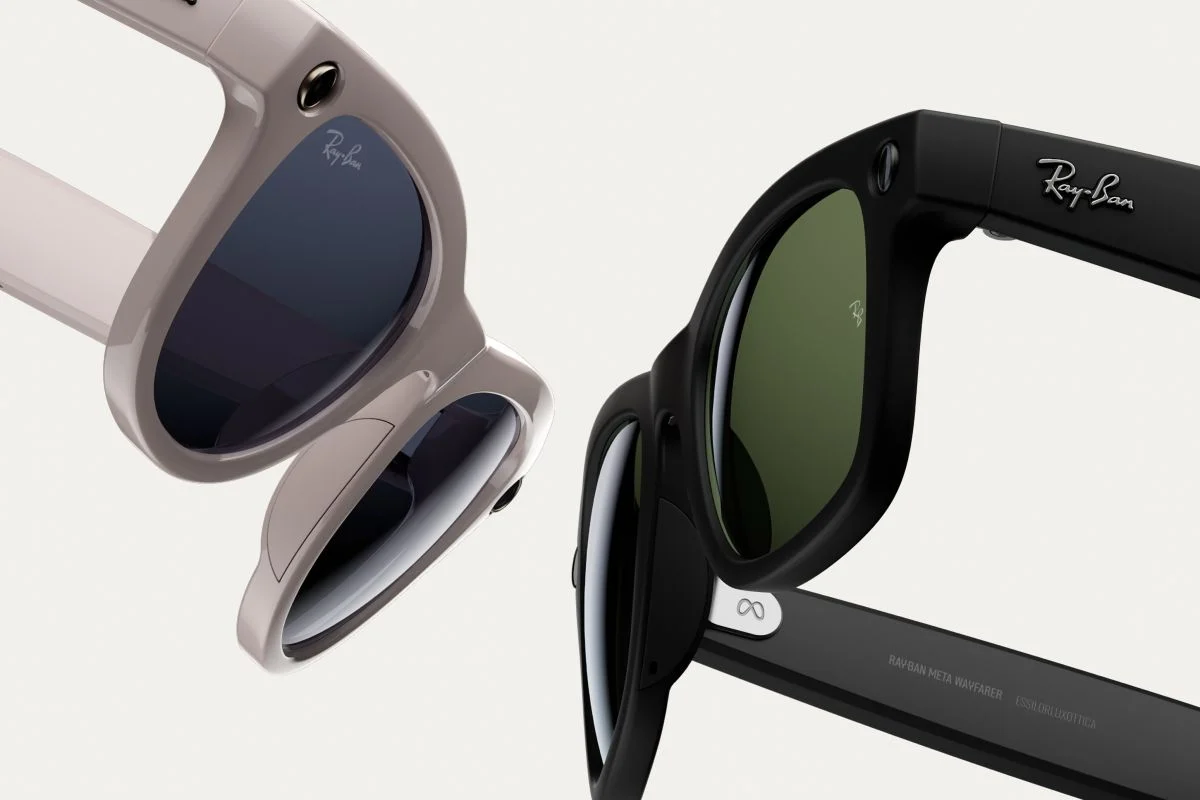
The landscape of wearable technology in Indonesia officially shifted on November 11, 2026, as Meta Platforms, in strategic collaboration with EssilorLuxottica, officially brought its highly anticipated artificial intelligence-powered smart glasses to the Southeast Asian market. This major consumer technology rollout introduces two flagship product lines—Ray-Ban Meta and Oakley Meta—giving Indonesian consumers direct access to cutting-edge augmented features that seamlessly blend high-fashion optics with ambient computing. Designed to reduce dependence on handheld devices for routine digital interactions, these smart glasses allow users to capture high-definition photographs, record immersive video, stream audio, and interact conversationally with Meta AI completely hands-free.
The introduction of these devices marks a pivotal milestone for the Indonesian wearable tech sector. As consumers increasingly demand streamlined access to digital services without the friction of constantly retrieving a smartphone from their pockets, Meta and its manufacturing partner are positioning smart eyewear as the next evolutionary step in personal computing. Available through authorized Ray-Ban and Oakley dealers alongside the expansive retail network of Optik Seis across the archipelago, the launch sets the stage for a new era of AI integration in everyday consumer accessories.
Chronology and Market Entry Timeline
The arrival of Meta’s smart glasses in Indonesia is the culmination of years of iterative hardware development and global market expansion. The journey began with preliminary iterations of smart eyewear developed under Meta’s partnership with EssilorLuxottica, which initially focused on localized markets in North America and Europe. Following successful generation upgrades—particularly the refinement of camera capabilities, voice-activation latency, and thermal management—Meta accelerated its international roadmap to target high-growth technology markets in the Asia-Pacific region.
Preparations for the Indonesian launch intensified in late 2025 and early 2026, culminating in regulatory clearances and distribution alignments with major domestic optical chains. By positioning the rollout for November 11, 2026, Meta strategically captured the fourth-quarter consumer spending window. The simultaneous release of both lifestyle-oriented Ray-Ban models and performance-focused Oakley variants ensured that the brand could immediately appeal to diverse consumer demographics, ranging from urban professionals and content creators to outdoor athletes and fitness enthusiasts.
Detailed Product Lineup and Official Pricing Structure
To cater to varying aesthetic preferences and functional requirements, Meta has rolled out four distinct models for the Indonesian market, with pricing tiered according to technical sophistication and specialized framing materials. The official retail pricing structure is established as follows:
- Oakley Meta HSTN: Priced at Rp8,799,000, this model targets individuals seeking a blend of lifestyle design and athletic durability.
- Ray-Ban Meta Gen 3: Priced at Rp8,999,000, this generation represents the refined standard for everyday urban wear, balancing timeless frame silhouettes with robust computing hardware.
- Ray-Ban Meta Optics Gen 2: Priced at Rp9,399,000, this iteration emphasizes advanced optical adaptability and superior lens customization.
- Oakley Meta Vanguard: Priced at Rp10,999,000, this top-tier variant is engineered explicitly for high-intensity outdoor activities and rigorous sports performance.
Engineering and Specifications of the Ray-Ban Meta Gen 3
At the core of the lifestyle lineup is the Ray-Ban Meta Gen 3, a device that successfully conceals high-performance micro-electronics inside classic frame geometries including Wayfarer, Aviator, and Zena designs. Optical customization is a key pillar of the product, allowing buyers to select from clear lenses, specialized sun protection coatings, or custom prescription lenses tailored to individual visual requirements.
Optically, the device features an integrated 12-megapixel ultra-wide camera capable of capturing pristine photographs and recording video up to 3K Ultra HD resolution. This perspective-first recording capability enables users to document experiences precisely from their natural field of view, transforming casual outings and travel experiences into shareable digital assets without the physical obstruction of holding a phone or standalone camera.
Audio engineering has also seen substantial upgrades. The Gen 3 model incorporates a sophisticated array of six directional microphones capable of suppressing ambient background noise by more than 90 percent, ensuring crystal-clear voice commands and high-fidelity phone call transmission even in windy or crowded urban environments. Integrated open-ear micro-speakers deliver immersive personal audio for music and podcasts without completely isolating the user from their surrounding environment.
Power efficiency management allows the device to achieve up to nine hours of continuous operation under normal usage conditions. Meanwhile, the localized execution of Meta AI enables wearers to ask contextual questions about physical landmarks, retrieve real-time data, and execute instantaneous language translations entirely through voice activation.
Oakley Meta: Engineered for Extreme Conditions and Athletics
Recognizing the distinct demands of fitness enthusiasts and outdoor adventurers, Meta has paired its lifestyle offerings with the rugged Oakley Meta series, featuring the HSTN and Vanguard variants. Both models are engineered to withstand the rigors of dynamic physical movement while maintaining sleek ergonomic profiles.
The Oakley Meta HSTN is equipped with a 12-megapixel camera supporting 3K Ultra HD video recording, open-ear audio integration, and specialized Oakley PRIZM lenses designed to enhance color contrast and visual acuity in changing daylight conditions. With an IPX4 water-resistance rating, it easily handles sweat and light rain during daily commutes or casual outdoor workouts.
For high-performance athletes—such as long-distance runners and competitive cyclists—the Oakley Meta Vanguard provides advanced durability specifications. Boasting an IP67 rating for superior dust and water resistance, the Vanguard model is built to endure severe environmental exposure. Furthermore, it features deep software integration with leading fitness platforms such as Strava and Garmin. This integration allows athletes to review performance metrics, track mapping data, and receive audio telemetry directly through their eyewear, merging fitness tracking with ambient computing.
Ecosystem Implications and Smartphone Dependency Analysis
Despite the advanced capabilities embedded within these smart frames, industry analysts emphasize that Meta AI glasses are not intended to serve as complete replacements for modern smartphones. Rather, they function as sophisticated companion accessories designed to streamline digital interactions and reduce screen-checking frequency. Core device configurations, deep file management, and heavy data processing remain tethered to the user’s mobile phone operating system.
Furthermore, the functionality of advanced features—such as real-time multi-language translation and cloud-based Meta AI query resolution—remains subject to regional server availability, linguistic software updates, and local data compliance frameworks. Given the steep financial investment ranging from approximately Rp8.8 million to nearly Rp11 million, market observers advise consumers to carefully evaluate their daily digital habits and lifestyle requirements before purchasing.
Broader Industry Impact and Future Outlook
The commercial debut of Meta’s smart glasses in Indonesia underscores a broader global transition toward ambient computing and wearable integration. As traditional technology giants and optical manufacturers continue to forge cross-industry partnerships, the boundary between physical eyewear and digital interfaces is rapidly dissolving.
This launch also arrives amid heightened global scrutiny regarding data privacy and biometric collection associated with wearable camera devices. Regulatory bodies worldwide, exemplified by recent legal actions in Europe regarding user gallery access and data handling, have placed immense pressure on technology conglomerates to ensure absolute transparency and strict consent protocols for ambient recording devices. As Indonesian consumers embrace these new tools, local regulatory agencies will likely monitor privacy compliance closely to safeguard user data rights.
Ultimately, the introduction of Ray-Ban Meta and Oakley Meta to the Indonesian market signals a transformative shift in how individuals interact with information. By successfully housing cameras, spatial audio systems, and conversational artificial intelligence inside conventional fashion and athletic eyewear, Meta has laid a foundational brick for the future of personal technology in Southeast Asia.