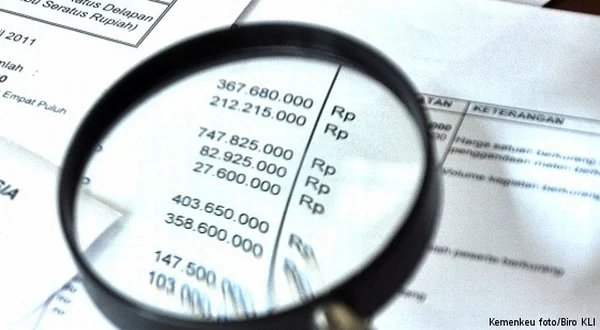
The Indonesian government formally presented the Draft Law on the Accountability for the Implementation of the 2013 State Budget (RUU APBN) during a plenary session at the House of Representatives (DPR RI) in Jakarta. The presentation, delivered by then-Minister of Finance Chatib Basri, outlined both the fiscal achievements of the administration and the complex macroeconomic headwinds that characterized the fiscal year. Central to the legislative submission was the disclosure regarding the audit opinion rendered by the Supreme Audit Agency (BPK), which assigned a Qualified Opinion, known locally as Wajar Dengan Pengecualian (WDP), to the Central Government Financial Statements (LKPP) for the 2013 fiscal year.
The submission marked a critical constitutional step in Indonesia’s public financial management cycle, wherein the executive branch accounts for its utilization of public funds to the legislature. However, the designation of a WDP status highlighted ongoing structural and administrative challenges within state financial accounting, particularly concerning complex asset management, legacy portfolios, and intergovernmental fiscal transfers. As lawmakers prepared to debate the accountability bill, the discourse centered heavily on balancing fiscal prudence, addressing recurring audit findings, and navigating a turbulent global financial landscape that severely tested Indonesia’s economic resilience throughout 2013.
Root Causes of the Qualified Audit Opinion
Addressing the plenary session at Gedung Nusantara II, Senayan, Minister Chatib Basri provided a transparent breakdown of the specific accounting discrepancies and administrative hurdles that prevented the BPK from granting the coveted Unqualified Opinion (Wajar Tanpa Pengecualian, or WTP). According to the Ministry of Finance, the exceptions cited in the 2013 LKPP audit report stemmed from four primary areas that have historically complicated public sector accounting in Indonesia.
The first major factor involved receivables related to over-lifting of oil and gas. Over-lifting occurs when a contractor takes more petroleum than its entitled production share during a specific period, creating a financial obligation back to the state. Accurately valuing, reconciling, and recording these receivables across various cooperation contracts has perennially posed verification challenges for both auditors and state accountants.
The second factor similarly pertained to the energy sector, specifically concerning oil and gas sales receivables. The complex timing of revenue recognition, delayed payments from domestic and international buyers, and fluctuating commodity valuations contributed to discrepancies that the BPK deemed material enough to warrant an exception.
The third area involved credit assets inherited from the Indonesian Bank Restructuring Agency (BPPN). Established in the wake of the 1997-1998 Asian financial crisis, BPPN amassed a massive portfolio of non-performing loans and corporate assets. Decades later, the management, restructuring, and ultimate disposition or write-off of these legacy credit assets continue to generate complex accounting trails that complicate modern state balance sheets.
The fourth element driving the WDP status was the administration of pension expenditure funds. The long-term liabilities associated with civil servant pension funds, combined with actuarial adjustments and coordination between state treasury systems and pension administrators, introduced variances that fell outside the strict parameters required for a completely clean audit opinion. Despite these exceptions, financial experts noted that a WDP status still signified that the overarching financial statements were presented fairly in all material respects, barring the specific, well-documented areas of contention.
Macroeconomic Pressures and External Headwinds of 2013
The presentation of the 2013 budget accountability bill cannot be viewed in isolation from the formidable macroeconomic turbulence that defined the year. The Indonesian economy faced a profound convergence of external and internal shocks that altered fiscal projections, drained foreign exchange reserves, and pressured the national currency.
From an external perspective, 2013 was marked by a broad deceleration of global economic growth, which directly impacted international commodity prices. As key trading partners such as China experienced a moderated growth trajectory, demand for Indonesia’s primary commodity exports—including coal, palm oil, and various minerals—softened significantly. This commodity price correction eroded export revenues and reduced corporate tax contributions from the extractive sector.
Compounding the trade shock was a major shift in global monetary policy sentiment. Throughout 2013, the United States Federal Reserve began signaling its intention to taper its quantitative easing program, a communications event widely known in global financial markets as the "tapering off" or "taper tantrum" phenomenon. This prospective tightening of US monetary policy triggered a massive and rapid capital outflow from emerging markets, including Indonesia. Foreign investors rushed to repatriate capital back to dollar-denominated assets, putting acute downward pressure on emerging market currencies, bonds, and equities.
Internally, these external pressures manifested as severe stress on Indonesia’s macroeconomic fundamentals. Most notably, the country’s current account deficit widened significantly, reaching concerning levels that rattled investor confidence. The persistent deficit in the current account, driven by robust domestic consumption of imported goods and rising fuel import bills alongside sluggish export receipts, created a structural vulnerability. Consequently, the Indonesian Rupiah experienced severe depreciation against the US dollar, forcing policymakers to implement aggressive stabilization measures.
Policy Responses and Fiscal Adjustments
In response to the compounding domestic and international pressures, the Indonesian government and Bank Indonesia deployed a series of stabilization policies aimed at restoring macroeconomic equilibrium. These interventions required difficult political choices and direct adjustments to fiscal assumptions originally embedded in the 2013 State Budget.
One of the most politically sensitive yet fiscally necessary actions taken by the administration was the adjustment of subsidized fuel prices. For years, energy subsidies consumed a disproportionate share of the state budget, crowding out productive capital expenditure on infrastructure, education, and health. By raising subsidized fuel prices in mid-2013, the government managed to alleviate some of the immediate fiscal pressure, curb soaring import demand for refined oil, and narrow the current account deficit, albeit at the cost of igniting temporary inflationary spikes.
Simultaneously, Bank Indonesia implemented aggressive monetary tightening, raising its benchmark interest rate multiple times throughout the year to defend the Rupiah and anchor inflation expectations. On the fiscal front, the Ministry of Finance instituted strict expenditure rationalization measures, prioritizing essential state spending while delaying lower-priority projects to maintain fiscal discipline within the mandated deficit limits.
Minister Chatib Basri emphasized to the DPR that these dynamic internal and external shifts inevitably altered the macroeconomic assumptions that underpinned the 2013 APBN. Variables such as GDP growth rates, inflation, crude oil prices (ICP), and the exchange rate deviated substantially from the original targets ratified in the budget law. These divergences directly influenced both the execution capacity of various ministries and agencies and the ultimate revenue collection performance of the state.
Legislative Debate and Accountability Framework
The presentation of the 2013 APBN accountability bill initiated a rigorous legislative scrutiny process within the DPR. Members of parliament from various political factions scrutinized the executive’s performance, questioning budget absorptions, regional transfer mechanisms, and the persistent audit exceptions highlighted by the BPK.
The primary function of the RUU APBN accountability debate is not merely retroactive critique, but legislative oversight aimed at improving future governance. Lawmakers pressed the Ministry of Finance on concrete timelines for resolving the long-standing accounting issues surrounding BPPN assets, over-lifting receivables, and pension liabilities. Financial analysts following the proceedings noted that while political posturing is common during budget debates, the presence of specific audit exceptions provides a constructive roadmap for the executive branch to enact structural accounting reforms.
Furthermore, the discussion underscored the broader institutional evolution of Indonesia’s public financial management following the post-1998 constitutional and legislative reforms. The institutional independence of the BPK in auditing state finances, coupled with the mandatory reporting requirements to the DPR, ensures a high degree of transparency in how public funds are managed, even when systemic complexities result in qualified audit opinions.
Broader Implications and Long-Term Lessons
The fiscal journey of 2013 and its legislative reckoning in mid-2014 offered vital lessons for Indonesia’s macroeconomic management and public administration. The events demonstrated the high degree of vulnerability that emerging market economies face in the wake of shifting global monetary policies and commodity supercycle downturns.
For fiscal authorities, the experience reinforced the critical necessity of building robust buffers, maintaining disciplined debt management, and rationalizing structural expenditures such as energy subsidies. The challenges encountered in achieving an unqualified audit opinion also catalyzed ongoing modernization efforts within government accounting systems, pushing the state treasury toward accrual-based accounting standards designed to enhance transparency and asset tracking.
As the DPR continued its deliberations on the 2013 State Budget Accountability Bill, the overarching consensus among economic observers was that fiscal policy must remain adaptive and resilient in an increasingly interconnected and volatile global economy. The transparency demonstrated in confronting the BPK’s qualified opinion, alongside the proactive policy adjustments executed during the height of the market turbulence, laid a foundation for strengthened fiscal governance in subsequent budgetary cycles.