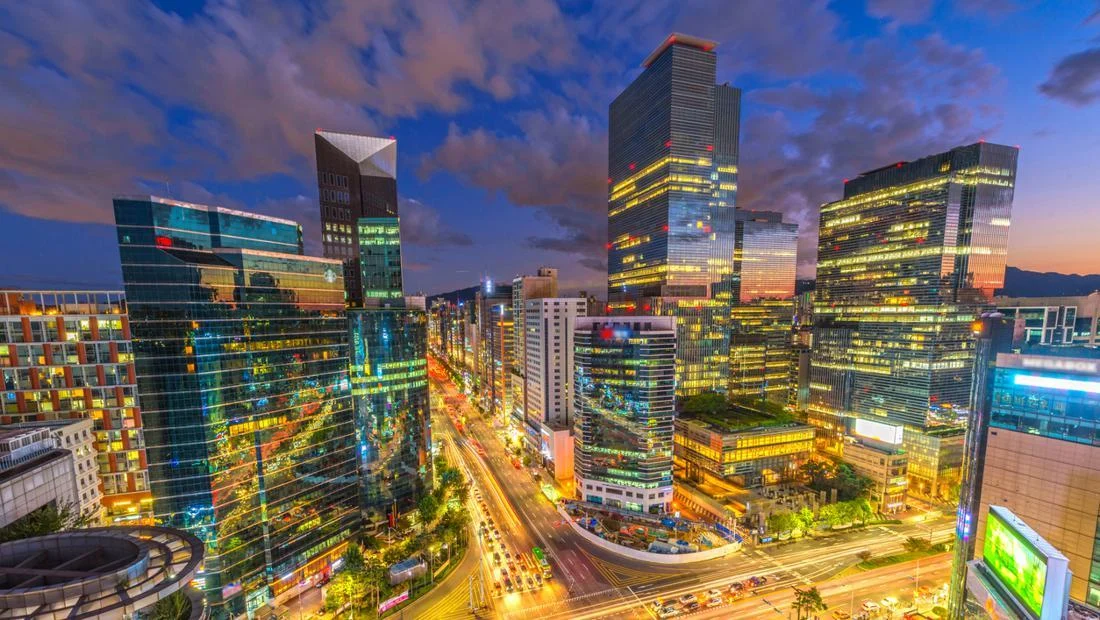
Seoul is undergoing a significant transformation in its hospitality landscape as the city government and the Seoul Tourism Organization (STO) officially roll out a new certification program for "Seoul Medical-Friendly Accommodations." This strategic initiative comes in direct response to the unprecedented surge in medical tourism, which has seen millions of international visitors flocking to the South Korean capital for cosmetic, dermatological, and elective surgical procedures. With 19 hotels now carrying this prestigious label, the city aims to bridge the gap between high-end medical care and the specialized logistical needs of patients recovering from invasive procedures.
The necessity for this policy became evident as the city struggled to accommodate the unique requirements of post-operative travelers. Unlike standard tourists, medical tourists in Seoul often navigate the city with physical limitations, post-surgical bandages, and the requirement for frequent, mandatory check-ups at clinics. Recognizing these challenges, the Seoul Metropolitan Government (SMG) established a rigorous vetting process, ensuring that designated accommodations provide more than just a place to sleep; they offer a sanctuary for recovery.
The Surge of Medical Tourism in Seoul
The data underpinning this initiative is striking. According to reports from the Korea Health Industry Development Institute, 2025 marked a historic high for the sector, with approximately 1.76 million medical tourists seeking treatment in Seoul. This figure represents a 3.7-fold increase from the 470,000 visitors recorded in 2023. The concentration of this industry in Seoul is immense, with 87.2 percent of the 2.01 million medical tourists visiting South Korea opting for treatment within the capital’s borders.
The economic impact of these visitors is equally substantial. In July 2026 alone, foreign medical spending in Korea reached an estimated 213.1 billion KRW (approximately 2.6 trillion IDR), reflecting a year-on-year increase of 66.5 percent. This influx of capital has transformed the city’s districts, particularly Gangnam, into global hubs for aesthetic medicine. For the city government, the challenge was to ensure that this rapid growth remained sustainable and provided a high-quality experience that would encourage repeat visits.
Chronology of the Medical-Friendly Certification
The journey to establishing these standards began with an assessment of the "medical tourism ecosystem." By early 2026, the SMG identified that while Seoul had world-class surgical facilities, the surrounding hospitality infrastructure lacked specific provisions for convalescing guests.
In the third quarter of 2026, the city launched its inaugural call for applications for the "Seoul Medical-Friendly Accommodation" certification. The criteria were stringent, reflecting the high stakes involved in post-surgical care. Out of 40 hotels that initially applied, only 19 successfully met the rigorous standards. The selection process involved extensive document verification, physical site inspections, and assessments by a panel of medical and tourism experts.
The evaluation criteria focused on four core pillars: proximity to major medical facilities, long-term stay readiness, the availability of specialized facilities such as laundry and cooking equipment, and, crucially, a 24-hour emergency response system. This ensures that a patient experiencing complications or discomfort in the middle of the night can access immediate assistance or transport to a hospital.
What Defines a Medical-Friendly Hotel?
The 19 selected establishments—ranging from boutique hotels to world-renowned luxury brands—have fundamentally altered their service models. Beyond standard concierge services, these hotels provide:
- Dedicated Recovery Zones: Certain floors or lounges are designated specifically for medical tourists, ensuring privacy and minimizing exposure to large crowds.
- Logistical Support: Free laundry services are provided, which is essential for patients who may be staying for extended periods and unable to handle heavy chores.
- Transportation and Guidance: Many of the certified hotels offer shuttle services to nearby clinics and provide multilingual emergency guides, easing the linguistic barriers that often complicate the recovery process for foreign patients.
- Accessibility: Modifications to room layouts and building accessibility ensure that patients with limited mobility can navigate their surroundings safely.
Geographic Concentration and Market Distribution
As anticipated, the district of Gangnam-gu holds the largest share of these certified accommodations, hosting 11 of the 19 establishments. This concentration aligns with the "Medical Belt" of Seoul, where the highest density of plastic surgery and dermatology clinics are located. The diversity of the list is also noteworthy, encompassing high-end luxury properties like the Park Hyatt Seoul and the Grand InterContinental Seoul Parnas, as well as more accessible, budget-friendly options.
Other districts, including Mapo-gu, Gwangjin-gu, and Yeongdeungpo-gu, are also represented, indicating an effort by the city to distribute the benefits of medical tourism across the capital. This spread is critical for ensuring that patients have options that fit both their budget and their specific medical destination.
The "3-3-7-7" Strategy and Future Implications
The "Medical-Friendly" initiative is a cornerstone of the broader Seoul tourism campaign dubbed "3-3-7-7." This ambitious policy aims to attract 30 million annual visitors, achieve an average per-person expenditure of 3 million KRW, ensure an average stay of seven days, and reach a 70 percent revisit rate.
Medical tourists are considered the "ideal" demographic for this strategy. They naturally stay longer than the average vacationer due to surgical recovery requirements, they are willing to spend significantly more on services, and the high-quality care they receive often results in high levels of customer loyalty.
Looking toward 2027 and beyond, the SMG plans to leverage these certifications to boost Seoul’s global profile. The 19 hotels will be prominently featured on the city’s multilingual medical tourism platforms and promoted via the Seoul Medical Tourism Center. Furthermore, the government intends to expand this program by continuously monitoring existing partners and adding new ones, while simultaneously fostering deeper integration between local hospitals and the hospitality sector.
A Holistic Approach to Wellness Tourism
The long-term goal of the Seoul Metropolitan Government is to create a seamless experience where the boundary between "receiving medical treatment" and "enjoying a vacation" becomes blurred in a positive way. By encouraging hospitals and hotels to collaborate more closely, the city hopes to alleviate the stress of medical travel.
This model serves as a case study for other global cities aiming to capture a share of the medical tourism market. By focusing on the "aftercare" aspect of the journey—a phase that is often overlooked—Seoul is differentiating itself from competitors. The implications for the local economy are clear: as the medical tourism sector matures, it is moving away from a transactional model toward a comprehensive service-based model that prioritizes patient welfare and comfort.
Official List of Certified Medical-Friendly Accommodations
The following properties have been officially recognized as meeting the high standards required for post-operative patient care in Seoul:
- Grand InterContinental Seoul Parnas, Gangnam-gu
- Andaz Seoul Gangnam, Gangnam-gu
- Aiden by Best Western Cheongdam, Gangnam-gu
- The Westin Seoul Parnas, Gangnam-gu
- Park Hyatt Seoul, Gangnam-gu
- Four Points by Sheraton Seoul, Gangnam
- The Hotel Newv, Gangnam-gu
- Hotel Denim, Gangnam-gu
- Hotel Sunshine Seoul, Gangnam-gu
- Hotel Anteroom Seoul, Gangnam-gu
- Hotel Entra, Gangnam-gu
- Pullman Ambassador Seoul Eastpole, Gwangjin-gu
- Hotel Bernoui Seoul, Guro-gu
- Hotel Naru Seoul – MGallery, Mapo-gu
- Yeouido Park Centre, Seoul – Marriott Executive Apartments, Yeongdeungpo-gu
- Fairmont Ambassador Seoul, Yeongdeungpo-gu
- UH Suite Seoul Insadong, Jongno-gu
- Hotel Midcity Myeongdong, Jung-gu
- Hotel Koreana, Jung-gu
As these 19 hotels begin their tenure as certified providers, the Seoul Metropolitan Government remains committed to evaluating the impact of this policy. Should the initiative prove successful in driving repeat tourism and improving patient satisfaction, it is expected that the certification program will expand significantly by the end of 2027, potentially including wellness-focused resorts and extended-stay apartments across all of Seoul’s 25 districts.