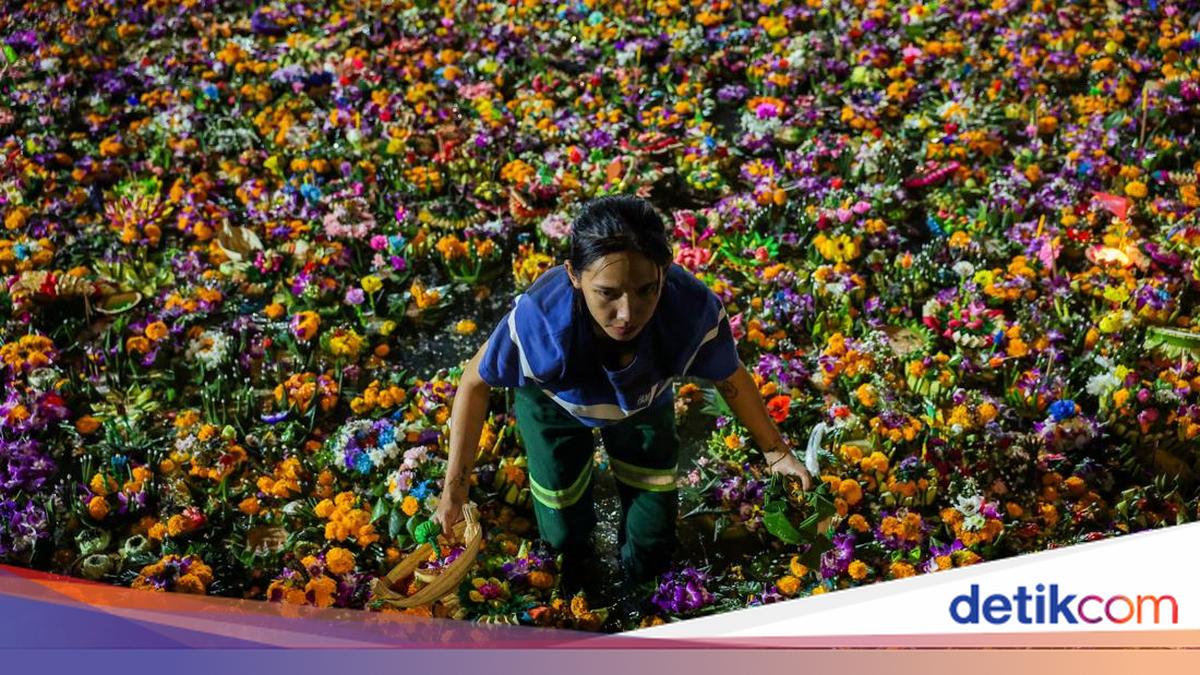
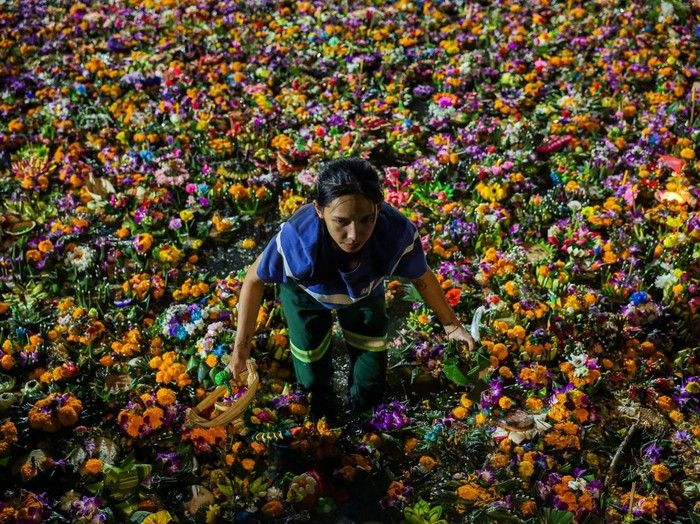
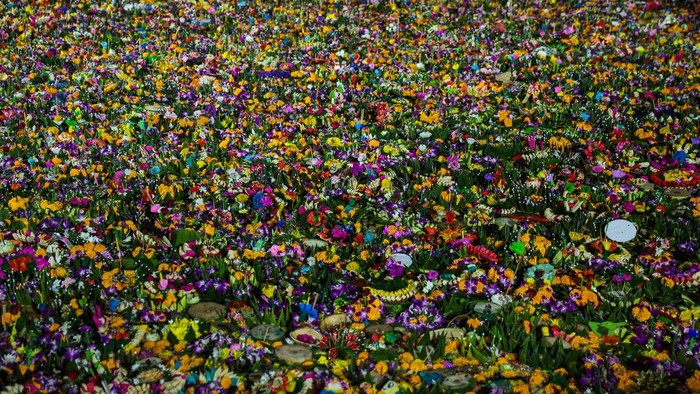
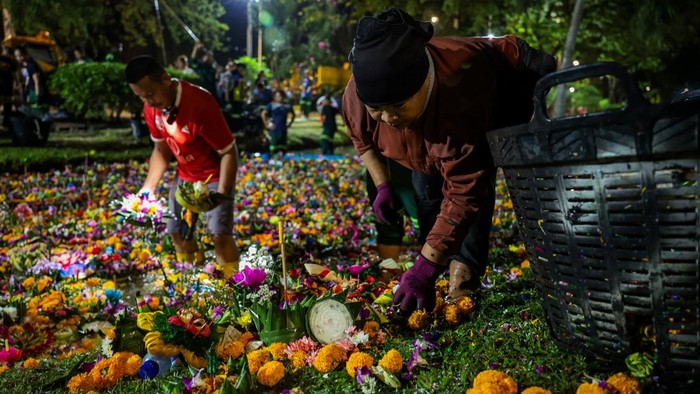
The morning after the vibrant and spiritually charged Loy Krathong festival in Bangkok, Thailand, the city’s waterways and park lagoons presented a sobering sight. While the evening of November 24, 2026, was marked by the gentle glow of thousands of floating baskets illuminating the dark waters, the following day, November 25, revealed the logistical reality of the ancient tradition. Municipal sanitation workers were deployed across the capital, laboring from the early hours to clear the remnants of the festival—the krathongs—that had gathered in the city’s canals, rivers, and man-made lagoons.
Loy Krathong, often referred to as the "Festival of Lights," is one of Thailand’s most significant cultural celebrations. Observed annually on the night of the full moon in the twelfth month of the Thai lunar calendar, the festival serves as a symbolic gesture of renewal. Participants release krathongs—traditionally crafted from banana leaves, flowers, candles, and incense—onto the water to pay homage to the Goddess of Water, Phra Mae Khongkha, and to symbolically wash away the misfortunes and grievances of the previous year. However, as urban populations grow and the scale of the festival expands, the accumulation of these offerings has posed an increasing challenge to urban sanitation and environmental health in modern Bangkok.
The Logistics of Post-Festival Cleanup
The scale of the cleanup operation in Bangkok is immense. In the wake of the 2026 festivities, the Bangkok Metropolitan Administration (BMA) mobilized specialized teams to address the environmental impact of the event. Workers were seen navigating small boats through the park lagoons, using long-handled nets and manual collection techniques to retrieve the thousands of water-logged baskets.
The primary objective of this operation is to prevent the organic and synthetic materials from decomposing in the water, which can lead to a drop in dissolved oxygen levels and harm aquatic life. While traditional krathongs are biodegradable, the modernization of the craft—which sometimes includes plastic decorations, metal pins, and non-biodegradable foam—has complicated the disposal process. The BMA has long encouraged the public to use environmentally friendly materials, yet the sheer volume of debris remains a persistent hurdle for city officials.
Historical and Cultural Significance
To understand the necessity of this cleanup, one must appreciate the cultural weight of Loy Krathong. The word "Loy" means to float, while "Krathong" refers to the basket or vessel itself. Historically, these vessels were constructed entirely from organic materials, meaning they would naturally decompose without leaving a lasting footprint on the river ecosystems.
Over the centuries, the festival has evolved from a quiet, family-oriented act of worship into a major tourist attraction and a centerpiece of Thai national identity. In cities like Bangkok, Chiang Mai, and Sukhothai, the scale of participation has increased significantly. The symbolic act of apologizing to the river for the pollution caused by human activity throughout the year—a core tenet of the festival—now ironically results in a new, albeit temporary, surge in water waste. This paradox has led to a shifting dialogue within Thai society regarding the balance between preserving ancient traditions and adopting sustainable, modern practices.
Statistical Trends in Waste Management
Data from the BMA’s Environment Department highlights the shifting trends in post-festival waste management. In recent years, the city has successfully diverted a significant percentage of collected krathongs to organic waste processing facilities. During the 2025 cycle, the city reported the collection of over 400,000 krathongs in Bangkok alone. Approximately 95% of these were identified as being made from natural materials, which were subsequently processed into compost for municipal parks and green spaces.
The remaining 5%—composed of plastic, styrofoam, and metallic components—represents a significant environmental risk. These materials, if not captured promptly, break down into microplastics that infiltrate the Chao Phraya River and eventually the Gulf of Thailand. Consequently, the 2026 cleanup campaign was marked by heightened surveillance and stricter guidelines regarding the materials allowed in public parks. The goal is to move toward a "zero-plastic" festival by 2030, an ambitious target that requires both public cooperation and rigorous enforcement by local authorities.
Official Responses and Community Engagement
The BMA has been proactive in its communication with the public. Leading up to the 2026 event, the Governor of Bangkok emphasized the importance of individual responsibility. "The spirit of Loy Krathong is about gratitude and respect for nature," noted a representative from the BMA. "It is contradictory to honor the river by polluting it. We urge citizens to continue the tradition with the environment in mind."
Educational campaigns were rolled out across schools and community centers in the weeks leading up to the full moon, teaching children and families how to construct their own "eco-krathongs" using bread or lotus leaves, which serve as food for fish rather than waste. Furthermore, the city organized "central collection points" in various districts, making it easier for sanitation workers to manage the waste once the celebrations concluded. The efficiency seen on November 25 is the result of years of refining these logistical chains, ensuring that the city returns to normalcy as quickly as possible.
Environmental Implications and Future Outlook
The environmental implications of the festival extend beyond simple aesthetics. The accumulation of organic matter in stagnant lagoon water can trigger algal blooms, which consume oxygen and can lead to fish kills. Furthermore, the influx of candles and incense residue introduces trace chemicals into the water. While the impact of a single night is manageable, the long-term cumulative effect of urban water usage during the festival season requires ongoing monitoring.
Scientists from local universities have suggested that the continued popularity of the festival, combined with the city’s high population density, necessitates a shift in how the festival is celebrated in major metropolitan centers. Proposals include limiting the number of entry points to canals to control the volume of items released and implementing a mandatory "deposit-refund" system for vendors selling non-traditional krathongs.
Despite these challenges, there is no sentiment to abolish or curtail the festival. Loy Krathong remains a vital pillar of the Thai calendar, providing a moment of communal reflection and joy. The image of the sanitation worker, standing amidst a sea of discarded flowers and leaves, is not just a symbol of labor, but a modern representation of the very apology the festival intended to convey: a recognition of our impact on the environment and a commitment to restoring it.
Conclusion: A Cycle of Renewal
As the sun set on November 25, 2026, the lagoons in Bangkok’s public parks were largely clear, the water returning to its calm, reflective state. The ephemeral beauty of the previous night’s light show had been replaced by the quiet efficiency of the city’s maintenance crews. This cycle—from the exuberant release of lights to the diligent, quiet act of clearing the debris—has become the modern rhythm of Loy Krathong.
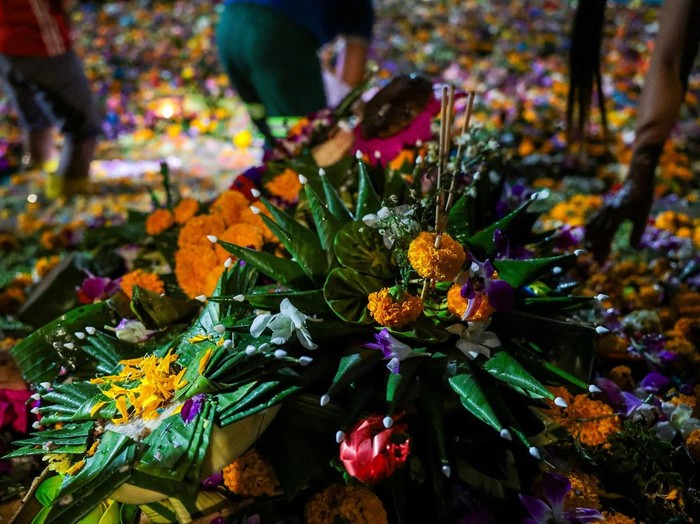
It is a tradition that has successfully adapted to the constraints of a modern, bustling metropolis. By blending ancient spirituality with contemporary environmental consciousness, the people of Bangkok demonstrate that even in a rapidly changing world, there is room for both tradition and stewardship. The success of this year’s cleanup, reflected in the cleaner waters by late evening, serves as a testament to the city’s resilience and its evolving relationship with the rivers that have sustained it for centuries. As the country looks toward the next lunar cycle, the conversation remains focused on how to make the next iteration of the festival even more sustainable, ensuring that the Goddess of Water continues to be honored in a way that protects, rather than burdens, the life-giving currents of Thailand.