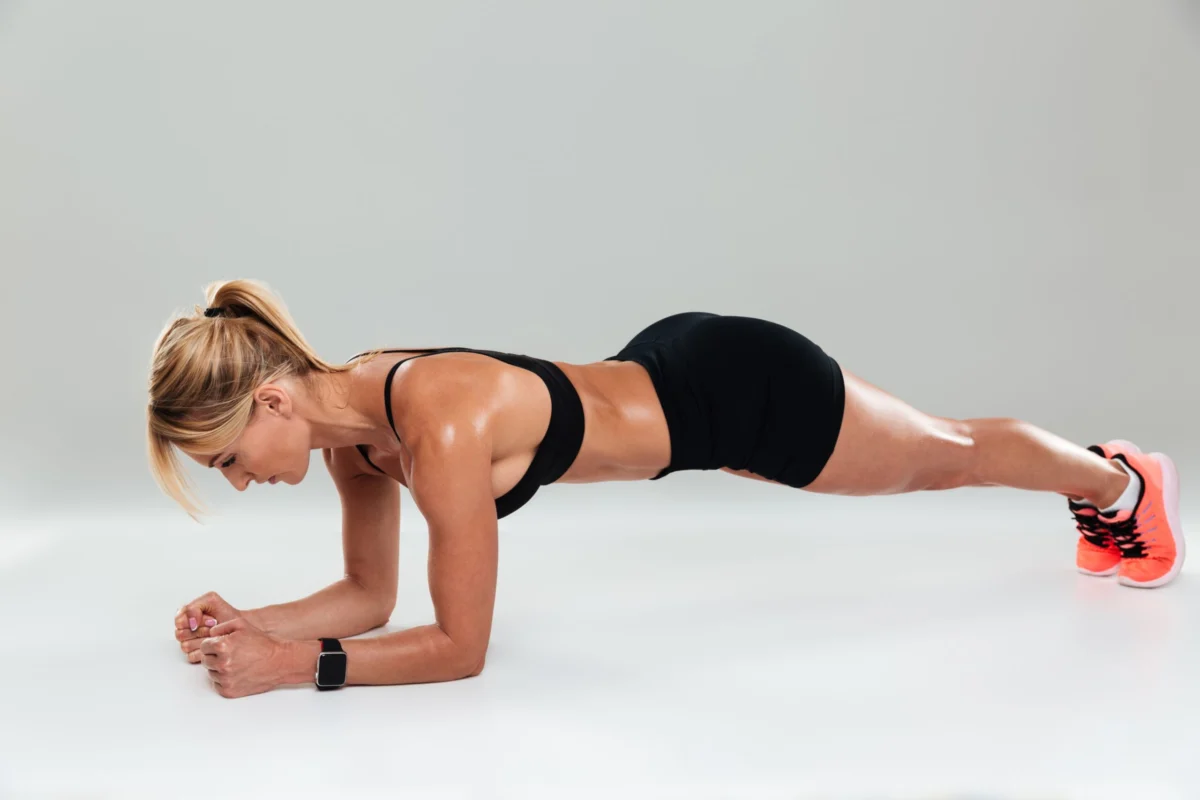
In an era where sedentary lifestyles have become the norm due to the ubiquity of office-based work and digital immersion, maintaining physical health often feels like a logistical challenge. However, the emergence of high-efficiency, time-sensitive exercise protocols has shifted the fitness paradigm. Among these, the plank—an isometric movement that requires no equipment—has gained significant traction as a fundamental pillar of functional strength training. Clinical research suggests that the plank serves not merely as a core-strengthening tool, but as a holistic exercise that influences posture, cardiovascular health, and injury prevention, making it a critical addition for individuals with constrained schedules.
The Evolution and Biomechanics of Isometric Training
The origins of the plank as a standardized exercise can be traced back to the mid-20th century, emerging from the principles of physical therapy and athletic conditioning. Unlike dynamic exercises such as push-ups or squats, which rely on repetitive contraction and relaxation, the plank is an isometric exercise. By definition, isometric training involves the contraction of muscle groups without a significant change in the angle of the joints or the length of the muscle fibers.
In the context of the plank, the body remains in a rigid, linear state, requiring the central nervous system to recruit the deep abdominal muscles—specifically the transverse abdominis, rectus abdominis, and the obliques—to stabilize the spine. This sustained tension creates a high-demand environment for the core, which acts as the body’s structural powerhouse.

Clinical Data and Physiological Impact
Scientific literature published in journals such as the British Journal of Sports Medicine has increasingly highlighted the role of isometric exercises in systemic health. A 2023 meta-analysis suggested that isometric hold exercises are among the most effective modalities for reducing resting blood pressure. While aerobic activity remains the gold standard for cardiovascular health, the mechanism by which planks regulate blood pressure is linked to the peripheral resistance and the subsequent improvement in endothelial function.
Furthermore, the impact on spinal health is significant. Chronic low back pain affects nearly 80% of adults at some point in their lives, often stemming from weak core stabilizers that fail to support the lumbar spine during daily activities. By strengthening the multifidus and erector spinae, the plank provides a "natural corset" effect, shielding the vertebrae from undue stress.
Chronology of Progressive Integration
For those looking to integrate this practice into their daily lives, fitness experts suggest a structured, phase-based approach to prevent musculoskeletal fatigue.
- Phase 1: The Introductory Period (Weeks 1–4): Beginners are encouraged to initiate the practice with intervals of 15 to 30 seconds. The objective during this phase is not duration, but neuromuscular connection—learning to engage the glutes and core simultaneously.
- Phase 2: The Stabilization Phase (Weeks 5–8): Once the individual can maintain form for 30 seconds without deviation, the duration should be increased to 45–60 seconds, performed in three sets.
- Phase 3: The Endurance Phase (Weeks 9+): Experienced practitioners may move toward longer holds or incorporate variations such as side planks or elevated planks to increase the lever arm and intensity.
Essential Techniques for Optimal Execution
A common misconception is that the plank is an "easy" movement. Physiologically, if performed with proper form, it is taxing. The following guidelines represent the consensus among certified strength and conditioning specialists:
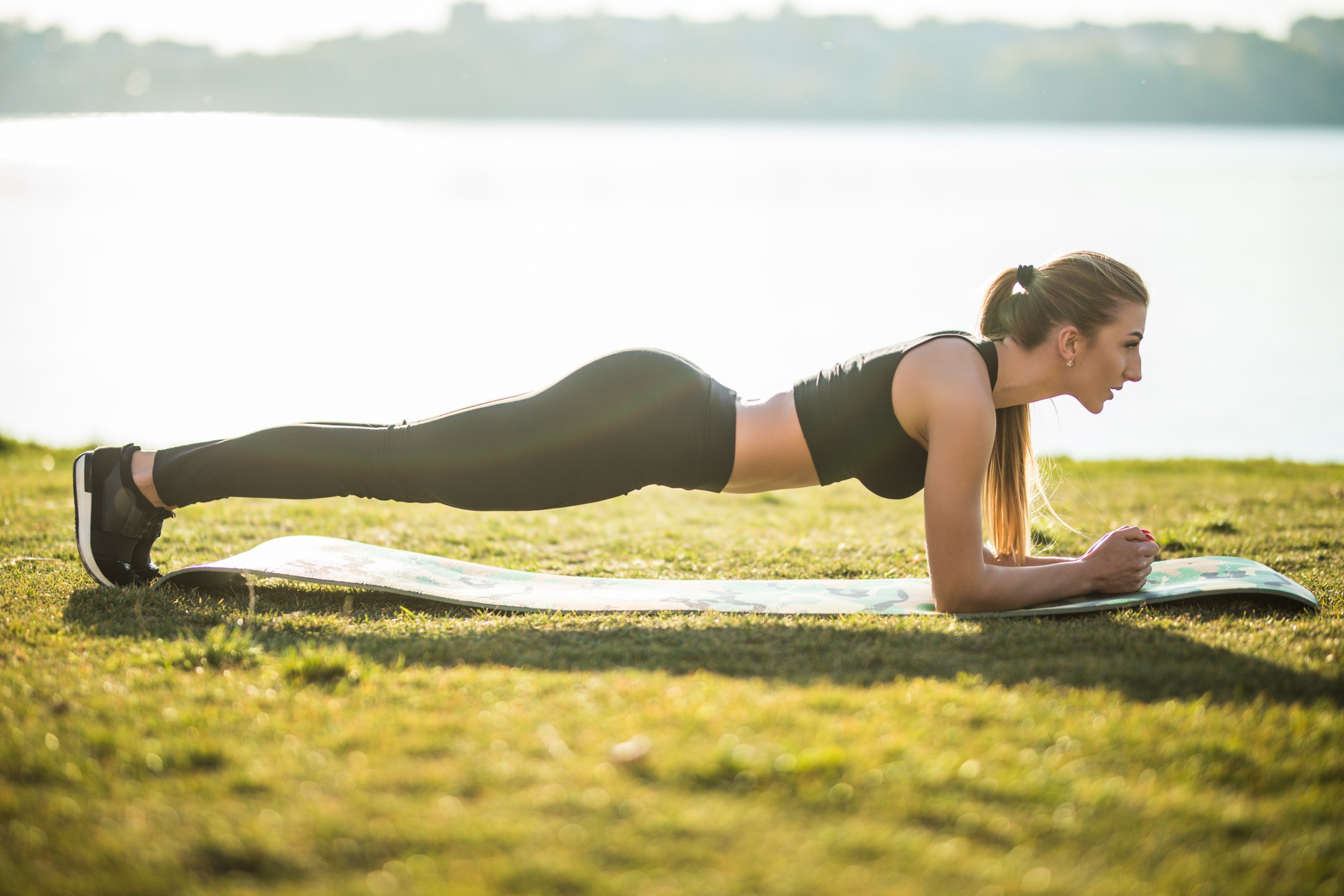
- Alignment of the Kinetic Chain: The elbows must be positioned directly beneath the shoulders. The body should form a straight line from the crown of the head to the heels. Any deviation, such as the hips sagging toward the floor or rising toward the ceiling, shifts the load away from the core and onto the lower back, potentially causing injury.
- Pelvic Neutrality: A frequent error is the anterior pelvic tilt. By consciously tucking the pelvis—essentially drawing the belly button toward the spine—the practitioner ensures the engagement of the deep abdominal wall.
- Scapular Stability: The shoulder blades should be retracted and depressed, creating a wide, stable base. Collapsing into the shoulders leads to neck strain and impingement risks.
- Respiratory Regulation: Breath-holding (the Valsalva maneuver) should be avoided. Consistent, rhythmic breathing ensures oxygen delivery to the working muscles, which is vital for maintaining the isometric contraction.
Addressing Common Pitfalls and Safety Protocols
Newsroom reports from leading sports medicine clinics indicate that the most common injuries associated with the plank are not caused by the movement itself, but by poor execution. Over-extending the hold time when the muscles have already reached failure is a leading cause of lumbar strain.
"When the core fatigues, the body naturally seeks the path of least resistance," notes a senior physiotherapist. "This usually involves the hip flexors or the lumbar spine taking over the workload. If the form breaks, the exercise should end immediately. Quality of movement always supersedes the duration of the hold."
Common errors to mitigate include:
- The "Hanging" Head: Allowing the neck to drop can lead to cervical strain. The gaze should be directed at the floor just beyond the fingertips to keep the cervical spine neutral.
- Ignoring the Lower Body: A plank is a full-body engagement. Failing to squeeze the quadriceps and glutes prevents the body from achieving the necessary rigidity, effectively wasting the potential benefit to the posterior chain.
The Broader Impact on Mental Health and Performance
The psychological benefits of daily physical consistency are well-documented. The discipline required to hold a plank—a movement that becomes increasingly uncomfortable as the seconds tick by—builds mental fortitude. The release of endorphins post-exercise acts as a natural mood stabilizer, helping to mitigate the physiological markers of stress, such as elevated cortisol levels.
Moreover, the functional carryover of the plank is profound. Whether an individual is a professional athlete or a desk-bound professional, the ability to stabilize the torso is critical for injury prevention. As the core becomes more adept at stabilizing the spine, the ease with which one performs activities such as lifting groceries, maintaining posture during long meetings, or even running, increases substantially.
Future Perspectives in Functional Fitness
As the fitness industry moves away from the "more is better" mentality of the early 2000s toward a more sustainable, time-efficient model, the plank remains a centerpiece. Its simplicity is its greatest strength. In a global landscape where health disparities are widening, the accessibility of a movement that requires nothing more than floor space democratizes fitness.
Looking ahead, the integration of biometric monitoring—such as wearable sensors that track core engagement and postural deviation—may further enhance the efficacy of the plank. By providing real-time feedback, these technologies could allow individuals to train with the precision of professional athletes, further reducing the risk of injury while maximizing the metabolic and structural outcomes.
In summary, the plank represents a convergence of simplicity and high-utility physiology. By adhering to strict biomechanical standards and adopting a progressive approach to frequency and duration, individuals can build a foundation of strength that supports both longevity and performance in the modern age. It is not merely an exercise, but a fundamental check on the body’s structural integrity, serving as a reliable benchmark for functional health in an increasingly sedentary world.