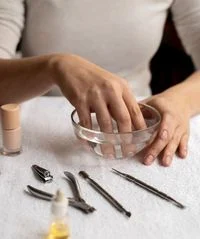
The rising popularity of professional-grade nail aesthetics has transformed personal grooming, yet this shift has introduced a significant surge in dermatological complications, particularly onychomycosis, or fungal nail infections. While artificial enhancements such as acrylics, gels, and press-on nails offer an affordable alternative to frequent salon visits, the improper application and extended wear of these materials create an ideal environment for pathogenic fungi. As consumer demand for DIY beauty trends accelerates, health professionals are increasingly warning about the hidden risks associated with the prolonged entrapment of moisture beneath synthetic nail overlays.
The Mechanism of Infection: Why Artificial Nails Pose a Risk
The primary catalyst for fungal growth beneath artificial nails is the compromise of the natural nail bed’s environment. When a synthetic nail is applied, it acts as a seal. If that seal is imperfect—characterized by gaps, lifting edges, or air pockets—it traps moisture and debris. This stagnant, warm, and humid micro-environment becomes a breeding ground for organisms such as Trichophyton rubrum, the most common dermatophyte responsible for nail infections.
Data indicates that while T. rubrum accounts for the majority of cases, Candida albicans—a yeast—is responsible for approximately 2% of hand-related nail infections. The structural integrity of the nail is compromised when moisture accumulates, leading to a condition often referred to as "greenie" or bacterial/fungal discoloration. The risk is significantly amplified in scenarios where users wear artificial nails for consecutive periods exceeding three months without allowing the natural nail plate to "breathe" or recover.
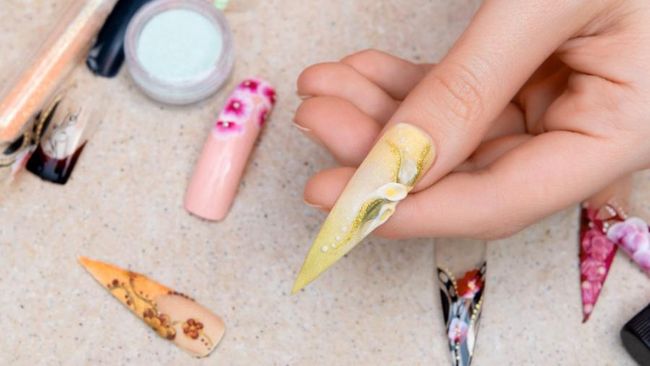
Chronology of Complications and Preventative Failures
The trajectory of a typical fungal infection often follows a predictable timeline for the average user. In the first phase, the user applies artificial nails, often utilizing store-bought kits or salon-grade adhesives. If the preparation of the natural nail—specifically the removal of cuticles and the dehydrating of the nail plate—is incomplete, the adhesive bond remains weak.
Within 7 to 14 days, the user may notice "lifting," where the edge of the artificial nail separates from the natural nail. Rather than removing the nail entirely, many consumers opt to fill the gap with more glue or ignore the separation. This allows water to enter the space during routine activities like hand washing or showering. By the third or fourth week, the infection manifests as white, yellow, or greenish discoloration of the nail plate. If left untreated, the fungal colony begins to digest the keratin of the nail, leading to thickening, brittleness, and potential detachment of the nail plate from the nail bed (onycholysis).
Home-Based Remediation Strategies
For those experiencing mild symptoms, initial remediation involves the immediate removal of the artificial enhancement. It is imperative to avoid the application of new products, including nail polish or further artificial overlays, until the infection is completely resolved.
The Cile/Water Soak Method
Research suggests that altering the pH level of the nail bed can inhibit the proliferation of certain fungi. A solution consisting of two parts warm water to one part vinegar can serve as a mild antiseptic. Soaking the affected digits for 15 to 20 minutes daily may help stabilize the nail bed, although this is considered a supportive measure rather than a clinical cure for established infections.
Essential Oil Applications
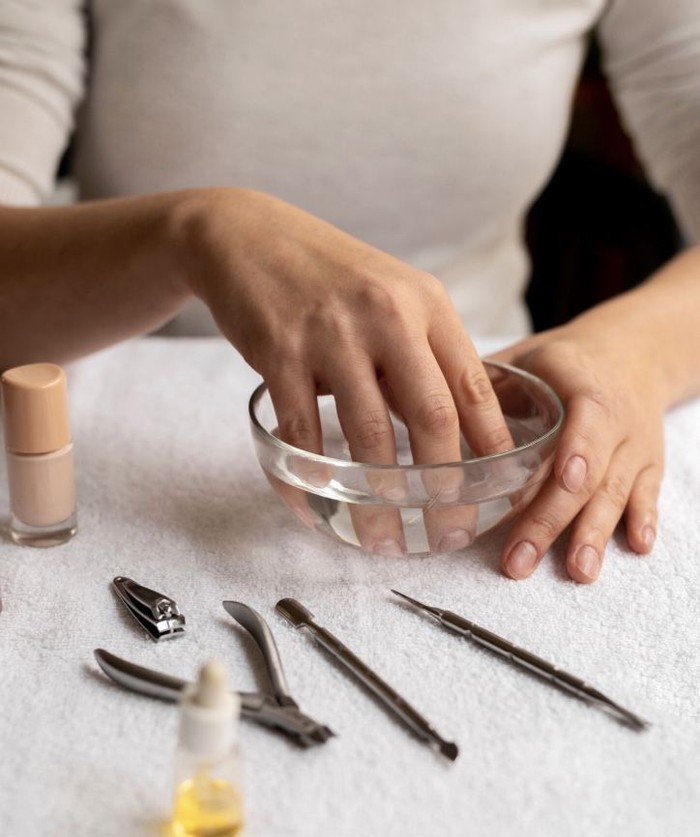
The use of botanical extracts has gained traction in dermatology as a complementary approach. Tea tree oil (Melaleuca alternifolia) contains terpinen-4-ol, which has demonstrated antifungal properties in various clinical settings. Similarly, oregano oil, rich in thymol, is often cited for its ability to disrupt fungal cell membranes. These oils should be applied topically to the affected area twice daily. However, it is essential to note that while these treatments show promise, they are not a substitute for professional medical intervention in cases where the infection has penetrated the nail matrix.
Clinical Perspectives and Medical Intervention
While home remedies can mitigate early-stage symptoms, the medical community emphasizes that severe or persistent infections require pharmacological intervention. According to clinical guidelines, oral antifungal medications such as terbinafine are the gold standard for treating deep-seated nail infections. Terbinafine works by inhibiting the enzyme squalene epoxidase, which is vital for fungal cell wall synthesis.
Medical experts warn that self-diagnosis can be dangerous. Other conditions, such as psoriasis or bacterial infections (e.g., Pseudomonas aeruginosa), can mimic the appearance of a fungal infection. Therefore, a clinical examination involving a nail clipping analysis or a KOH test is often necessary to confirm the diagnosis. Patients with compromised immune systems, diabetes, or poor circulation are at a significantly higher risk of complications and should avoid DIY treatments in favor of immediate consultation with a dermatologist or podiatrist.
The Broader Implications for the Beauty Industry
The surge in "at-home" beauty complications reflects a gap in consumer education regarding the chemical and biological risks of cosmetic enhancements. Industry analysts suggest that the rise of social media-driven trends has prioritized aesthetic speed over long-term nail health. Regulatory bodies have begun to emphasize the need for clearer labeling on adhesive products, warning users about the risks of moisture entrapment and the necessity of proper nail preparation.
From a public health perspective, the implication is clear: the convenience of artificial nails comes with a responsibility for maintenance. Experts advocate for a "nail sabbatical" policy, where users take at least one week off for every three weeks of wearing artificial enhancements. This allows for visual inspection of the nail plate and the natural restoration of the nail’s protective barriers.
Strategic Recommendations for Consumers
To minimize the risk of onychomycosis while maintaining nail aesthetics, consumers should adhere to the following best practices:
- Strict Hygiene Protocols: Ensure that all tools used for nail preparation are sterilized. Using shared tools in a salon setting without proper disinfection is a leading vector for cross-contamination.
- Monitor for Lifting: Any sign of the artificial nail lifting from the natural nail bed should be addressed immediately by removing the entire set, not by patching the gap.
- Moisture Control: After washing hands, ensure the area beneath and around the nail is thoroughly dried. Using a hairdryer on a cool setting can help evaporate trapped moisture in hard-to-reach areas.
- Professional Assessment: If discoloration, pain, or swelling occurs, seek medical advice rather than covering the area with additional layers of polish or acrylic.
The transition from amateur to safe, long-term nail care requires a fundamental shift in how consumers view their manicure routines. As the market for artificial nails continues to expand, the focus must shift from the instantaneous gratification of appearance to the sustainable health of the nail unit. By recognizing the signs of infection early and adhering to evidence-based care, individuals can enjoy the benefits of cosmetic enhancements without compromising their dermatological well-being. The integration of proper hygiene, periodic rest, and timely medical intervention remains the most effective strategy in mitigating the risks posed by modern beauty standards.