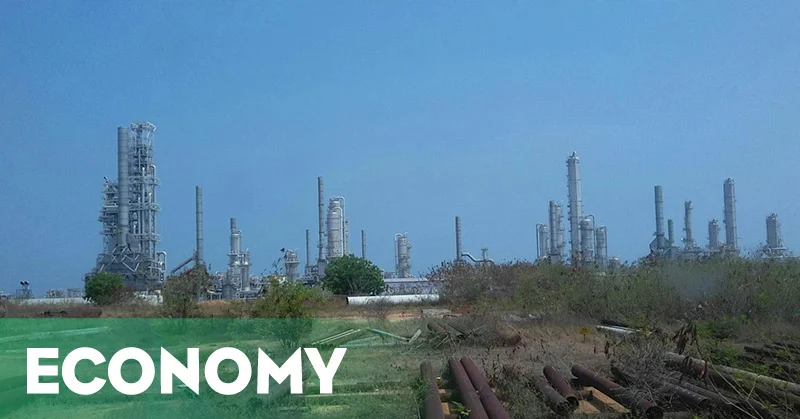
In a decisive move aimed at bolstering Indonesia’s energy independence and curbing the nation’s heavy reliance on foreign fuel imports, President Joko Widodo, popularly known as Jokowi, conducted a high-level inspection of the PT Trans Pacific Petrochemical Indotama (TPPI) refinery in Tuban, East Java, on Wednesday, November 11, 2015. The visit marks a significant milestone in the administration’s strategic roadmap to revitalize dormant industrial assets and optimize domestic production capabilities. Accompanied by a delegation of top-tier officials, including Minister of State-Owned Enterprises (BUMN) Rini Soemarno, Pertamina President Director Dwi Soetjipto, and Director General of Oil and Gas at the Ministry of Energy and Mineral Resources, IGN Wiratmaja, the President’s presence underscored the critical importance of the TPPI facility to the national economy.
The reactivation of the TPPI refinery is a central pillar of the government’s broader strategy to achieve energy sovereignty. For years, the facility had faced operational hurdles and complex legal and financial disputes that left its massive production capacity underutilized. Under the direct supervision of the Ministry of BUMN and managed by the state energy giant PT Pertamina (Persero), the refinery has been successfully brought back online, signaling a new era for Indonesia’s downstream oil and gas sector. The facility is expected to serve as a cornerstone in the effort to reduce the current account deficit by significantly lowering the volume of imported refined products.
A Strategic Asset Revitalized: The Context of TPPI Tuban
The Trans Pacific Petrochemical Indotama refinery, located in the strategic coastal region of Tuban, is one of the most sophisticated industrial complexes in Southeast Asia. Originally designed to produce both petrochemicals and refined petroleum products, the facility has a complex history intertwined with Indonesia’s economic fluctuations. For over a decade, the refinery’s potential was hamstrung by debt restructuring issues and ownership disputes. However, the Jokowi administration identified the facility as a "quick win" for national energy security, leading to a concerted effort by Pertamina to take over operations and integrate the refinery into its national supply chain.
The decision to prioritize the TPPI refinery stems from its unique dual-purpose design. Unlike standard refineries that focus solely on fuel, TPPI is capable of producing high-value aromatic chemicals such as paraxylene, benzene, and toluene, while simultaneously processing light naphtha and condensate into motor spirits. By bringing this facility back into the national fold, the government is not only addressing the fuel shortage but also providing a vital raw material stream for the domestic plastics and textile industries, thereby creating a multiplier effect across the manufacturing sector.
Significant Reduction in National Fuel Imports
The most immediate and tangible benefit of the TPPI refinery’s return to operation is its impact on the national fuel balance. According to Wianda Pusponegoro, Vice President of Corporate Communication at Pertamina, the facility’s contribution to the domestic supply of Bahan Bakar Minyak (BBM) is substantial. The refinery is currently optimized to produce "Premium" grade gasoline (RON 88), which remains the most widely consumed fuel type in the Indonesian market.
"The reactivation of this refinery is a major focus for the President because of its direct impact on our import dependency," Wianda stated during the inspection in Tuban. "The facility is capable of producing approximately 61,000 barrels per day of Premium gasoline. At this volume, we are looking at a 20 percent reduction in the total national import requirement for RON 88 fuel."
This 20 percent reduction represents a tectonic shift in Indonesia’s energy logistics. For decades, Indonesia has been a net importer of oil, a situation that has frequently strained the state budget and pressured the value of the Rupiah. By shifting a fifth of the import volume to domestic production, the government gains greater control over supply stability and reduces the logistical risks associated with international shipping and global market volatility.
Economic Implications and Fiscal Savings
The financial ramifications of the TPPI restart are equally profound. Based on current market projections and an assumed average oil price of USD 60 per barrel for gasoline, the operational efficiency of the Tuban refinery is expected to save the Indonesian government approximately USD 1.2 billion annually. At the prevailing exchange rates in late 2015, this translates to a staggering Rp16 trillion in annual savings.
These savings are particularly vital given the global economic climate of the mid-2010s. With the Indonesian government seeking to reallocate subsidies from consumption to productive sectors—such as infrastructure, education, and healthcare—the ability to reduce the cost of fuel procurement is a major fiscal victory. The Rp16 trillion saved from fuel imports can be redirected toward the construction of roads, bridges, and ports in underdeveloped regions, aligning with the President’s "Nawa Cita" or nine priority programs.
Furthermore, the operation of the refinery in Tuban provides a significant boost to the local economy in East Java. The facility employs thousands of skilled technicians and laborers, supports a network of local suppliers, and contributes to the regional tax base. The revitalization of such a large-scale industrial asset often acts as a catalyst for further investment in the surrounding area, potentially turning Tuban into a premier industrial hub for the petrochemical sector.

Chronology of the Revitalization Effort
The journey to the November 2015 inspection was the result of months of intensive inter-agency coordination. The chronology of the TPPI revival began with a clear mandate from President Jokowi shortly after taking office in late 2014, demanding that Pertamina find ways to increase domestic refining capacity without waiting for the years-long construction of new refineries.
In early 2015, Pertamina began a series of technical assessments of the Tuban facility to determine the integrity of its infrastructure after periods of dormancy. Following these assessments, a legal and financial framework was established to allow Pertamina to supply the necessary feedstock (condensate and naphtha) and manage the refinery’s output. By the third quarter of 2015, trial runs were initiated, testing the facility’s ability to produce fuel that met national standards.
The successful trial runs paved the way for the official inspection by the President and Minister Rini Soemarno. The presence of the Minister of BUMN was particularly significant, as her ministry played a key role in navigating the corporate restructuring required to bring TPPI back into a productive state. The collaboration between the Ministry of BUMN and the Ministry of Energy and Mineral Resources (ESDM) was essential in aligning the refinery’s operations with national energy policy.
Technical Capacity and Future Integration
The TPPI refinery is not an isolated asset; it is part of a broader vision to integrate Indonesia’s downstream infrastructure. Currently, the facility processes light condensate, much of which is sourced from domestic fields such as the Cepu Block. This creates a highly efficient "well-to-pump" domestic supply chain, minimizing the need for international intermediaries.
Director General of Oil and Gas, IGN Wiratmaja, noted that the technical capabilities of the Tuban refinery are being continuously monitored to ensure maximum output. While the current focus is on RON 88 (Premium), there are ongoing discussions regarding the facility’s ability to produce higher-octane fuels like Pertalite (RON 90) or Pertamax (RON 92) as Indonesia transitions toward more environmentally friendly fuel standards.
Beyond fuel, the aromatic center at TPPI remains a strategic priority. Indonesia currently imports a significant portion of its petrochemical needs. By fully utilizing the TPPI aromatic units, the country can produce paraxylene, which is a key precursor for Purified Terephthalic Acid (PTA)—the building block for polyester. This integration supports the domestic textile industry, which is a major employer in Indonesia, by providing a more stable and cost-effective supply of raw materials.
Impact on National Energy Sovereignty
The reactivation of the TPPI refinery is more than just an industrial achievement; it is a psychological and political victory for the concept of energy sovereignty. For years, critics argued that Indonesia’s refining sector was stagnant and that the country was too reliant on the "oil mafia" or international traders who profited from the nation’s lack of domestic capacity.
By bringing a major refinery like TPPI back to life through state-led initiatives, the Jokowi administration has demonstrated that existing assets can be optimized to serve the national interest. This move, coupled with the ongoing Refinery Development Master Plan (RDMP) to upgrade existing refineries in Cilacap, Balikpapan, Dumai, and Balongan, signals a long-term commitment to ending Indonesia’s status as a major fuel importer.
The visit by President Jokowi to Tuban serves as a clear message to stakeholders both domestically and internationally: Indonesia is serious about managing its own resources. The combination of political will, corporate agility from Pertamina, and strategic oversight from the Ministry of BUMN has turned a dormant, debt-ridden asset into a cornerstone of the national energy strategy.
Conclusion and Outlook
As the TPPI refinery ramps up to its full capacity of 61,000 barrels of fuel per day, the focus will shift toward maintaining operational consistency and ensuring a steady supply of feedstock. The government must also address the long-term ownership structure of the facility to ensure that it remains a stable contributor to the national energy grid.
The inspection on November 11, 2015, will likely be remembered as the moment the tide began to turn for Indonesia’s refining industry. With USD 1.2 billion in potential annual savings and a 20 percent reduction in gasoline imports, the TPPI refinery in Tuban stands as a testament to what can be achieved when national policy is aligned with industrial execution. For the people of Indonesia, this translates to a more stable energy supply, a stronger national currency, and a significant step toward the goal of true energy independence. Moving forward, the success of the Tuban refinery will serve as a blueprint for the revitalization of other strategic assets across the archipelago, further cementing the nation’s path toward becoming a regional economic powerhouse.