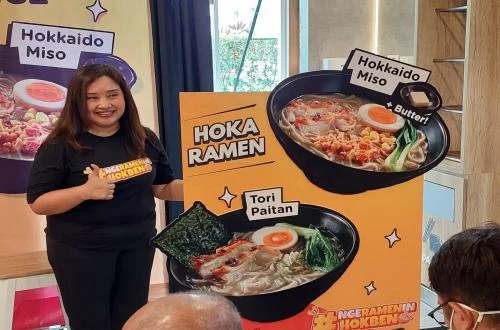
The Indonesian culinary landscape continues to evolve as established players adapt to the shifting preferences of a diverse and demanding consumer base. PT Eka Bogainti, the parent company of the prominent Japanese-style fast-food chain HokBen, has officially announced the expansion of its noodle category with the introduction of Spicy Ramen. This strategic move, unveiled in Jakarta on February 14, 2023, marks a significant milestone in the brand’s ongoing efforts to diversify its menu beyond its traditional rice-based bento boxes and fried appetizers. The launch is specifically designed to cater to the Indonesian public’s well-documented affinity for spicy cuisine, blending authentic Japanese culinary techniques with local flavor profiles that emphasize heat and savory depth.
The introduction of Spicy Ramen is not merely a seasonal addition but a calculated response to market feedback and consumer trends. According to Francisca Lucky, General Manager of Marketing at PT Eka Bogainti, the decision to develop a spicy variant of their ramen line was driven by the realization that a significant majority of Indonesian consumers seek a "pedas" (spicy) element in their daily meals. By integrating this flavor profile into their Hoka Ramen series, HokBen aims to solidify its position as a versatile dining destination that can compete not only with other fast-food giants but also with specialized ramen houses that have proliferated across Indonesian urban centers in recent years.
Product Composition and Pricing Strategy
The Spicy Ramen offering is built upon a foundation of rich chicken broth, meticulously seasoned to provide a robust spicy kick without overpowering the underlying umami notes typical of Japanese ramen. To ensure a premium dining experience within a fast-food framework, the dish is served with an array of high-quality toppings, known in Japanese cuisine as "pugasan." These include chicken chasiu—thinly sliced chicken breast that has been marinated and cooked to maintain a juicy texture—as well as ni tamago (a soft-boiled seasoned egg), pakcoy (bok choy), sliced green onions, and wood ear mushrooms (jamur kuping) for added texture.
Recognizing the varying appetite levels and price sensitivities of its customer base, HokBen has introduced the Spicy Ramen in two distinct portion sizes. The Regular portion is priced at IDR 38,000, while the Large portion is available for IDR 48,000. This pricing strategy places the product in a competitive "sweet spot," bridging the gap between affordable street-level noodles and the higher-priced offerings found in high-end shopping mall ramen boutiques. By keeping the price point under the IDR 50,000 threshold for a large bowl, HokBen is effectively targeting the middle-class demographic and students who seek quality Japanese flavors at an accessible price.
A Chronology of Innovation: From Bento to Ramen
The launch of Spicy Ramen represents the latest chapter in HokBen’s broader diversification strategy, which began to accelerate in the post-pandemic era. While HokBen has been a household name in Indonesia since its founding in 1985 (originally as Hoka Hoka Bento), the brand remained largely focused on its core fried chicken, beef teriyaki, and egg roll offerings for decades. However, the rising popularity of ramen in Indonesia—fueled by a growing interest in Japanese pop culture and a surge in international travel—prompted the company to rethink its menu architecture.
In late 2022, HokBen took its first major step into the ramen market by launching the "Hoka Ramen" series. This initial rollout featured two classic varieties: Hokkaido Miso Ramen and Tori Paitan Ramen. The Hokkaido Miso variant offered a fermented soybean paste base, known for its hearty and earthy flavor, while the Tori Paitan provided a creamy, collagen-rich white chicken broth. These products served as a successful pilot program, proving that HokBen’s customer base was receptive to noodle-based dishes. The success of the late 2022 launch provided the necessary data and confidence for the company to develop the Spicy Ramen variant, which was identified as the "missing link" in their noodle portfolio.
The Science of the Indonesian Palate: Why Spicy Matters
The decision to lean into spicy flavors is supported by extensive market data regarding Southeast Asian consumption habits. Indonesia, in particular, has a deeply ingrained culture of chili consumption, with various forms of "sambal" being a staple in almost every regional cuisine across the archipelago. Research into the Indonesian F&B sector suggests that products marketed with a "spicy" or "extra hot" label often see higher engagement rates and repeat purchases compared to mild alternatives.
In the context of the "Ramen Wars" in Indonesia, the ability to provide a spicy broth that still maintains the integrity of a Japanese soup is a competitive advantage. Many local consumers find traditional Japanese ramen, which often focuses on subtle dashi or fatty pork flavors, to be too "flat" for their preferences. By introducing a spicy chicken-based broth, HokBen is effectively localizing a foreign dish to meet the "Lidah Indonesia" (Indonesian tongue) while maintaining the brand’s identity as a provider of Japanese-style food.
Corporate Strategy and Quality Assurance
Beyond the flavor profile, the launch of Spicy Ramen highlights HokBen’s commitment to quality control and Halal integrity. As a brand that caters to a majority-Muslim population, PT Eka Bogainti has consistently prioritized its Halal certification from the Indonesian Ulema Council (MUI). This is a critical factor in the ramen market, as many traditional Japanese ramen recipes rely on pork-based broths (tonkotsu) or mirin (rice wine). HokBen’s ability to recreate the rich, creamy texture of ramen using 100% Halal-compliant ingredients—primarily chicken and vegetable bases—allows it to capture a wider market share than non-certified competitors.
Francisca Lucky emphasized that the ingredients used in the Spicy Ramen are of the highest quality, with a focus on consistency across all outlets. Whether a customer dines in a major mall in Jakarta or a standalone outlet in a secondary city, the flavor profile of the Spicy Ramen is designed to be identical. This operational excellence is a hallmark of HokBen’s business model, which relies on a centralized supply chain and rigorous training for its kitchen staff.
Market Implications and Competitive Landscape
The expansion of HokBen’s ramen line has broader implications for the Indonesian fast-food industry. For years, the market was bifurcated: on one side were the American-style fried chicken giants like KFC and McDonald’s, and on the other were traditional Japanese restaurants. HokBen has successfully carved out a "third way," offering a fast-casual Japanese experience that is uniquely Indonesian.
The introduction of Spicy Ramen puts pressure on both dedicated ramen chains and other fast-food operators. For ramen chains like Ramen-Ya! or Gokana, HokBen’s entry into the spicy ramen space represents a direct challenge for the budget-conscious consumer. For the American fast-food chains, it represents a further erosion of the "quick meal" monopoly, as consumers now have the option of a hot bowl of noodles alongside the traditional burger or fried chicken meal.
Furthermore, this move reflects a broader trend in the global F&B industry known as "menu blurring," where fast-food establishments adopt elements of casual dining to increase their average transaction value and broaden their appeal. By offering Large portions and "premium" toppings like ni tamago, HokBen is elevating the fast-food experience into something that feels more like a complete, sit-down meal.
Public Response and Future Outlook
Early feedback following the February 14 launch indicated a strong positive reception, particularly among younger demographics who are active on social media platforms like TikTok and Instagram. The "spicy food challenge" culture in Indonesia has historically helped brands gain viral traction, and HokBen’s Spicy Ramen is well-positioned to benefit from this digital word-of-mouth.
Looking ahead, PT Eka Bogainti appears set to continue its path of menu innovation. Industry analysts suggest that if the Spicy Ramen meets its sales targets, the company may explore further regional Japanese variations or seasonal spicy offerings. There is also potential for HokBen to expand its "Hoka Ramen" brand into standalone kiosks or smaller format stores that focus exclusively on noodles, given the lower overhead and high demand for quick-service ramen.
In conclusion, the launch of Spicy Ramen is a testament to HokBen’s agility and its deep understanding of its core audience. By combining the comfort of Japanese ramen with the bold, fiery flavors that Indonesians crave, the company has not only refreshed its menu but also reinforced its status as a leader in the nation’s competitive food and beverage sector. As the brand continues to bridge the gap between tradition and local preference, it sets a benchmark for how international cuisines can be successfully adapted for the Indonesian market without losing their original essence.