
For decades, the consumption of spicy food was often met with caution by medical professionals and the general public alike, frequently cited as a primary culprit for gastrointestinal distress, acid reflux, and stomach ulcers. However, a growing body of international scientific research is fundamentally shifting this narrative, suggesting that the heat found in chili peppers may actually be a key to a longer, healthier life. Recent longitudinal studies and meta-analyses have revealed a compelling correlation between the regular intake of spicy foods and a significant reduction in all-cause mortality, particularly regarding deaths related to cardiovascular disease and cancer.
While the correlation between spice and longevity does not yet constitute a definitive cause-and-effect proof in the eyes of all clinical researchers, the consistency of findings across diverse populations—from China and Italy to the United States—has prompted a deeper investigation into the biological mechanisms at play. Central to this phenomenon is capsaicin, the active alkaloid compound responsible for the pungent heat of chili peppers, which is now being hailed for its potent anti-inflammatory, antioxidant, and metabolic-boosting properties.
A Timeline of Scientific Discovery: From 2017 to 2025
The journey toward understanding the health benefits of spicy food has been marked by several landmark studies over the past decade. One of the earliest major breakthroughs occurred in 2017, when researchers at the Larner College of Medicine at the University of Vermont published a significant study in the journal PLOS ONE. By analyzing data from more than 16,000 Americans followed for up to 23 years, the researchers found that those who consumed hot red chili peppers had a 13% lower risk of death compared to those who did not. This study was revolutionary because it shifted the focus from the immediate digestive impact of spice to its long-term systemic benefits.
Building on this momentum, the American Heart Association (AHA) presented a massive meta-analysis during its Scientific Sessions in 2020. This research was unprecedented in scale, screening over 4,729 studies and utilizing health and dietary records from more than 570,000 individuals across the United States, Italy, China, and Iran. The results were staggering: individuals who consumed chili peppers regularly experienced a 25% relative reduction in cardiovascular mortality, a 23% reduction in cancer mortality, and a 25% reduction in all-cause mortality. This data suggested that the benefits of spice were not confined to a specific ethnic diet but were a universal physiological response.

The most recent contribution to this field came in early 2025. A study published in the Chinese Medical Journal focused specifically on the frequency of consumption. The researchers found that individuals who integrated spicy foods into their diet at least once a week possessed a significantly lower risk of developing vascular diseases compared to those who rarely or never consumed them. This suggests that even moderate, consistent consumption—rather than daily "extreme" spice intake—is sufficient to trigger protective health mechanisms.
The Capsaicin Mechanism: How Heat Heals the Body
The primary driver behind these health benefits is capsaicin, a chemical compound that binds to pain receptors in the mouth and throat, known as TRPV1 (transient receptor potential vanilloid 1). While the brain interprets this binding as a "burning" sensation, the body responds by releasing endorphins and dopamines, creating a natural "high." However, the internal benefits go far beyond neurochemistry.
According to data from the Mayo Clinic, capsaicin acts as a powerful metabolic stimulant. It has been shown to increase the body’s thermogenesis—the process by which the body burns calories to produce heat. Furthermore, capsaicin is a potent anti-inflammatory agent. Chronic inflammation is widely recognized as a "silent killer" that contributes to the development of heart disease, diabetes, and various forms of cancer. By inhibiting certain pro-inflammatory signaling pathways, capsaicin helps maintain the integrity of the vascular system and cellular health.
Dr. Philip Goglia, a prominent nutritionist based in California, emphasizes the multi-faceted nature of the chili pepper. "Chili peppers possess a wealth of benefits that have the potential to extend lifespan and can be seamlessly integrated into various cuisines," Dr. Goglia noted. "Capsaicin has been proven in various studies to exhibit antibacterial, anti-carcinogenic, and anti-diabetic properties. Moreover, it plays a crucial role in managing lipid profiles, specifically helping to lower cholesterol levels in individuals struggling with obesity."
Cardiovascular Health and Cholesterol Management
One of the most significant implications of spicy food consumption is its effect on the cardiovascular system. Research indicates that capsaicin can help improve blood flow and reduce the formation of blood clots. It also appears to positively influence the way the body handles cholesterol. In individuals with low levels of HDL (the "good" cholesterol), capsaicin has been found to help modulate lipid metabolism, potentially reducing the buildup of plaque in the arteries.
By improving the flexibility of blood vessels and reducing systemic inflammation, spicy foods may act as a natural preventative measure against hypertension and strokes. The 2020 AHA data, which showed a 25% drop in heart-related deaths, underscores the potential for dietary spice to complement traditional medical interventions for heart health.
The Indonesian Context: Culinary Tradition and Market Stability
In nations like Indonesia, spicy food is not just a health trend but a foundational element of the cultural identity. From the ubiquitous sambal to spice-laden curries, chili consumption is a daily ritual for millions. Interestingly, the health benefits of chili are often discussed alongside the economic accessibility of these ingredients.
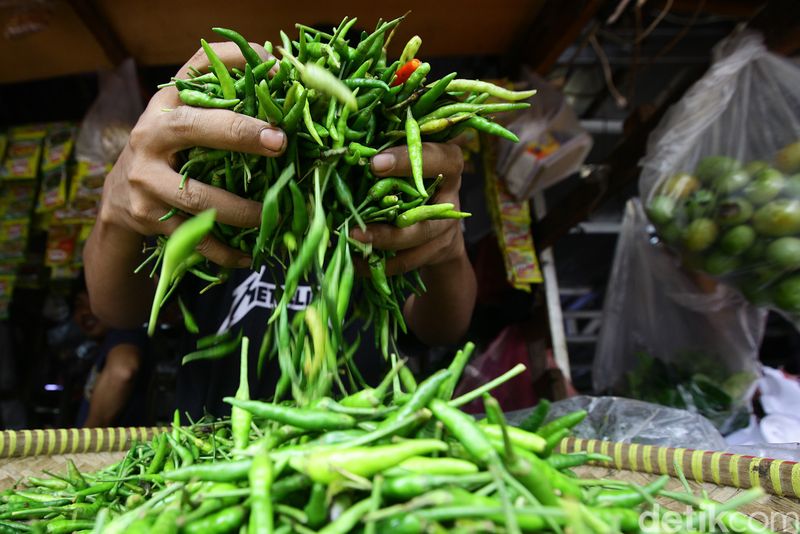
In Jakarta, particularly during the first week of Ramadan in March 2025, market observations at Petamburan and Tanah Abang showed that despite the high demand for spices, the price of chili remained relatively stable. Local bird’s eye chilies (cabe rawit) were recorded at approximately Rp 50,000 per kilogram. This stability in the "spice market" is vital, as it ensures that the lower-income segments of the population can continue to access what is increasingly being viewed as a functional superfood. The affordability of chilies in Southeast Asia may contribute to a different public health profile regarding cardiovascular resilience compared to regions where spice is an occasional additive.
Addressing the "Spicy Paradox": Digestion vs. Longevity
Despite the overwhelming evidence in favor of spice, a paradox remains: why does something that can cause immediate discomfort lead to long-term health? Experts suggest that the "stress" placed on the body by capsaicin is a form of hormesis—a biological phenomenon where a low dose of a stressor (like heat) triggers a beneficial adaptive response in the body.
However, moderation remains the consensus among the medical community. While the 2025 study suggests that once-a-week consumption is beneficial, "extreme" spicy food challenges—often seen in social media trends—can lead to acute gastritis or esophageal irritation. The goal is consistent, flavorful integration rather than painful overconsumption.

Furthermore, researchers caution that spicy food is not a "magic bullet." The benefits of chili peppers are most pronounced when they are part of a balanced diet rich in fiber, lean proteins, and healthy fats. In many of the studies cited, those who ate spicy food also tended to consume more vegetables and less salt, as the spice provided the flavor profile that might otherwise be sought through sodium.
Broader Implications and Future Research
The shift in how we perceive spicy food has significant implications for public health policy and dietary guidelines. As the global burden of non-communicable diseases (NCDs) like heart disease and diabetes continues to rise, low-cost dietary interventions become increasingly important.
Future research is expected to delve deeper into the relationship between capsaicin and the gut microbiome. Preliminary evidence suggests that spicy foods may promote the growth of beneficial gut bacteria, which in turn strengthens the immune system and regulates mood. Additionally, clinical trials are ongoing to determine if capsaicin supplements can provide the same benefits as whole-food chili consumption, though most nutritionists agree that the synergistic effect of the vitamins (A, C, and E) found in fresh peppers is superior.
In conclusion, the fiery heat of the chili pepper, once dismissed as a mere culinary preference or a digestive irritant, is proving to be a formidable ally in the quest for longevity. With a 25% reduction in cardiovascular mortality and a significant decrease in all-cause mortality linked to its consumption, spice is earning its place at the center of the healthy heart diet. As science continues to unlock the secrets of capsaicin, the old adage "no pain, no gain" may find a new, literal home in the world of preventive medicine. For those looking to add years to their lives, the answer may be as simple—and as pungent—as adding a little more heat to their plate.