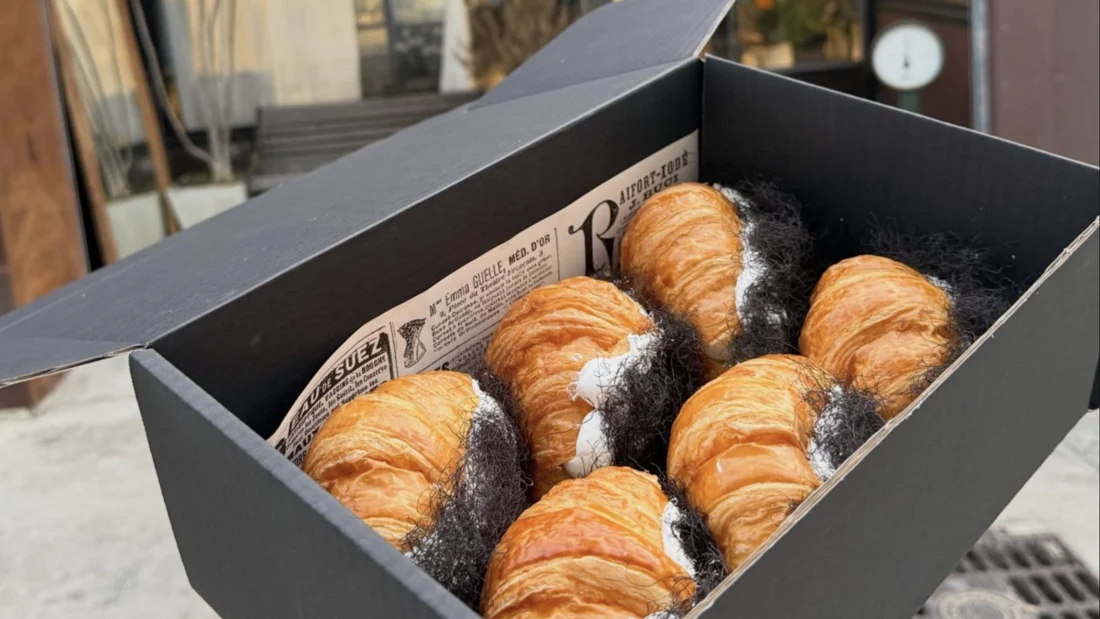
The culinary landscape in Southeast Asia has recently been captivated by a peculiar pastry trend that has sparked as much fascination as it has controversy. Known colloquially as the "Corissant Pattaya," this innovation features a croissant or bento cake topped with a dark, fibrous, and tangled substance that bears a striking resemblance to human pubic hair. While the trend originated in Thailand, its rapid migration to the Indonesian market has triggered a rigorous evaluation by the Indonesian Ulema Council (MUI). Despite the potentially permissible nature of the ingredients used, the MUI has officially clarified that such products are ineligible for halal certification in Indonesia. This decision underscores a complex intersection of religious law, aesthetic standards, and the burgeoning "viral food" economy.
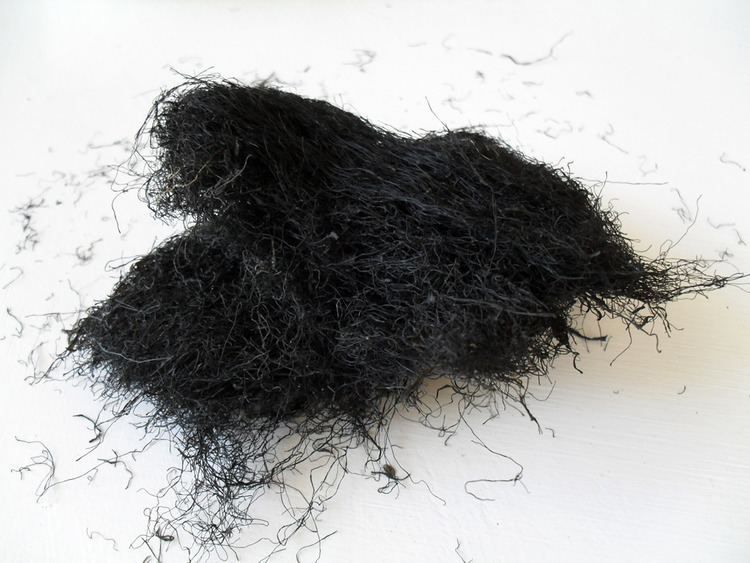
The "Corissant Pattaya" first gained traction on social media platforms like TikTok and Instagram, where food influencers highlighted its unconventional appearance. The pastry is typically characterized by a standard butter croissant base, but the defining feature is the topping of "fat choy"—a type of terrestrial cyanobacteria that, when dried, looks like fine, black hair. As the trend moved from the cafes of Pattaya to the urban centers of Jakarta and Surabaya, Indonesian consumers began questioning the status of these products under the country’s strict halal regulations. The debate culminated in a formal clarification from the MUI, which cited specific fatwas regarding the naming, shape, and presentation of food products.
To understand the regulatory rejection, one must first analyze the composition of the product. The base of the pastry follows traditional recipes: wheat flour, yeast, butter, milk, and sugar. The controversial topping, fat choy (scientific name Nostoc flagelliforme), is a photosynthetic bacterium that grows in the arid regions of Northern China and Mongolia. In Chinese culinary tradition, fat choy is a prized ingredient, often served during Lunar New Year because its name is a homophone for "striking it rich." When processed, it forms thin, dark strands that are lightweight and slightly crunchy. From a purely toxicological and biological standpoint, fat choy is generally considered safe for consumption and does not inherently contain "haram" (forbidden) substances such as porcine derivatives or alcohol.

However, the Indonesian halal certification process, managed by the Halal Product Assurance Organizing Agency (BPJPH) in coordination with the MUI, does not limit its assessment to chemical composition alone. The core of the current controversy lies in the MUI Fatwa Number 44 of 2020, which outlines the "Use of Names, Shapes, and Packaging of Products That Cannot Be Certified Halal." This fatwa dictates that for a product to be deemed halal, it must also fulfill the criteria of being thayyib—a term meaning wholesome, good, decent, and aesthetically pleasing in accordance with Islamic values.
According to the MUI, the Corissant Pattaya fails the thayyib test due to its visual association with human anatomy and eroticism. In the official statement released via the MUI’s digital portal on July 16, 2024, the council emphasized that food products must not carry names or shapes that lead to negative connotations, vulgarity, or associations with filth (najis). The "hair-like" topping, which has been widely described by netizens and marketers alike as resembling pubic hair, falls into the category of "visuals that trigger disgust or contravene public decency."
The MUI’s decision is rooted in the Islamic legal principle of urf, or social custom and tradition. In Indonesian society, food is regarded with a high degree of respect; therefore, presenting food in a manner that mimics body parts generally considered private or unhygienic is viewed as a violation of cultural and religious norms. The fatwa explicitly states that even if the ingredients are 100% halal, the product cannot receive certification if its name or shape refers to things that are forbidden or considered "disgusting" (khabith). This includes shapes resembling pigs, dogs, or, in this case, sensitive human hair.
Furthermore, the marketing strategies surrounding the Corissant Pattaya have often leaned into the "edgy" or "adult" nature of the visual. Many social media posts promoting the pastry use suggestive captions or highlight the "taboo" nature of the appearance to drive engagement. The MUI noted that any product promoted through eroticism or themes that overlap with pornography is automatically disqualified from receiving a halal label. This is a preventative measure intended to protect the integrity of the "Halal Indonesia" logo, ensuring it remains a symbol of both religious purity and moral propriety.
The broader implications of this ruling are significant for the Indonesian food and beverage industry, which is currently racing to meet the government’s 2024 mandatory halal certification deadline. Business owners are now being cautioned that "viral marketing" must not come at the expense of religious compliance. The trend of naming products with provocative titles—such as "Mie Setan" (Devil’s Noodles) or "Samyang Carbonara" (which previously faced scrutiny over ingredient transparency)—has already forced many brands to rebrand to secure their halal certificates. The Corissant Pattaya serves as a modern case study in how visual aesthetics are now scrutinized as heavily as the supply chain.
From a sociological perspective, the rise of the "pubic hair pastry" highlights a clash between globalized social media trends and localized religious standards. In Thailand, the pastry was largely seen as a humorous, avant-garde culinary experiment. However, in Indonesia, the world’s most populous Muslim-majority nation, food is a central pillar of religious identity. The MUI’s rejection of the certification serves as a reminder that the halal industry is not just a technical or chemical standard, but a cultural and ethical one.
Critics of the decision might argue that the interpretation of "disgusting" or "erotic" is subjective. However, the MUI maintains that its guidelines are designed to uphold a collective standard of decency. The council references Surah Al-Baqarah, verse 168 of the Qur’an, which commands: "O mankind, eat from whatever is on earth [that is] lawful and good." The word "good" (thayyiban) is interpreted by scholars to include the concept of muru’ah (dignity). Consuming or selling food that mimics human waste, filth, or private body parts is seen as an affront to this dignity.
The chronology of this event follows a familiar pattern in the age of digital connectivity. The trend emerged in early 2024 in Bangkok, fueled by "foodstagrammers" seeking the next shock-value item. By May 2024, boutique bakeries in Jakarta began experimenting with fat choy as a topping, often branding it as "Pattaya-style." By June, the term "hair pastry" was trending on Indonesian X (formerly Twitter), leading to a surge in public inquiries to the MUI’s LPPOM (Institute for Food, Drugs, and Cosmetics). The formal response in July 2024 effectively halts any ambition for these specific products to enter the formal halal-certified market, which is essential for large-scale retail and distribution in Indonesia.

For bakeries and entrepreneurs, the lesson is clear: innovation must be tempered with cultural sensitivity. While the use of fat choy itself is not prohibited—and remains a popular ingredient in traditional Chinese-Indonesian soups and stir-fries—its application in a context that mimics human hair is where the regulatory line is drawn. If a bakery wishes to use fat choy on a pastry, it must ensure the presentation does not evoke the prohibited connotations mentioned in Fatwa No. 44.
In conclusion, while the Corissant Pattaya may continue to exist as a niche, uncertified novelty in unregulated spaces, it will not find a place in Indonesia’s official halal ecosystem. The MUI’s stance reaffirms that the "Halal" designation is a holistic seal of approval. It demands that food be permissible in its essence, clean in its production, and honorable in its presentation. As the global food industry continues to push boundaries with "Instagrammable" and "shock-value" creations, the Indonesian regulatory framework remains a steadfast guardian of the principle that what we eat should reflect the values we uphold. This case serves as a definitive guideline for future culinary innovations, ensuring that the drive for virality does not bypass the essential requirements of decency and religious law.