
The global landscape of consumer priority has undergone a seismic shift over the last decade, transitioning from the accumulation of physical assets to the acquisition of life experiences. For the modern generation, particularly millennials and Gen Z, traveling is no longer viewed as an occasional luxury or a seasonal escape; rather, it has been integrated into their core identity as a mandatory lifestyle choice. This demographic increasingly views investment in travel and global exposure as significantly more valuable than traditional financial investments, such as real estate or automotive purchases. This phenomenon, often referred to as the "Experience Economy," reflects a broader cultural movement where memories, personal growth, and cultural literacy are prioritized over the static security of material possessions.
The Historical Context of the Travel Revolution
To understand the current obsession with travel, one must look at the generational contrast in financial philosophy. For the Silent Generation and Baby Boomers, success was traditionally measured by the stability of one’s "brick and mortar" assets. Savings were meticulously allocated toward homeownership, pension funds, and long-term insurance. However, the socio-economic landscape faced by millennials—characterized by the 2008 financial crisis, the rising cost of housing, and the gig economy—has fundamentally altered the perception of "future security."
As traditional milestones like homeownership became increasingly difficult to achieve in many urban centers, younger generations pivoted toward "attainable luxury" and "experiential wealth." The rise of low-cost carriers in the early 2010s, coupled with the proliferation of digital booking platforms, democratized travel, making it accessible to those who were once priced out of the market. This shift was further accelerated by the advent of social media, where "social capital" became tied to the diversity of one’s experiences and the uniqueness of the locations they visited.
Statistical Overview of the Experiential Shift
Data from various global tourism and financial institutions support this trend. According to a report by Harris Group, 72 percent of millennials prefer to spend their money on experiences rather than material goods. Furthermore, travel industry analysts have noted that "youth travel" now accounts for approximately 23 percent of the over one billion international tourists who travel annually.
A 2023 survey by Skyscanner revealed that nearly 54 percent of Gen Z and millennial travelers are more likely to prioritize travel in their budget than they were in previous years, despite global inflationary pressures. This resilience in travel spending suggests that for these cohorts, travel is an "essential expense" rather than a "discretionary" one. The motivation is clear: 86 percent of respondents stated they travel to experience a new culture, while 70 percent seek to "find themselves" or gain a new perspective on life.
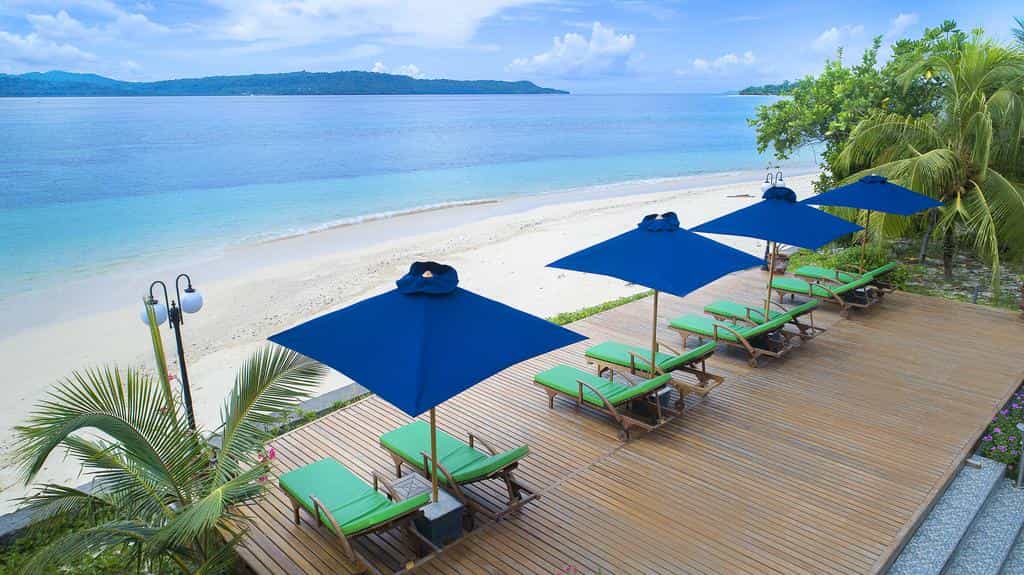
The Role of Technology and the Digital Nomad Movement
The integration of traveling as a lifestyle has been facilitated by the rapid evolution of technology. In the past, traveling required extensive planning through travel agents and physical maps. Today, the entire world is accessible via a smartphone. Applications for navigation, language translation, and accommodation have lowered the barrier to entry for international exploration.
Moreover, the post-pandemic era has ushered in the age of the "Digital Nomad." The widespread adoption of remote work has allowed individuals to untether themselves from geographical locations. According to MBO Partners, the number of American digital nomads increased by 131 percent between 2019 and 2023. This blurring of lines between work and leisure has made "lifestyle traveling" a sustainable reality rather than a temporary hiatus from professional responsibilities.
Strategic Framework for Adopting a Travel-Centric Lifestyle
Transitioning from a traditional lifestyle to one centered on travel requires more than just a passport; it necessitates a shift in mindset and a strategic approach to personal management. Industry experts and seasoned travelers suggest three primary pillars for those looking to successfully integrate travel into their long-term lifestyle.
1. Cultivating Psychological Fortitude and Financial Courage
The primary obstacle for most aspiring travelers is the psychological barrier of "readiness." Many individuals delay their journeys until they believe they have reached a specific financial threshold. However, the lifestyle travel philosophy advocates for "surviving with what you have." This does not imply recklessness, but rather the courage to start small and utilize the resources currently available.
Courage in this context also involves stepping out of the "safety zone" of a predictable routine. The decision to prioritize a trip over a new gadget or a luxury vehicle requires a firm commitment to the value of the experience. Experts suggest that once the first step is taken, the "survival instinct" kicks in, teaching the traveler how to manage budgets, navigate foreign environments, and solve problems in real-time—skills that are arguably more valuable in the modern job market than traditional academic credentials.
2. Embracing Fluidity and Local Integration
A common mistake among novice travelers is the attempt to over-engineer their itineraries. While planning is essential for safety and logistics, a rigid schedule often acts as a barrier to authentic experience. Lifestyle traveling emphasizes "following the flow" and adapting to local conditions.

By allowing for spontaneity, travelers can engage with "slow travel"—a movement that encourages staying in one place longer to understand its heartbeat, rather than rushing through a checklist of tourist landmarks. This approach fosters a deeper connection with local wisdom and traditions. When a traveler stops being a mere spectator and starts participating in the local way of life, they gain insights that no guidebook can provide. This flexibility is essential for minimizing stress and maximizing the "return on experience."
3. Developing Radical Adaptability
Adaptability is the cornerstone of the travel lifestyle. To travel frequently and meaningfully, one must be prepared to interact with diverse social structures, languages, and cultural norms. This "cultural intelligence" (CQ) is a critical byproduct of lifestyle traveling.
Adaptability also extends to physical and environmental conditions. Whether it is navigating the complexities of public transportation in a developing nation or adjusting to different culinary standards, the ability to remain composed under pressure is a hallmark of a seasoned traveler. This skill set translates directly into personal and professional life, creating individuals who are more resilient, empathetic, and capable of navigating the complexities of a globalized world.
The Socio-Psychological Impact and Identity Formation
Beyond the thrill of visiting new places, lifestyle traveling serves as a powerful tool for self-discovery. Psychologists have noted that removing oneself from a familiar environment forces an individual to confront their own biases, strengths, and weaknesses. In the absence of the social mirrors of home—friends, family, and job titles—travelers are forced to define themselves based on their actions and interactions in the present moment.
This process of "finding one’s true identity" is a significant driver for the millennial generation. In a world of digital curatedness, the raw, unfiltered nature of travel provides a sense of authenticity that is otherwise hard to find. The challenges faced on the road—be it a missed flight, a language barrier, or a cultural misunderstanding—serve as catalysts for personal growth.
Economic and Global Implications
The rise of lifestyle traveling has forced the global tourism industry to pivot. Countries that once focused solely on high-end luxury resorts are now developing infrastructure for "independent travelers" and "workationers." Governments in Southeast Asia, Southern Europe, and Latin America have introduced "Digital Nomad Visas" to attract this demographic, recognizing that they contribute to the local economy over longer periods compared to traditional short-term tourists.
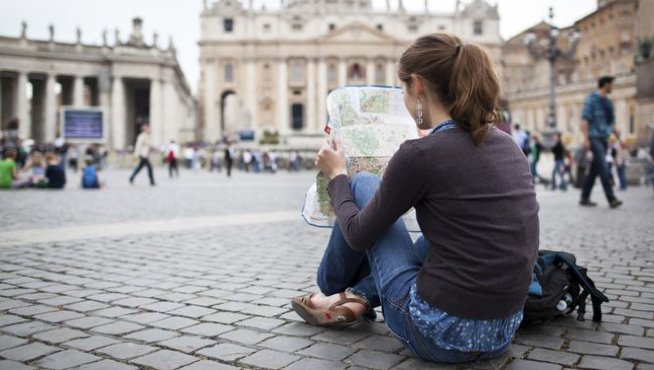
However, this shift also brings challenges, such as the risk of "over-tourism" and the gentrification of local neighborhoods. The travel lifestyle of the future must, therefore, be rooted in sustainability and ethical engagement. The modern traveler is increasingly conscious of their carbon footprint and their impact on local communities, leading to the rise of eco-tourism and "voluntourism."
Conclusion: A New Definition of Success
The evolution of traveling from a hobby to a lifestyle signifies a fundamental change in how humanity perceives time and value. For the current generation, the "Greatest Hits" of their lives will not be the list of assets they owned, but the map of places they explored and the diversity of people they encountered.
By strengthening their resolve, remaining flexible, and honing their ability to adapt, individuals can transform their lives into a continuous journey of learning. Traveling as a lifestyle offers a unique form of education that is both profound and practical. It builds a bridge between cultures, fosters global peace through understanding, and, most importantly, allows individuals to live a life that is "comfortable and without burden" because it is rich in memories and personal evolution. As the world continues to become more interconnected, the investment in experience will likely remain the most stable and rewarding asset one can possess.